
Lights, Camera, VFX
Unlocking the Secrets
of Special Effects
Special effects are fundamental to the film industry, bringing our favorite storylines, fantasy worlds, and characters to life through exciting visual mediums. Over the past hundred years, special effects have drastically evolved, seeing physical effects elevated with digital techniques that go hand in hand with technological advancements.
In this guide, we’ll explore the impact of special effects in media, delving into the effect these types of visuals have on society and the evolution of entertainment.
History of Special Effects and Its Impact on Media
Special effects have come a long way, with their impact on media continuing to grow in significance. When high-quality special effects are used, you can invoke specific emotions in your audience or even make them feel as though they are in the movie due to how realistic the results can be.
Of course, this advanced level of technology hasn’t always been the case, with 1857 being the first time special effects were used for Oscar Rejlander’s motion montage print. 1895 is regarded as the year of the first motion picture’s special effect, with Alfred Clark using stop motion to reenact the beheading of Mary, Queen of Scots.

As this sounds, this technique brought an incredible impact on motion picture and has been adopted by multiple filmmakers ever since. When filmmakers realized the way special effects can make audiences feel and how they can elevate their visions, media was changed forever.
How Special Effects Have Impacted Movies
Special effects have a longstanding history in the film industry, with filmmakers experimenting with techniques to create specific visual effects from the beginning of the screenplay industry. As entertainment was once solely made for live performance, special effects in these art forms transcended to the screen, with silent films being some of the first notable efforts.
Regarding silent films, everything about this category relied on strong visual representation as there was no sound.
Stop motion was a widespread technique in this period, in which objects and characters were moved one frame at a time between shots to create the effect of movement.
Techniques have come a long way since the silent films of the 1920s, allowing filmmakers to unleash all of their dream results.
The most pivotal advancements have mainly occurred in the last fifty years, with CGI becoming popular in the 1980s, leading to some of the most iconic creations, such as Star Wars.
Star Wars was released in 1977 and featured special effects ahead of their time and inspired a new, innovative approach to sci-fi creations and other genres. Practical effects such as miniatures and paintings joined forces with motion control cameras, establishing a new era for visual effects.
Of course, CGI has continued to develop since the 90s, with a vast host of creatures, from goblins to dragons to three-headed dogs in Harry Potter. Motion caption technology is a popular method for many modern creations, with Avatar using the technique to create otherworldly creatures.
Avatar used three camera types to create incredible results when shooting the film; CGI performance capture, live action, and hybrid shooting.
Motion capture uses a virtual system in which actors wear suits covered in markers that reflect infrared light to cameras, enabling animators to create characters with the data points provided, with real-life movement making these characters more lifelike than ever before.
Director James Cameron elevated the motion capture technique by equipping actors with headset cameras that captured facial expressions, again giving the avatars realistic expressions that defied CGI as we knew it. This added another layer to emotional performances, with actors able to seamlessly transfer their moving performances to the world of CGI.
Cameron used a virtual action camera to shoot scenes to see how performances were translating in the virtual realm he created, with the ability to shoot scenes from any angle with immediately rendered results. This innovative approach enabled Cameron to direct computer-generated scenes as the actors performed in real time, adjusting the swing camera to capture the best shots.
In addition to actors being involved in motion capture, physical objects such as miniature jets were also covered in markers to transform them into CGI. Again, this provided another level of creative freedom instead of generating the images from CGI alone.
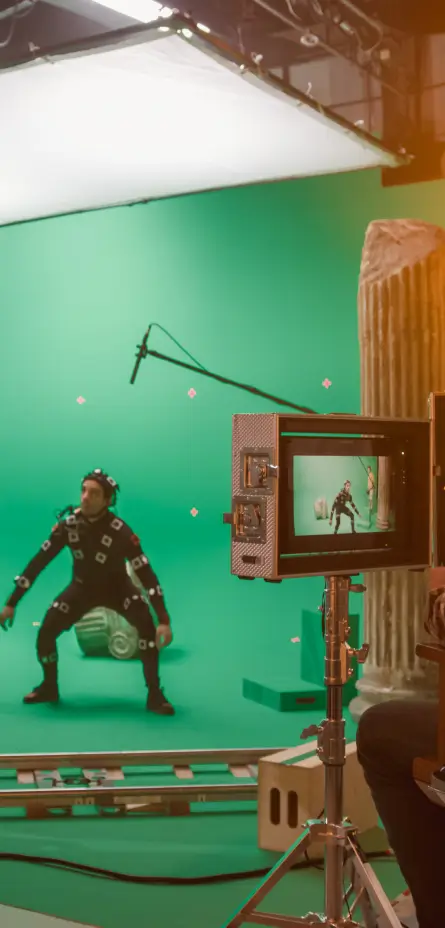
Avatar was released in 2009, and these incredible techniques have stood the test of time, inspiring creations of the last decade to continue experimenting with VFX and pushing the boundaries.
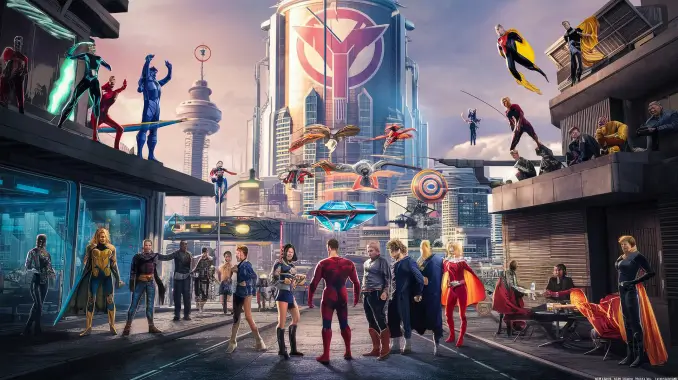
The Marvel Cinematic Universe is an example of VFX continuing to develop, with entire fight scenes integrated with CGI, blending astronomy, humans, aliens, and much more seamlessly for an unforgettable viewing experience.
Influential VFX Artists
The likes of Avatar wouldn’t be possible without many influential VFX artists paving the way for special effects. Let’s take a look at some of those names:

Willis O'Brien
‘King Kong’ brought fame to O’Brien, pioneering film.
Most known for the 1933 horror ‘King Kong’ O’Brien was a pioneering force in the film industry.
Stop-motion animation was one of the first visual effect techniques invented before animatronics and computer-generated animations became more popularized. O’Brien brought the stop-motion technique into the mainstream, using clay creatures and puppets to deliver cinematic masterpieces. By the time O’Brien worked on King Kong, he had impressed many important film producers with his craftsmanship, leading him to be employed as the special effects supervisor for King Kong.
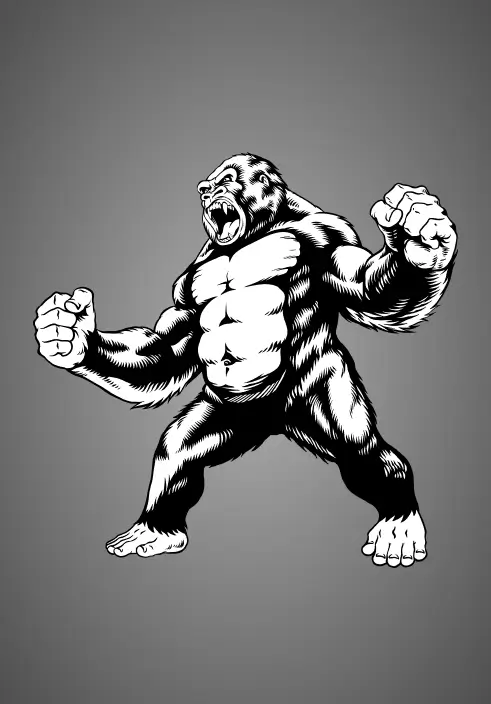
Kong was an 18-inch puppet designed from fur, metal, and rubber, and each movement was shot one frame at a time.
By no surprise, this was a pretty lengthy process, taking over a year to complete. O’Brien blended multiple filming techniques to deliver iconic results, from animations to matte painting, miniatures, and rear projection.
As Kong uses real-life actors, two processes blend the live-action footage with the stop-motion footage. The rear projection would project live-action footage onto a screen built into a mini set, projecting frames to match the animated sequences. The other process was called the dunning process, which combined two pieces of film simultaneously to create a more seamless combination of reality and fantasy.
Despite King Kong now being 90 years old, it’s still renowned as a work of art and a classic horror film, with O’Brien’s dedicated VFX work going down in history.

Ray Harryhausen
In 1992, his work recognized globally, as he received an Academy Award
Harryhausen was one of O’Brien’s proteges, taken under his wing at a young age to work on various projects. In his career, Ray worked on multiple iconic films, with some of his notable sequences being the likes of the skeletons fighting during “Jason and the Argonauts” and captivating creatures such as the Kraken and Medusa in “Clash of the Titans.”
Although Harryhausen used many of O’Brien’s innovative techniques when crafting visuals, he went on to create new strategies and expand upon the work of his predecessor. His innovation was named ‘Dynamation,’ seeing stop-motion filming of miniatures on a minimal painted set, a glass pan with blacked-out portions, and a screen projection to create the special effects. Reexposing the final footage would include live-action footage for the best result.
In 1992, Harryhausen’s contributions to the art of visual effects were recognized globally, as he received an Academy Award for technical achievement.

John Gaeta
Gaeta’s Matrix work stands among decades of acclaim.
We can’t jump to more recent VFX creations without speaking about John Gaeta, the talent behind The Matrix’s extraordinary visuals. One of his most iconic effects was ‘bullet time,’ which saw Keanu Reeves dodge hundreds of bullets in slow motion, keeping viewers on the edges of their seats.

Although his work on The Matrix is one of his most notable visual results, Gaeta has decades of highly-acclaimed work under his belt. His first big gig was on Star Trek V: The Final Frontier, which led him to join forces with pioneering visual effects artist Douglas Turnbull, working on various techniques which helped him flourish on future projects like Speed Racer and The Matrix.
Gatea continues to push the boundaries of special effects, working on exciting projects such as the virtual reality Star Wars.

Paul J. Franklin
Franklin bonded with Nolan, won 2 Oscars, making him successful visual effects artists..
Another visual effects artist responsible for some more recent contributions to the world of VFX is Paul J. Franklin, with notable blockbusters such as Captain America: Civil War, Venom, The DaVinci Code, Harry Potter and the Order of the Phoenix and Harry Potter and the Half-Blood Prince.
Franklin was in charge of visual effects artists who worked on remarkable blockbusters like…
His journey into visual effects started when Franklin became a videotape editor, leading to a passion for animation and computer graphics. Initially, he worked as a computer artist specializing in video games, going on to found Double Negative in 1998. The company has significantly succeeded, working on Dune, Dunkirk, and Inception.

Through working on specific films, Franklin struck a bond with filmmaker Christopher Nolan, in which the pair have collaborated on several films. This work led Franklin to win two Oscars for Interstellar and Inception, making him one of modern film’s most successful visual effects artists.
What are
Special Effects?
While we all have a vague understanding of special effects, there’s a high chance you associate VFX with the incredible visual effects you see in your favorite films, from Lord of The Rings to Avatar, offering some of the most mind-blowing sights. But how are special effects defined?
Special effects are visual elements in media created by technologies and specific techniques. There are various types of special effects, which are categorized as practical or digital.
Practical
Special Effects
With practical special effects, physical objects such as animatronics, makeup, prosthetics, and pyrotechnics are used to create visual illusions. Practical techniques have been used since the beginning of entertainment, with filmmakers experimenting with makeup and prosthetics to portray emotions.
animatronics, makeup, prosthetics, and pyrotechnics are used to create visual illusions.
On the other hand, physical objects have been made to disappear and explode with pyrotechnics since the start of theater. While digital special effects are more commonly used in film, there is no denying that practical special effects are essential in live performance and can help bring movies to life.
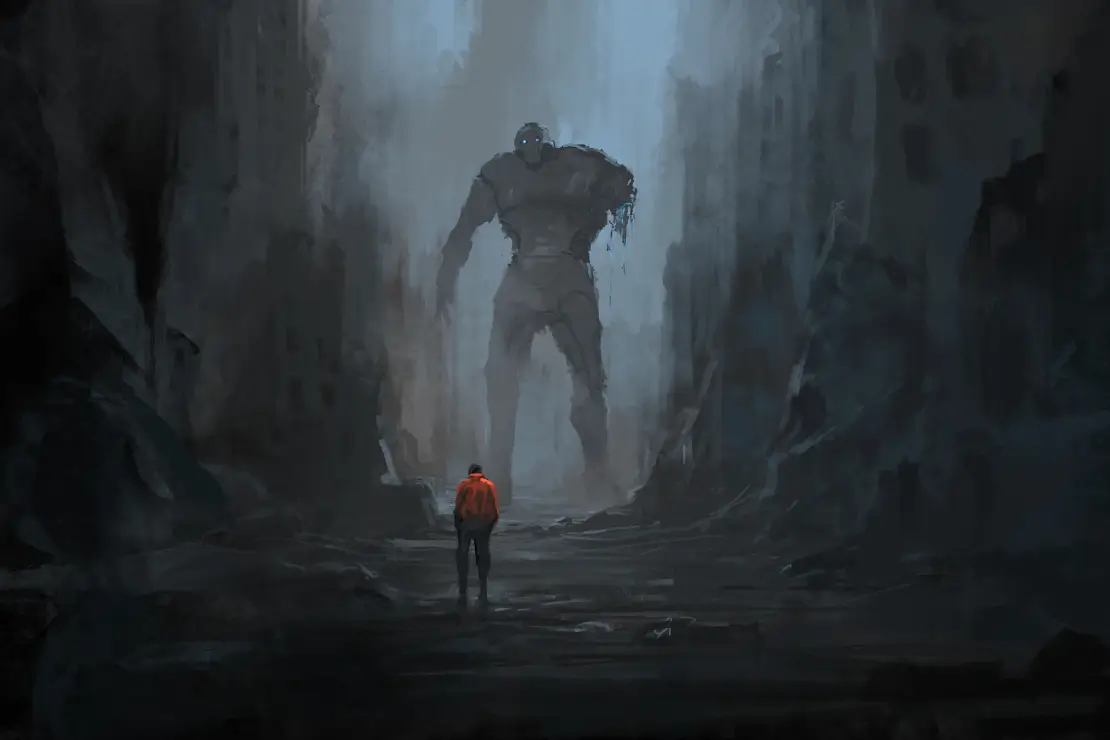
While the advancements in digital VFX can come across as more realistic than certain types of practical special effects, there’s a level of realism that practical effects can bring to a scene, especially with explosions, vehicles, and creatures. From an actor’s perspective, having the physical, tangible object on set can make getting into character much more straightforward than working with green screens.
Christopher Nolan is a huge advocate for using practical effects, with Inception and Dunkirk providing excellent examples of moving sets, stunts, and miniature models being some of modern cinema’s best practical special effects. With directing giants such as Nolan using practical effects, the film industry is provided with valuable insight into how there is still a place for practical effects in cinema and how impactful they can be.
The main downside to practical effects is how time-consuming they can be to create, with prosthetics taking hours to produce. Additionally, less control and flexibility are provided with practical effects, meaning there’s more pressure to get things right the first time.
However, as practical effects provide such unique aesthetics and add realism, they are still popular.
Digital
Special Effects
Digital special effects,
also known as VFX
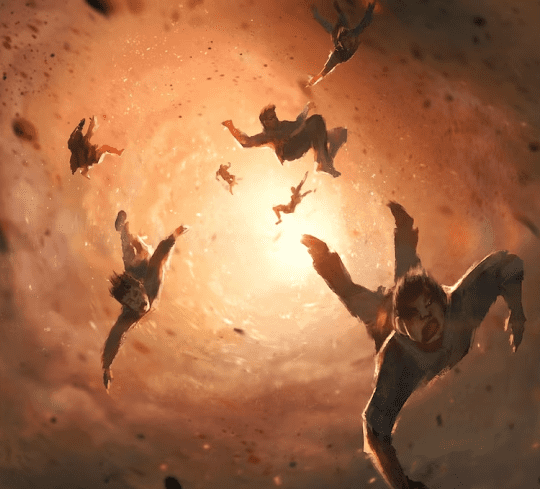
Digital special effects, also known as VFX, are created with computer-generated imagery, green screens, digital compositing, and motion caption technology. Modern filmmaking uses VFX as it is the most technologically advanced medium for creating a visual impact in live-action footage in a way that can’t be achieved with practical effects.
Visual effects truly know no bounds, allowing filmmakers to enhance imagery and create incredible simulations that blow viewers away. From nature to physics to otherworldly creatures, visual effects can produce enchanting results that make unique storytelling possible.
nature
visual effects

Most popular films in the last few decades use VFX to intrigue viewers and shock critics. Memorable mentions regarding VFX go to Avatar, Harry Potter, Dune and the Marvel franchise, with visual effects that transport you to another universe.
The main issue with VFX is that it can be costly, making it challenging for upcoming filmmakers to stand a chance against Hollywood giants that have the necessary technology on hand. When VFX is poorly executed, it can detract from excellent script writing, so filmmakers must take time to deliver high-quality effects that do their writing and cast justice.

Notable VFX
Examples
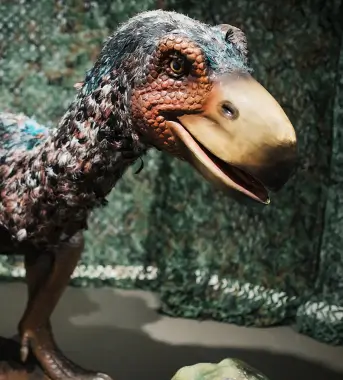
With thousands of movies and TV shows released yearly and VFX constantly evolving, many special effect contributions showcase current and past techniques in all of their glory. Global revenue for the special effects industry continues to grow annually, with an estimated 9884.95 million USD generated in 2022.
9884.95 million USD
generated in 2022.
Let’s look at some notable VFX examples from the past century, noting how special effects have evolved and impacted the cinematic experience.
Jurassic Park
The 1993 classic blew minds with its innovative approach to CGI, exploring techniques in a realistic way that brought ancient creatures to life like never seen before. Jurassic Park’s CGI is one of the reasons the film has remained iconic and proved to filmmakers and directors worldwide that CGI could invoke feelings of fear in the audience, even if the creatures are extinct!

Dennis Muren
Dennis Muren was one of the masterminds behind the CG animals, going on to win an Oscar for his incredible work on the film. To produce such impactful results, Muren had two systems: CG and stop motion. The systems worked seamlessly to create natural results, pushing boundaries as working on real animals was a new step for animators.
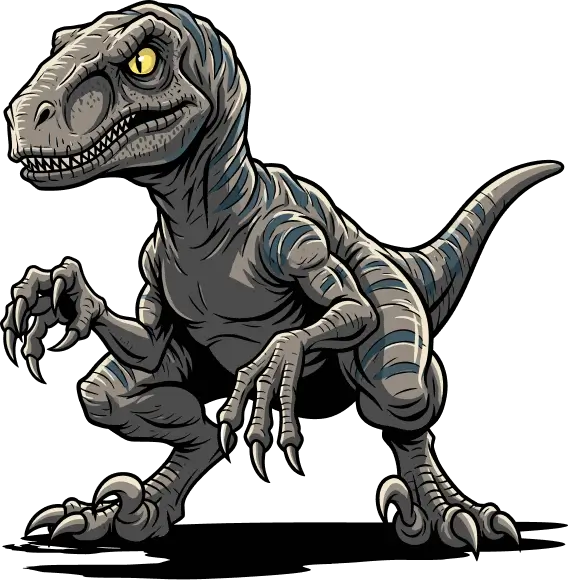
Close-ups were usually of puppets made by Stan Winston, with CG used for full-length shots and far-away sequences. However, as filming progressed, Muren got closer shots, with his confidence growing due to the rotunda sequence.
Terminator 2: Judgement Day
Another creation courtesy of Dennis Muren is Terminator 2: Judgement Day, released two years before Jurassic Park. One of this film’s most significant CG elements was the T-1000, the liquid metal cyborg. To create such an impactful effect, Murren used reflection maps to anchor the frame, which came with multiple difficulties. Speaking on the process, Murin said:
“We had background plates, and that environment needed to reflect in the character. The distortions had to remain consistent without creating big tears in the maps.”
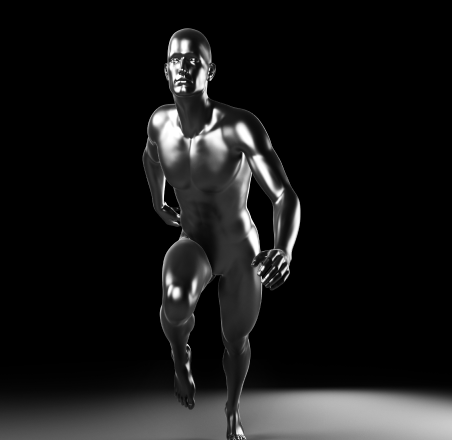
Terminator 2 was ahead of its time in many ways, using an effects process that was entirely digital, consisting of digital recording, digital manipulation, and digital results. To produce this result, Muren used scanners, film recorders, and Photoshop to paint frames and render forms, such as Robert Patrick’s animated liquid form.
The innovative process set the tone for the rest of the 90s, making way for creations such as Jurassic Park.
Dawn of the
Planet of the Apes
Projecting us into the 2010s was Weta Digital’s CG work, bringing to life the story of a battle of survival for evolved apes. The 2011 creation saw CG creatures take center stage, with human actors seamlessly interacting with the computer-generated characters for a beautifully blended, realistic result.
Similarly to Avatar, merging real-life actors with CG enables special effects to strike a more emotional impact, giving CG characters a more believable depth.
This technique ensures CG has a more significant role in future creations, helping directors to convey complex emotions through inventive characters.
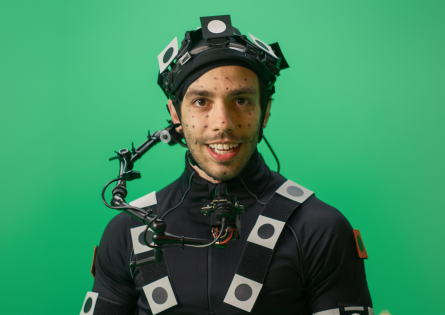
Motion capture was used for the real-life footage portrayed by the cast, with actors such as Andy Serkis delivering striking performances. The motion capture footage was primarily shot on location, with technology taken up mountains despite adverse weather conditions. Although this presented a struggle at times, it resulted in authentic performances and footage.
Another struggle on set was that actors needed to actively consider how evolved apes would fight, which meant director Matt Reeves had to adapt to the actors’ workflow and film them in a virtual space. After the footage was taken, camera angles and beats were determined using virtual cameras.

Interstellar
This creation by Christopher Nolan and Double Negative is one of the most mind-bending VFX results, inviting audiences to enjoy sights of accurate black holes, alien worlds, and a four-dimensional space with time as a physical dimension, also known as the Tesseract. Even the sound of these settings sounds complicated, and producing such innovative results requires patience and knowledge.
This VFX effort needed to be mathematically driven, so the project enlisted the help of theoretical physicist Kip Thorne to ensure the space-like creations, such as the black holes, were as realistic as possible with accurate dimensions.
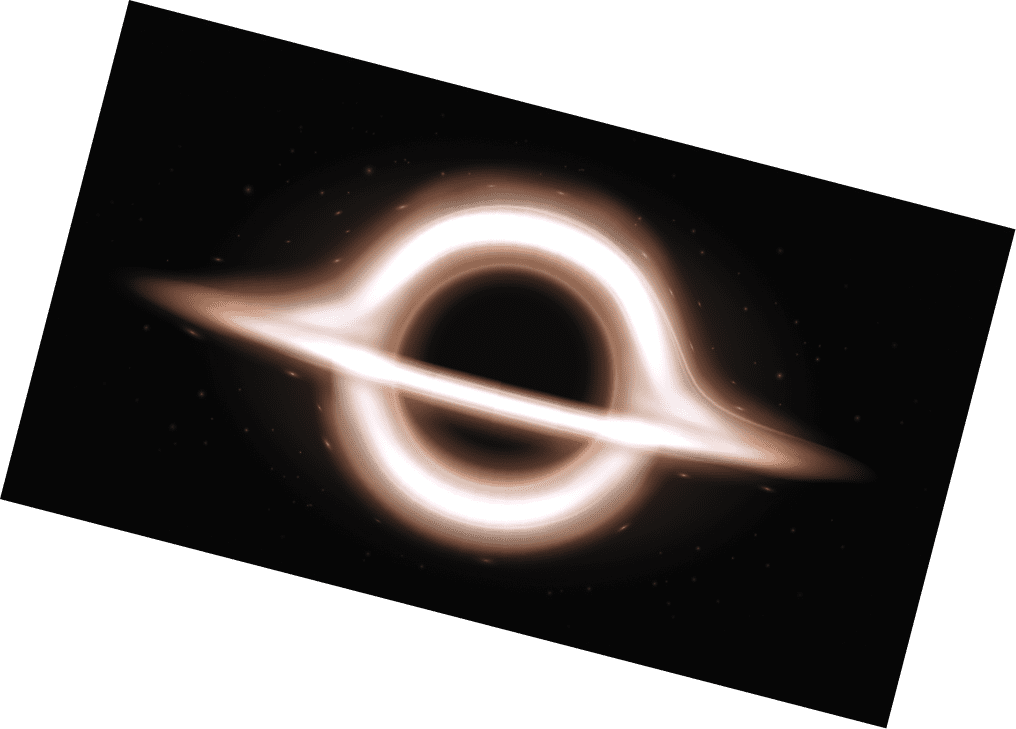
The Gargantua black hole is one of the film’s most iconic moments, with its realistic depiction featuring accurate lighting backed by math and science. Kip Thorne handled the equations, whereas Double Negative’s Oliver James used his knowledge obtained from being a chief scientist to produce a new renderer based on physics called Double Negative General Relativity.
The renderer ensured artists could produce accurate images of the hole and its gravitational lens by setting three key parameters: mass, rate of spin, and diameter. This scientific approach was an artistic revelation but has gone on to be well-regarded for its contribution to science, with schools showing the film in lessons as a learning resource for general relativity.
Speaking to BBC News, Christopher Nolan shared his feelings on how the film has been received since its release:
“We hoped that by dramatizing science and making it… entertaining for kids, we might inspire some of the astronauts of tomorrow.”
Careers in VFX
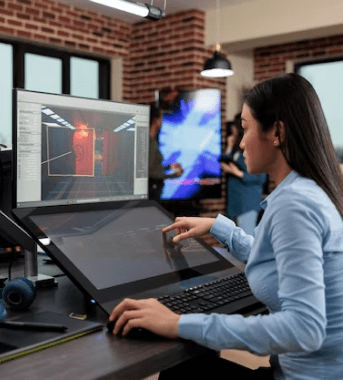
A career in VFX is a dream for many, and with media constantly evolving with more advanced special effects techniques, many job opportunities can be pursued in this field. If you’re considering getting into this exciting industry, read on as we cover what you’ll need to do to reach your goal.
Education
While a handful of the most influential and notable VFX artists didn’t study special effects at college or university, pursuing relevant studies is beneficial, especially as the industry expands.
Many schools in America offer VFX courses and programs, with the Gnomon School of Visual Effects in California and Savannah College of Art and Design in Georgia being two of the highest-ranking options.
schools & courses for VFX
Savannah
College of Art
and Design

Gnomon offers
WIA Scholarship Program
Gnomon offers a range of educational paths to ensure students can reach their goals, whether they’d like to pursue a full-time undergraduate bachelor’s degree covering 3D special effects or receive a certificate in digital production. Of course, not everyone can commit to a full-time course, but this shouldn’t stop you from following your dreams! And, as Gnomon provides 10-week training courses available both online and in person, extending your skillset is easier than ever.
There are also multiple scholarship opportunities, such as the WIA Scholarship Program, which is devoted to supporting women and those of underrepresented gender identities to pursue animation artistic endeavors.
Career Paths
Acquiring VFX skills enables you to go down various career paths, as the vast level of knowledge you need to learn covers multiple sides of the industry, giving you the tools to succeed in different roles. It’s common for VFX artists to have a specialty or narrow their focus down to aim for specific roles, but here are some common career paths VFX artists pursue:
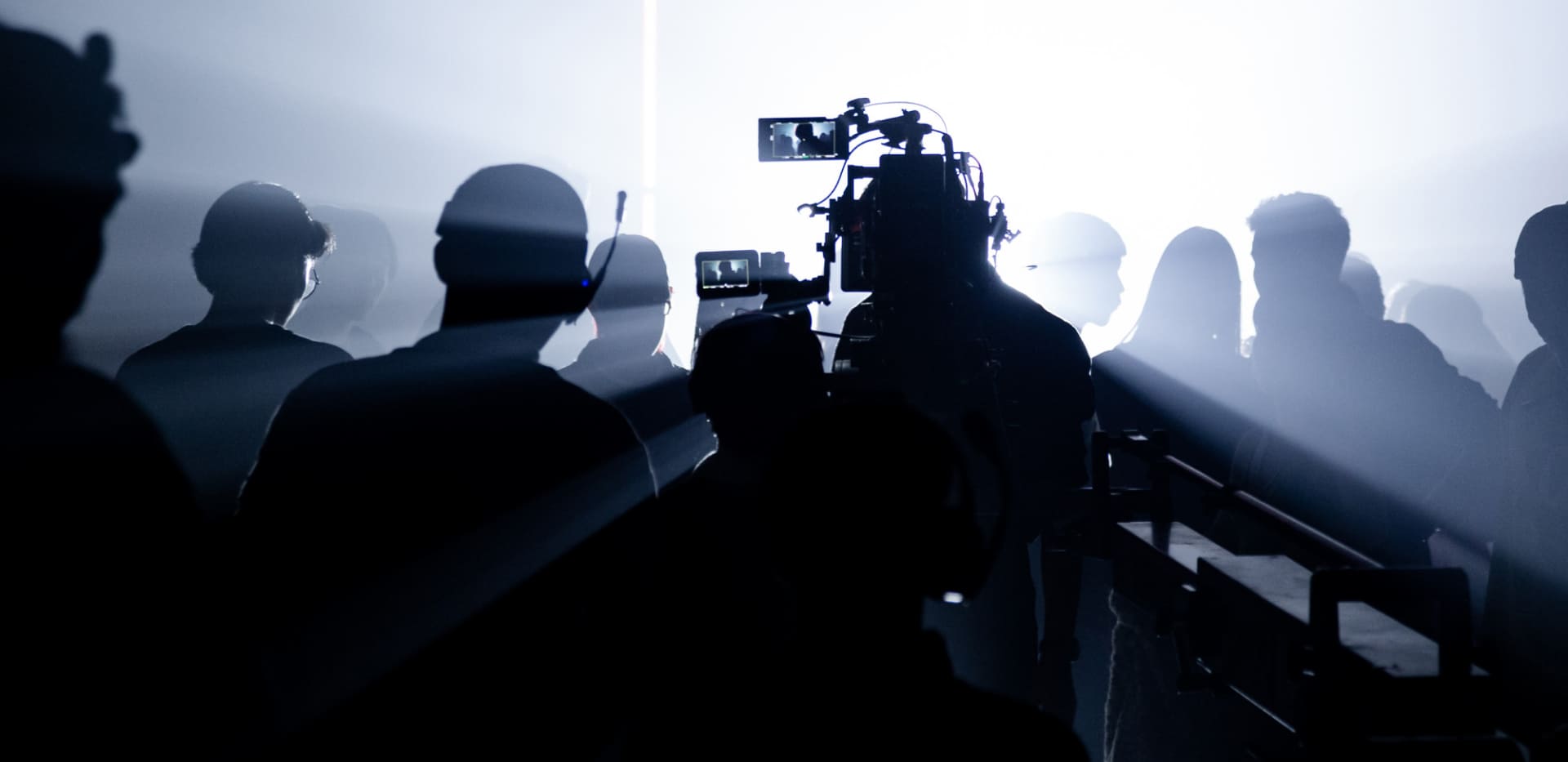
Production
Management:
Working your way up in this industry will generally start with an entry-level role like a runner, eventually obtaining skills that enable you to supervise and coordinate departments. Other production management roles include VFX editors and VFX production coordinators.

Pre-Production
Department:
Those specializing in this element of VFX will draw up drafts and rough visual ideas to determine what tools will be needed before producing finalized VFX copies. Roles include concept artists and previous artists.
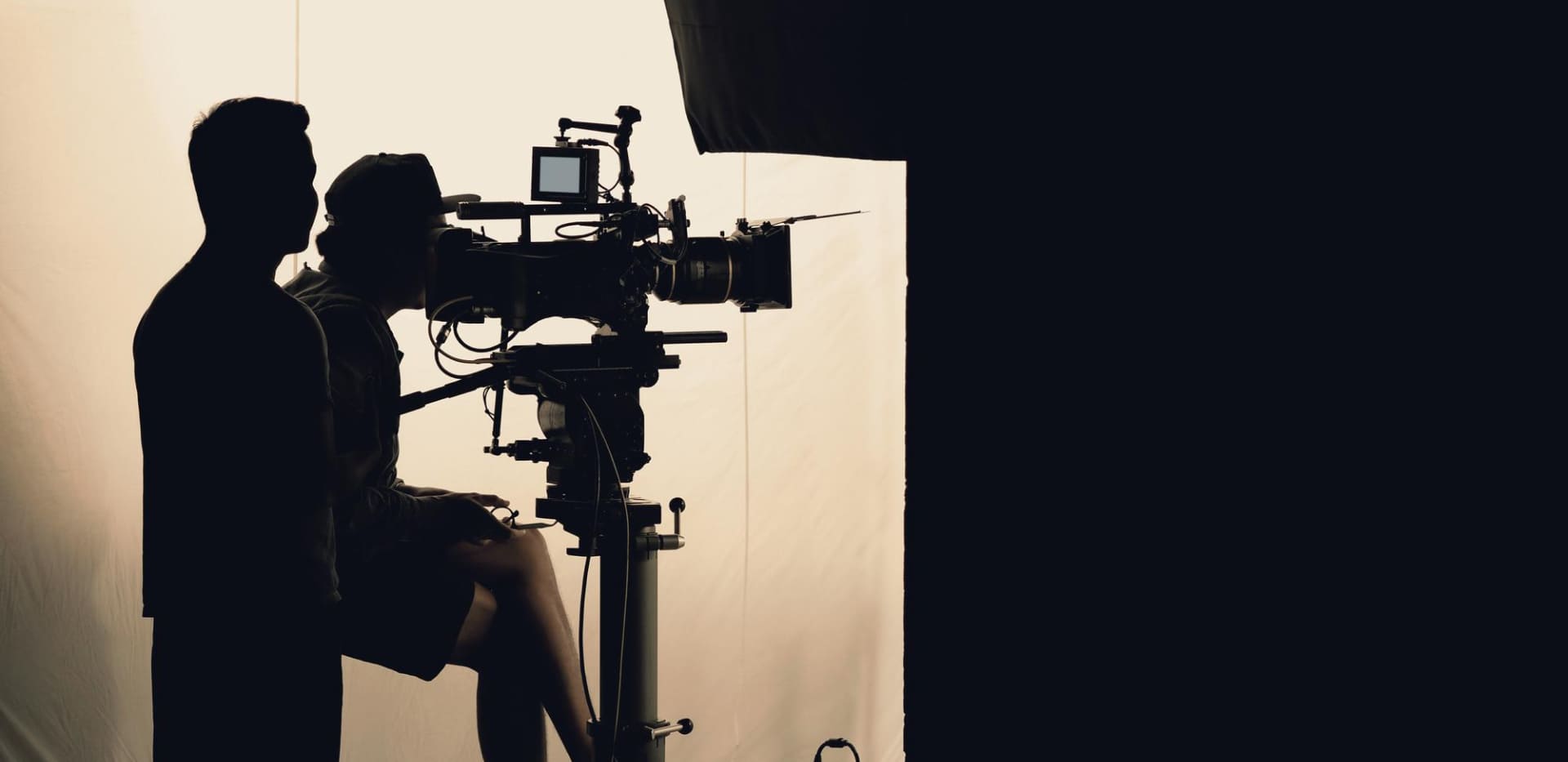
On Set
Department:
At this stage, liaising between film teams and VFX artists is a primary component, with data capture technicians and VFX supervisors being essential roles.

Computer-generated
Department:
This stage includes many entry roles, such as modeling artists, match move artists, environment artists, and layout artists, that help to bring VFX characters to life. The driving force behind this department are animators, lighting artists, and CG supervisors.
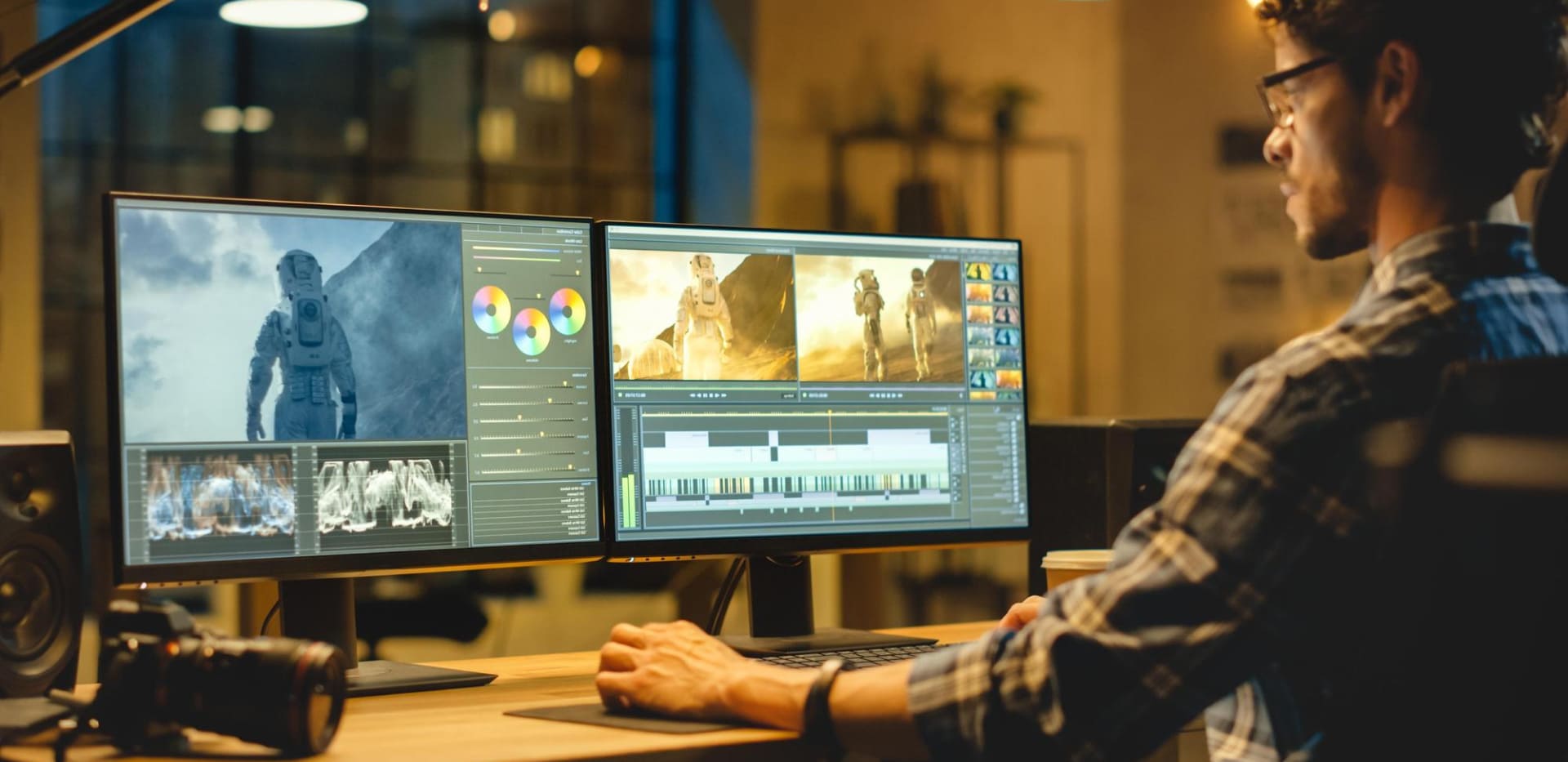
Technical
Department:
The technical department prioritizes creating efficient software tools for artists to produce exceptional results. Roles in this department include creature technical directors, software developers, pipeline technical directors, VFX technical directors, and entry-level assistant technical directors.
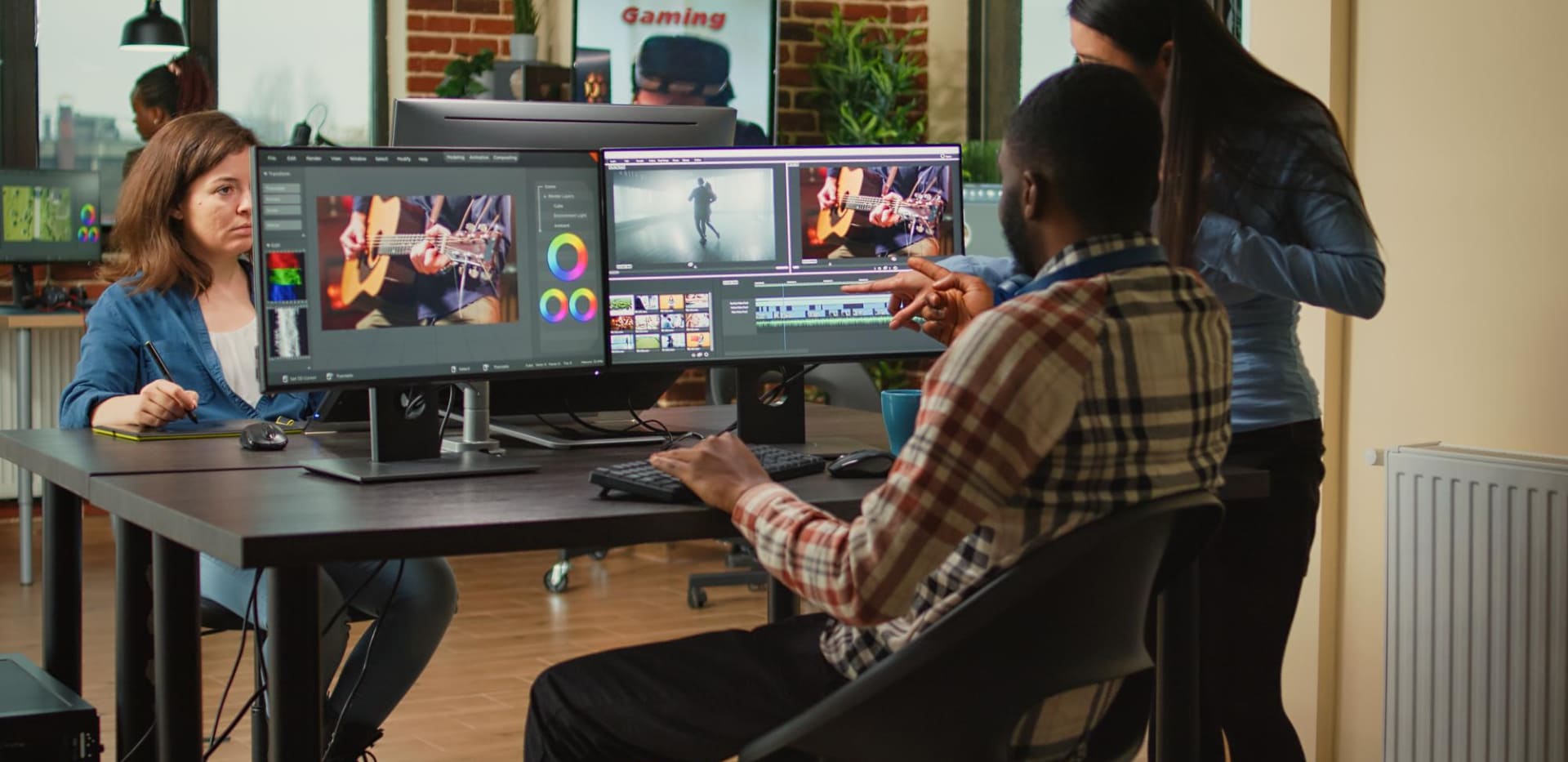
Compositing
Department:
This area helps merge live-action and CG footage for a seamless end result. Roles include compositors, compositing supervisors, prep artists, and roto artists.
Top VFX Companies
The great thing about aiming to work in the VFX industry is that there are hundreds of credible companies you can work for, whether you opt for a smaller company or set your sights on one of the VFX giants. Let’s consider a couple of options where VFX artists can work:
Double Negative
Founded by one of the innovators we covered earlier in our guide, Paul J. Franklin, DNEG is a driving force of VFX. With an open eye for talent and openings across each studio location, many aspiring artists dream of working for the company behind Dune and Stranger Things.

Industrial Light & Magic
With some of the best VFX projects of recent years, such as Black Panther: Wakanda Forever and The Lord of the Rings: The Rings of Power, Industrial Light & Magic is an industry leader in visual effects. Working on a worldwide scale with six studios across cities such as London, Sydney, and San Francisco, there are many exciting job opportunities along with the Jedi Academy Training Program.
The Future of Special Effects
While looking back on the history of special effects makes our current media selection more impressive than ever, looking to the future is perhaps the most exciting. With technological advancements happening more frequently than ever, filmmakers have the chance to experiment and create more impactful results.
Motion capture technology ensures filmmakers can capture actors’ performances in detail, enabling CG and real-life footage to blend in the most believably seamless way.
As we move toward the future, it’s important to remember that old-school techniques and practical effects will still be prevalent, with new techniques and CGI continuing to elevate them for the best viewing experience. The latest technology ensures filmmakers can produce results that were once deemed impossible, consistently breaking the boundaries of media and bringing even the most imaginative visions to life.
What are special effects in film?
Special effects in film are techniques and technologies used to create visual or audiovisual illusions. These effects enhance storytelling, add realism or elements of fantasy, and can range from makeup and prosthetics to CGI. Other techniques include miniatures, animatronics, and pyrotechnics. Special effects are crucial in the film industry, pushing creative boundaries and bringing visions to life on screen.
What are the differences between special effects and visual effects?
Special effects and visual effects are different techniques in film and television. Special effects are created on set using physical elements like explosions and prosthetics. Skilled technicians make these effects happen in real time. Visual effects use CGI and digital technology. They are added in post-production and can include creating creatures or altering footage. Special effects create physical illusions, while visual effects use digital manipulation. Both techniques bring the director’s vision to life but use different tools and methods.
What are the main types of special effects?
Special effects in film and television can be divided into three categories: practical effects, visual effects, and digital effects. Practical effects involve physical manipulation on set, such as explosions or prosthetics. Visual effects use CGI to manipulate images or footage in post-production. Digital effects blend real and digital elements, like green screen technology or motion capture. Each type of effect requires different skills and technology, and they are combined to create the desired visual impact in productions.
Why are special effects important?
Special effects are important because they enhance the overall visual experience of a film or television show. They can bring to life fantastical worlds, create realistic explosions or supernatural creatures, and make scenes more visually stunning. Special effects can also help to tell a story more effectively by creating a sense of awe, suspense, or excitement. They allow filmmakers to push the boundaries of what is possible on screen and transport audiences to new and imaginative worlds. Without special effects, many iconic movies and memorable scenes would not have been possible, and the entertainment industry would be much less captivating.
When were special effects first used in media?
Special effects were first used in media in the late 19th century. The earliest special effects were practical effects, such as miniatures and matte paintings, in silent films. However, in the 20th century, special effects truly began to evolve and become more sophisticated. The introduction of sound in films allowed for the integration of audiovisual effects, and advancements in technology, such as the invention of the green screen and the development of computer-generated imagery (CGI), further expanded the possibilities of special effects in media. Today, special effects play a crucial role in enhancing storytelling and creating immersive visual experiences in various forms of media, including films, television shows, and video games.
How have special effects evolved?
Special effects have improved due to technology and CGI. In the past, practical techniques like miniatures and stop-motion animation were used. Now, computers allow for more realistic and complex effects. CGI can create creatures, landscapes, and battle scenes that are practically impossible. Motion capture technology has also improved actor performances in digital environments. Each year, special effects push visual boundaries and create immersive cinematic experiences.
What is CGI, and how is it used in special effects?
CGI is short for Computer Generated Imagery. It is a technology used in special effects for movies, TV shows, and video games. CGI allows filmmakers to create realistic and fantastical scenes that traditional methods can’t achieve. It involves computer graphics software to generate 3D models, textures, and animations that blend with live-action footage. CGI creates effects like realistic creatures, natural phenomena, and immersive environments. It has revolutionized the film industry and is now a crucial part of modern filmmaking.
What education or skills are needed to work in special effects?
You need a strong education and specific skills to work in special effects. A bachelor’s degree in visual effects or computer animation is often required. You must also know software like Adobe After Effects, Maya, and Nuke. Creativity, attention to detail, problem-solving, and understanding of cinematography are important. Continuous learning is necessary to keep up with technology.
What are some of the challenges in creating special effects?
Creating special effects is challenging. It requires technical expertise and resources. Complex software and equipment are often necessary. Skilled professionals are needed to operate them effectively. Special effects must be carefully planned and coordinated with other aspects of filmmaking. This ensures a seamless integration into the final product. Budget constraints can be a challenge. High-quality special effects can be expensive. Advancements in technology require artists to update their skills. They must stay up-to-date with the latest tools and techniques. Creating special effects is challenging due to technical expertise, resource management, coordination, and adapting to evolving technologies.
What are some notable examples of special effects in media?
Some notable examples of special effects in media include the groundbreaking visual effects in movies such as “Jurassic Park,” which brought dinosaurs to life on the big screen using a combination of animatronics and computer-generated imagery. Another notable example is the “Matrix” trilogy, which introduced the bullet time effect, where the action appears frozen while the camera moves around it. The “Star Wars” franchise is known for its innovative use of special effects, particularly in creating realistic and detailed space battles. These examples showcase the incredible advancements in technology and creativity that have allowed filmmakers to create stunning and immersive visual experiences for audiences.