

The first ever sci-fi film

Made in 1902 /
Did you know that the first ever sci-fi film, ‘Le Voyage dans la Lune’ (‘A Trip to the Moon’) by Georges Méliès, was made in 1902? That’s over 120 years ago! Since then, we have seen the genre of sci-fi take remarkably mind-bending twists and turns, with plots gaining more substance as we advance our astronomical knowledge of space.
The relationship between film and science has been
A longstanding affair.
As an art form, cinematography engages with practically every aspect relating to the complexity of space and astronomy, including physics, chemistry, philosophy, physiology, and even the psychological impact of comprehending our universe.
Each of these facets simultaneously combines to form the backbone of sci-fi, influencing this genre’s narratives, aesthetics, and impact on us as an audience. As our scientific knowledge of space progresses, the category of sci-fi will continue to transform and develop, ultimately affecting our societal perceptions of the universe.

An Intergalactic Voyage
Make sure you are sitting comfy, because we are going to take you on an intergalactic voyage to unveil how space exploration has impacted the media, showcase famous astronauts and astronomers, and break down some of the best movies and TV shows for kids and grown-ups which are truly out of this world!
A History of Astronomy and
Its Impact on Media
According to historians, astronomy is the oldest natural science we have, which dates back to ancient civilization.
Our studies of the stars have influenced us well before we had any formal medium of media, and have shaped our religious, mythological, and calendrical practices and beliefs for centuries.
From Town Criers to Pamphlets, Pamphlets to Newspapers, Newspapers to Radio, and so on
As the media became more established, progressing (from town criers to pamphlets, pamphlets to newspapers, newspapers to radio, and so on), it formed a tighter entanglement with astronomy, creating a topical subject that has continuously attracted curious minds and inspired our film and television.
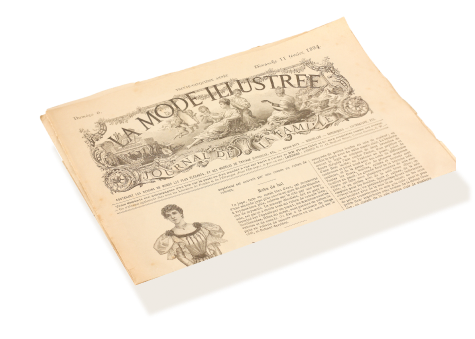
To illustrate the fundamental impact that space exploration has had, and continues to have, on our media, we are going to identify how the world’s scientific breakthroughs have impacted our big screens, as well as look into how movies have influenced our perceptions of astronomy.


How
Space Exploration
Impacted Movies and TV

While the concept and theory of space has influenced film and television for many years prior to space exploration, sci-fi became significantly more prominent throughout the media once the Soviet Union and USA began their race to the moon.
Space Age
1956 – 1969
This pivotal era of political, scientific and technological progression is known as the ‘Space Age’, and took place between 1956 and 1969. So, how did it start?
October 4th, 1957
Sputnik 1
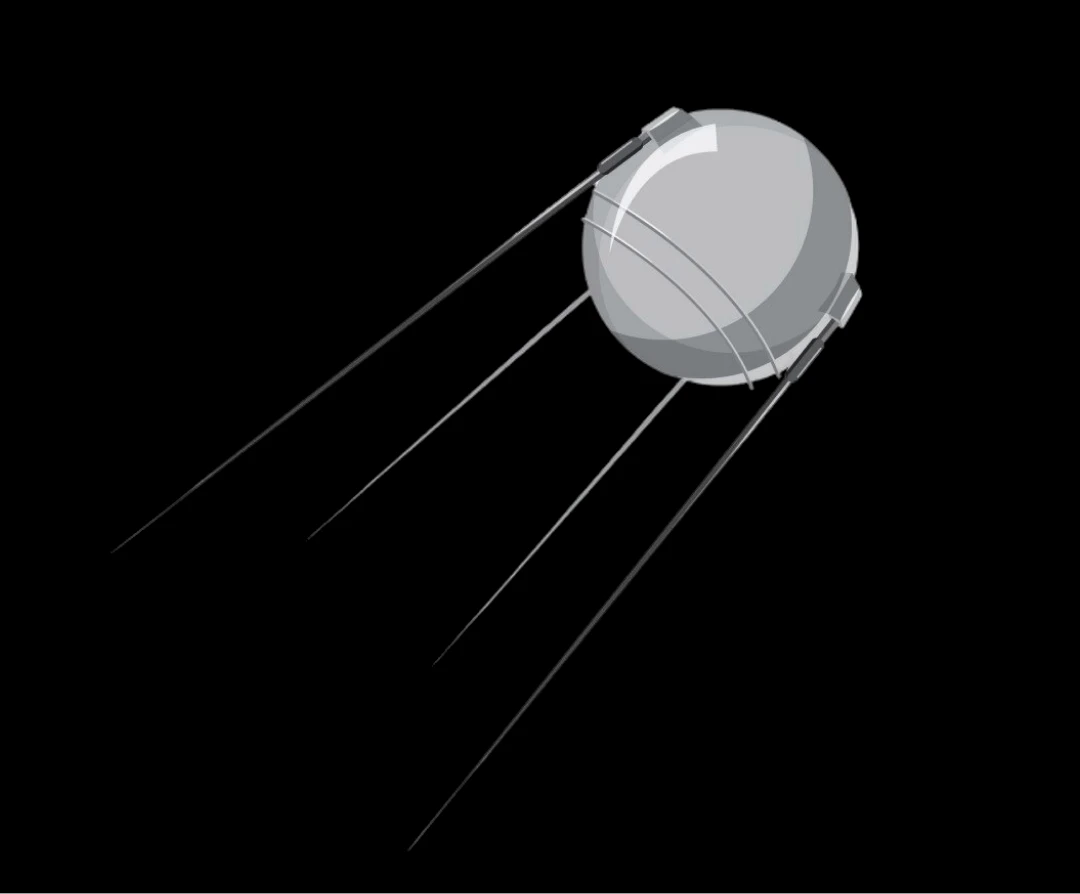
On October 4th, 1957, the Soviet Union launched the first ever artificial satellite, Sputnik 1, into space. This initiated the ‘Space Race’ between America and Russia, that had the entire world watching.
Neil Armstrong
the first man to land on the moon
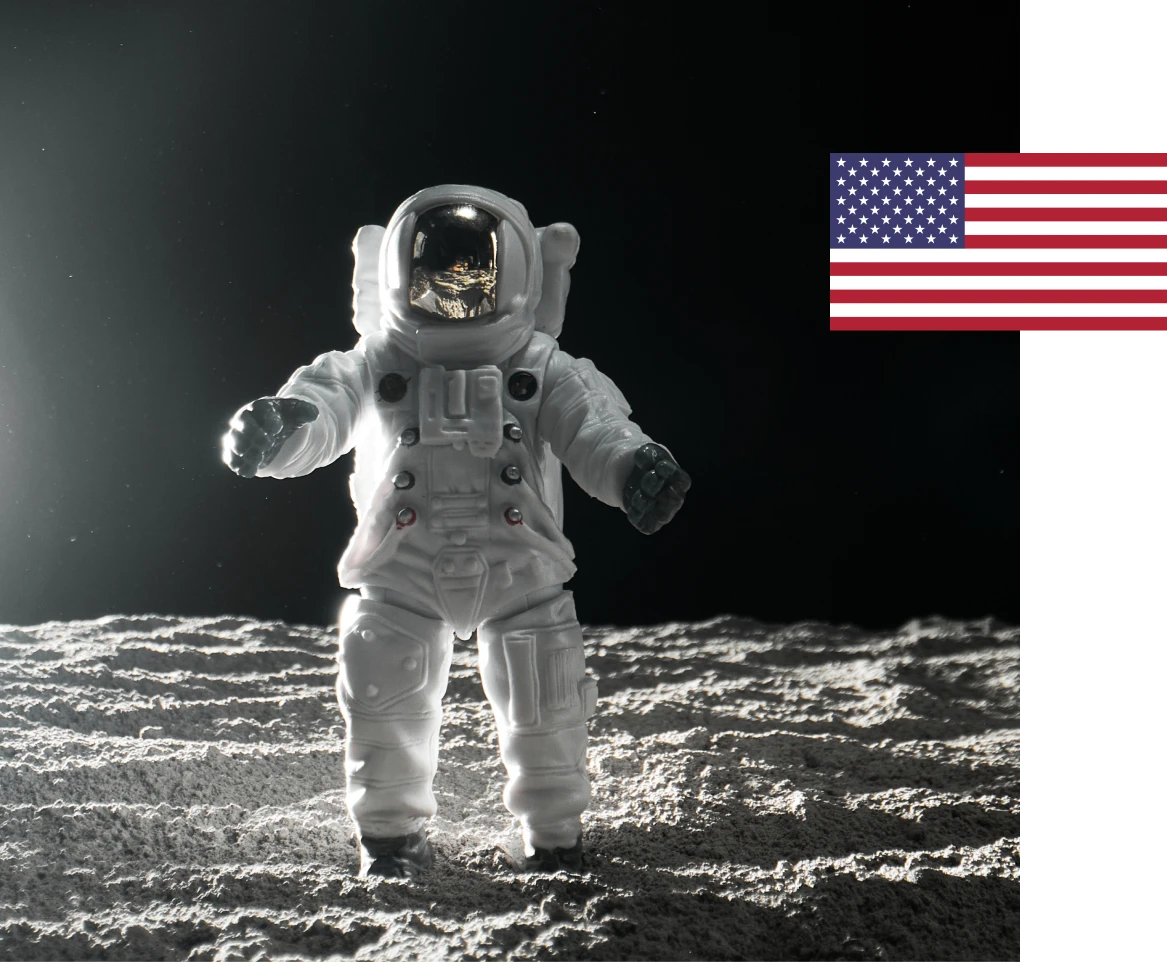
While the Soviets were the first to send a satellite into the Earth’s orbit, the US ultimately won the race on July 20th, 1969, with NASA astronaut, Neil Armstrong, being the first man to land on the moon. This thirteen year era was the pinnacle of space obsession, which sent film, television, and literature into a perpetual fascination of the great expanse.
The space age created an entirely new set of aesthetics (including costume design, set design, props, etc), character forms (such as aliens, scientists, and monsters) and narratives which were fixated upon the extraterrestrial realm.
In some part, many filmmakers were cashing in on the space craze as they knew their films would sell, while other filmmakers took a more expressive route, creating films as a way of channeling their own fascination of space.
Aside from the scientific side of the Space Race, this time also put a spotlight on many political and social issues, because of the ongoing tension between the Soviet Union and America, which facilitated the cold war.
Invasion of the Bodysnatchers
BY Don Siegel
The first ‘Invasion of the Bodysnatchers’ film, directed by Don Siegel, is a prime example of how sci-fi was used to metaphorically communicate societal concerns, as it features political allegory that supposedly represents the spread of communism and governmental spies.
The plot of this film represents the moral panic which was sparked amongst American citizens after the Soviet Union launched their satellite into space, as they feared the Russians would begin spying on them and infiltrate their government. This example of sci-fi and political fusion is one of many which became the frontier of film between the 1950s and 1960s.

As we progressed into modern day, sci-fi films and TV became more scientifically and philosophically complex, making us question our existential existence.
For instance, one of the most celebrated modern sci-fi films to date, ‘Interstellar’, focuses on various areas of real astronomical research, making the film’s depiction of technology, time, wormholes, and black holes incredibly accurate.
Aside from the technical aspect of space exploration, film and TV has also been hugely impacted by both society’s and scientists’ curiosity of life throughout the intergalactic abyss, more specifically, unearthly beings.
With Area 51, UFOs, and life on mars being a significant focal point among society over the last few decades, thousands of alien conceptualizations have surfaced, becoming a predominant element which has characterized a synergy between sci-fi and horror.
It’s also worth mentioning that an increasing number of space missions, such as Apollo 13, further inspired filmmakers and producers to create narratives which incorporate space exploration and formidable alien encounters.
Academy Award winner
Alien
Academy Award winner, ‘Alien’, is an exceptional example of how our fear of extra-terrestrial beings has become an entire film category. Set on a dark and dingy space station which has become infested with the eggs of a life-threatening organism, this film embodies practically every angle of your classic ‘scary’ alien.
On the flip-side, films such as the family-friendly classic, ‘E.T. The Extra-Terrestrial’, are a sweeter example of how we may encounter a space-traveling creature.
This film diverts from the popular fear-factor of aliens and instead addresses how we may come to love an otherworldly visitor. While this film is light-hearted, it addresses the theme of governmental ethics, and how we may be more of a threat to aliens than they are to us.
As you can see, there are an infinite amount of examples which demonstrate how space exploration and research has impacted, and continues to impact, cinematography. After so many years of sci-fi films and TV, there’s no denying that this mind-bending genre has manipulated our perceptions of space.
How
Movies and TV Impact Our
Perception of Astronomy
Over the years, numerous sociological and psychological studies have showed that films and television have a direct effect on society’s perspective of reality, with the power to facilitate unrealistic perceptions and expectations. There are several examples of how sci-fi has and continues to transfigure our understandings and views.
During the cold war, movies and television revolving around space frequently depicted themes of a frightful, political nature, further inducing fear among American civilization.
District 9
Today, many sci-fi films remain within the subcategory of horror and implicate current social and political issues, such as ‘District 9’, which depicts a dystopian future where aliens are discriminated against and severely oppressed, signifying the apartheid in South Africa.

Because sci-fi usually resembles controversial themes, it is reasonable to assume that such media is altering and influencing our perceptions of society, but what about astronomy?
As highlighted earlier, space exploration is commonly portrayed as an ominous, frightening endeavor in film and television, with the threat of alien life forms being a common plot-point. This encourages us to fear space, inciting xenophobia (the fear of aliens or anything foreign) and astraphobia (the fear of space) among audiences.
While the aesthetic of space in cinema may seem cool and exciting, as seen in ‘, sci-fi frequently rejects the ideology that space exploration is enjoyable. Films such as ‘Gravity’ showcase how lonely and helpless you can be when in space, completely shying away from the perception that being an astronaut is a ‘fun’ occupation.

AVATAR
However, it’s not all morbid. Although the film ‘Avatar’ takes a dark turn at one point, it also provokes the idea that other planets can be breathtaking, with a unique thriving culture and beautiful wildlife. This opens our minds up to the chance that there may be other places among the stars which are far more enchanting than our own planet, prompting a somewhat celestial wanderlust.
Astronauts and Astronomers on
the Big Screen
Space exploration is by far one of the most thrilling and fascinating fields of research we have, so it’s no wonder why so many astronauts and astronomers have been launched into fame for their work.
However, more often than not, audiences are enraptured by space itself, rather than the people who make our understanding of the expanse possible.
Here are a few examples of astronauts and astronomers who are prominent figures popular culture:
Galileo
Galilei
Also known as the ‘father’ of the thermoscope and observational astronomy, Galileo is one of history’s oldest astronomers, with works dating back to the seventeenth century.

Niel deGrasse
Tyson
Tyson is a famous American author, scientific communicator and astrophysicist. He has featured in a number of films and TV shows and is currently the fifth head of the world-famous Hayden Planetarium, based in New York.

Valentina
Tereshkova
Soviet cosmonaut, Tereshkova, was the first woman to ever be launched into space, in 1963.

Harry ‘Hal’
Clement Stubbs
Bookworms may well have heard of the late Hal Clement. He was a famous author who wrote sci-fi books, such as ‘Mission of Gravity’, that were informed by his studies and expertise of astronomy.

Dr. Robert
Hutchings Goddard
Goddard was an American pioneer of rocketry who invented the first liquid-fueled rocket in 1926. His notable accomplishments have landed him the informal title of the ‘father of modern rocket propulsion’.

From Studying Stars to
Becoming a Star:
10 Astronauts & Astronomers With Their
Own Movies
Sometimes, leading researchers/scientists and astronauts inspire filmmakers enough to make movies about them. The following titles featured should most definitely be added to any history buffs and sci-fi movie fanatics watch list! Here are 3 famous astronauts and astronomers who inspired some of Hollywood’s most iconic films:
3 most iconic films

.
By
Damien Chazelle
Based on Neil Armstrong’s biography, ‘First Man: The Life of Neil A. Armstrong’, this film is an adaptation of America’s most famous astronaut.
Ryan Gosling stars as Armstrong and Claire Foy as his wife, Janet. Throughout the movie, you get an intimate glimpse into Armstrong’s personal life and the moments which paved his path to the moon landing.

.
By
Theodore Melfi
Starring Janelle Monáe, Octavia Spencer and Taraji P. Henson, ‘Hidden Figures’ is a tear-jerking film inspired by the deeply triumphant and inspiring story of three female African-American scientists, Mary Jackson, Katherine Goble, and Dorothy Vaughan.
The film follows their experience of working as engineers and mathematicians for NASA during the Space Race during the 1960s, a time where misogyny and racial discrimination were extremely prevalent..
Not only does this film showcase the strength and bravery of the three scientists, but it also shines a deserving light upon how their work played a major role in launching astronaut John Glenn into orbit.
.
.
By
David Sington
This feature-length film is championed as the best space documentary of all time. It relives the story of NASA’s Apollo Program, touching every aspect of the mission with remarkable archival footage and exclusive interviews with surviving astronauts, such as Michael Collins and Buzz Aldrin.
Astronomy and
Space on
the Big Screen
As you have already gathered, there are many extraordinary adaptations and documentaries of real-life astronauts, engineers, and astronomers who have shaped our understanding of space.
However, more often than not, audiences are enraptured by space itself, rather than the people who make our understanding of the expanse possible.
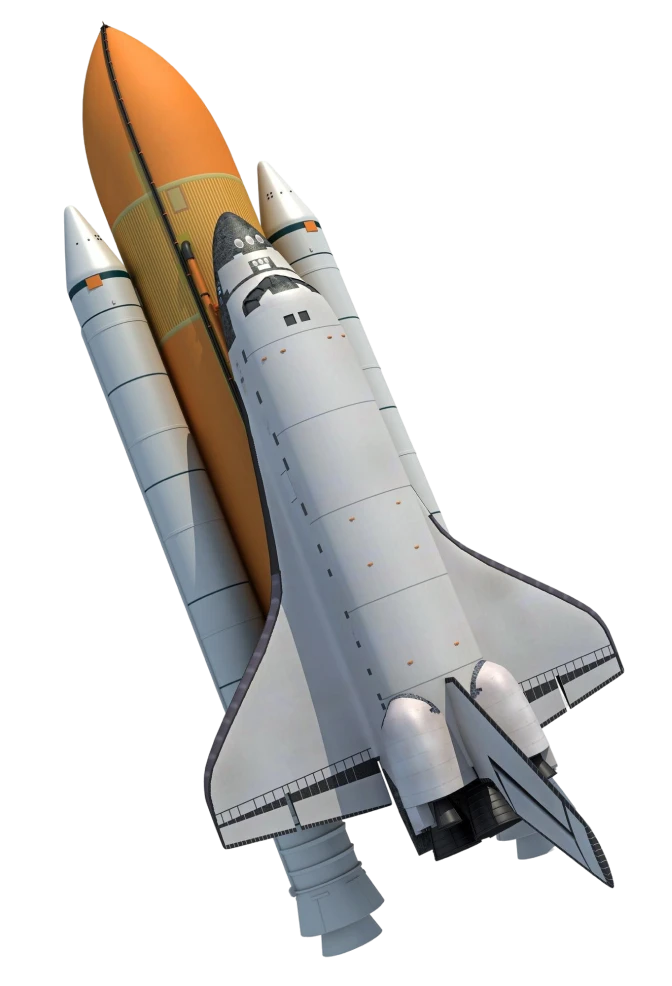
Because space-related sci-fi is a highly saturated category, it could take you light-years to watch them all! Luckily for you, we have shortlisted our favorite TV shows and films focused on the universe. Get ready to be transcended through a milky way of marvelous suggestions as you read through this carefully curated section.
Astronomy and
Space on TV
A lot has happened to sci-fi TV since the cult classic, ‘Star Trek’, which aired back in 1969. There are loads of binge-worthy shows, suited to kids and grown-ups, which can transport you into outer space. If you are searching for a new cosmic TV show, you’re in the right place!
10 Out of this World
Kid’s TV Shows
1.
Bill Nye the Science Guy: Outer Space
Where To Watch: Youtube
In this exhilarating Nickelodeon show, a group of youngsters are accidentally launched into outer space after sneaking onto a spaceship. In an attempt to get back home safely, the kids work together to navigate the spaceship and prevent it from breaking down.
2.
The Astronauts
Where To Watch: Amazon Prime Video; Paramount+
In this exhilarating Nickelodeon show, a group of youngsters are accidentally launched into outer space after sneaking onto a spaceship. In an attempt to get back home safely, the kids work together to navigate the spaceship and prevent it from breaking down.

3.
Star Wars Rebels
Where To Watch: Disney+
Part of the Star Wars franchise, this animated spin-off show focuses its plot a decade after the ‘Star Wars: Episode III’ film. This show follows a group of savvy rebels living aboard a spacecraft called ‘Ghost’ as they fight the menacing Galactic Empire.
4.
Space Kids
Where To Watch: Amazon Prime Video
Perfect for kids with a keen interest in the galaxy, this original child-friendly docuseries by Amazon explores a multitude of questions, such as ‘how are stars born?’ and ‘how to become an astronaut?’. If you show your little one’s this series, be ready to have a walking encyclopedia on your hands!
5.
The Magic School Bus Rides Again: Kids in Space
Where To Watch: Netflix
Parents, prepare yourselves for some serious nostalgia! Ms. Fizzle is back in a refreshingly new ‘Magic School Bus’ series. Packed with inquisitive characters, asking all the questions your youngster has, this animated show combines an exciting storyline with enlightening facts making learning-time, fun-time!
6.
The Jetsons
Where To Watch: HBO Max
This timeless animated classic has transcended from generation to generation, and still holds up today! Depicting a comical nuclear family in Orbit City, a futuristic sky-high suburbia, each episode focuses on the many misadventures of the Jetsons.

7.
The Epic Tales of Captain Underpants in Space
Where To Watch: Netflix
In this action-packed series, fourth-grade pranksters, Harold and George, are recruited to embark on a peculiar mission in outer space. Because each episode focuses on a different wacky plot, this series will undoubtedly keep your child on their toes from start to finish!
8.
Alien TV
Where To Watch: Netflix
Combining real life with animation, ‘Alien TV’ is a unique and easy-to-watch show which focuses on a group of mischievous, and extremely adorable, extra-terrestrials who happen to be a television news crew exploring our Earth, and reporting on their many interesting findings.

9.
Ben 10
Where To Watch: HBO Max; Amazon Prime Video; Apple TV
Part of the Star Wars franchise, this animated spin-off show focuses its plot a decade after the ‘Star Wars: Episode III’ film. This show follows a group of savvy rebels living aboard a spacecraft called ‘Ghost’ as they fight the menacing Galactic Empire.
10.
Miles From Tomorrow Land
Where To Watch: Disney+
Miles Castillo and his family journey through outer space, on a mission to connect the universe. Over the course of the series, the Castillo’s visit an assortment of wonderful planets, and face new and exciting challenges in each episode.
10 Skyrocketing TV
Shows For Grown-ups

.
Where To Watch:
Hulu; Disney+
Futurama is a classic animated series which aired for an impressive seven seasons. In this hilarious animated show, pizza delivery man, Fry, is accidentally frozen in a cryogenic tank for 1,000.
Futurama is a classic animated series which aired for an impressive seven seasons. In this hilarious animated show, pizza delivery man, Fry, is accidentally frozen in a cryogenic tank for 1,000.

.
Where To Watch:
Disney+
Set in the Star Wars universe, the Mandalorian depicts life after the fall of the Empire, following a lone traveling bounty hunter, played by Pedro Pascal, who operates in the Outer Rim, out of reach of the New Republic dominion.
Each season will keep you on the edge of your seat as you watch Pascal embark on various life-threatening adventures.
.
Where To Watch:
Amazon Prime Video; Apple TV
Esteemed astrophysicist, Neil deGrasse Tyson, lays out the infinite wonders of the universe in this 13-part docuseries. Each scientific concept is communicated clearly with the right amount of scepticism, which will have you conjuring your own theories!
.
Where To Watch:
Netflix
Love, Death + Robots was brought to life by the academy award-winning director, David Fincher, who made Seven, Fight Club, Alien 3, and many more cinematic masterpieces.
It is a collection of short stories showcasing a variety of stunning animations in an array of unique styles..
From post-apocalyptic robots roaming the ruins of Earth to an awakening crew who discover their ship has traveled off-course for light-years, this anthology series will make you laugh, cry, and jump!
.
Where To Watch:
Netflix
Set in an apocalyptic future where water has become almost non-existent, this South Korean sci-fi mystery follows a group of space explorers who have 24-hours to travel to an abandoned research facility and retrieve scientific samples which could save Earth’s population.
.
Where To Watch:
Hulu
This one’s for the conspiracy theorists out there. ‘Ancient Aliens’ is a docuseries which focuses on the possibility that alien life-forms interacted with and even lived amongst ancient human civilizations, centuries ago.

.
Where To Watch: Amazon
Prime Video; Apple TV
After Earth is destroyed by a brutal war caused by religious disagreements among humanity, two advanced androids set off with precious cargo, twelve human embryos, hoping to raise a peaceful civilization. However, various forces come into play which makes the androids’ jobs far more difficult.
.
Where To Watch: Netflix;
Amazon Prime Video;
Paramount+
Set a decade before the original Star Trek series, this modern prequel focuses on a crew of explorers onboard a starship called the ‘Discovery’. Their goal is to journey through the galaxy to discover new life forms and find new planets.

.
Where To Watch:
Paramount+
Based on a military science fiction game franchise also called ‘Halo’, this heroic series concerns a 26th-century war where cybernetic soldiers are defending the human race against lethal aliens, called the ‘Covenant’.
Although conflict is the major plot-point of this series, it also delves into deeply intricate narratives and boasts incredibly hyperrealistic effects, which will make you forget you’re watching a fictional show!
.
Where To Watch:
Netflix
This British docuseries embodies the essence of David Attenborough’s ‘Planet Earth’, but with a twist.
Through state-of-the-art CGI, this show demonstrates what natural habitats from various planets could look like, based on several scientific theories, and even imagines how different alien species may hunt, reproduce, and interact with one another.
Astronomy and
Space on Film
From terrified to fascinated, sci-fi films have the power to provoke all kinds of emotions, and even enable our minds to wander through the galaxy, imagining what space could be like in real life!
If you are looking to grab some popcorn and enjoy a couple hours of cosmogonic escapism, check out the following top 10 lists, tailored to kids and adults, to help you discover your next favorite sci-fi film!
10 Cosmic Films For Kids

Space Buddies
Director: Robert Vince
After their owners go to watch the launch of a spacecraft called ‘Vision One’, their talking pups follow them, wandering onto the empty rocket. They soon get accidentally launched into outer space, and embark on the journey of a lifetime — This film is perfect for anyone with a soft spot for dogs!

WALL-E
Director: Andrew Stanton
Wall-E, a lonesome robot whose job is to clean the waste on Earth long after its abandonment, meets Eva and soon falls head over wheels for her. The pair jointly set out on a jam-packed adventure which transforms the fate of humanity.

Lightyear
Director: Angus MacLane
‘Toy Story’s’ very own, Buzz Lightyear, embarks on a triumphant intergalactic journey alongside his trusted recruits, Mo, Darby, Izzy and a robot pal called Sox. They work together to conquer their greatest nemesis, the Evil Zurg, as well as his evil army of robots.

Lilo &
Stitch
Director: Chris Sanders & Dean DeBlois
Set in the tropics of Hawaii, ‘Lilo & Stitch’ focuses upon an unlikely friendship between an irresistibly cute extra-terrestrial creature and an outgoing 6-year-old girl who lives with her older sister, Nani.

Space Jam: A
New Legacy
Director: Malcolm D Lee
In this modern sequel to the original, and iconic, ‘Space Jam’ movie which starred world-famous basketball player, Michael Jordan, this movie follows NBA’s very own LeBron James and his son who find themselves trapped in an animated ‘Loony Toons’ realm.

Zathura: A
Space Legacy
Director: Jon Favreau
Two brothers discover and play a strange board game which transports their entire house into the depths of outer space. To return to Earth, they must complete the game.

Strange
World
Director: Don Hall
In this vibrant, animated film, a family of explorers end up in unchartered land and encounter otherworldly creatures. In order to survive, they must accept their differences and work together.

Home
Director: Tim Johnson
In this vibrant, animated film, a family of explorers end up in unchartered land and encounter otherworldly creatures. In order to survive, they must accept their differences and work together.

Treasure
Planet
Director: John Musker & Ron Clements
After discovering a pirate treasure map, adventurous teenager, Jim Hawkins, boards a spaceship traveling through the galaxy, and later discovers that his friend is scheming a mutiny.

Aliens in the Attic
Director: John Schultz
Starring Ashley Tisdale and Austin Butler, a group of six children find out that their vacation home is swarming with wicked aliens who are trying to use mind-control technology to conquer Earth.
10 Intergalactic
Grown-up Films

Interstellar
2014
Director:
Christopher Nolan
As Earth is on a steady path to becoming inhabitable, NASA physicist, Professor Brand (played by Michael Caine), plans to save the human race by transporting the population through a wormhole to a new home.
In order to locate a feasible new planet, NASA Pilot, Cooper (played by Matthew McConaughey), and his crew members must risk their lives traveling across the galaxy.
High Life
2019
Director:
Claire Dennis
In this visually stunning and emotional film, Robert Pattinson plays a solitary traveler called Monty, aboard an empty spaceship after his team’s mission goes sideways. During the film, Monty does all he can to keep himself and his baby daughter alive.


The Martian
2015
Director:
Ridley Scott
Matt Damon plays a botanist, Mark Watney, who is stranded on Mars after his crew presume he is dead after a nasty storm. With limited supplies, Watney must do all he can to survive while he awaits his rescue.
Prometheus
2012
Director:
Ridley Scott
Set in the same universe as ‘Alien’, this movie follows a pair of young scientists who lead an expedition to the darkest part of the universe, intending to unveil the origin of the human species.


Voyage of
Time: Life’s
Journey
2016
Director:
Terrence Malick
This feature-length documentary explores the existential existence of humankind. Malick examines how the universe began, delving into the birth of galaxies and stars, as well as the planetary journey of our species.
The Village
of the
Damned
2019
Director:
John Carpenter
After the residents of a small Californian town simultaneously fall unconscious, they awaken to discover that 10 of its female residents have mysteriously fallen pregnant.
After all giving birth, they raise a group of children with unsettling characteristics who grow and develop at an alarmingly rapid pace. In fear of the alien children, a local doctor and federal agent team up to fight them.


Event
Horizon
1997
Director:
Paul W. S. Anderson
After a lost spaceship called the ‘Event Horizon’ emerges years after its unsolved disappearance near Neptune’s collapsing orbit, a group of perplexed astronauts are sent on a mission to investigate it. However, what they find is far more sinister than what they could have ever imagined.
Dune
2021
Director:
Dennis Villeneuve
In this contemporary remake of David Lynch’s 1984 classic, a young gifted royal named Paul Atreides (portrayed by Timothee Chalamet) arrives on the planet of Arrakis after his father accepts stewardship of a malevolent and unstable planet.

The
Cloverfield
Paradox
2018
Director:
Julius Onah
Part of the ‘Cloverfield’ franchise, this film is set on a space station orbiting Earth. The station is inhabited by a group of international scientists who are working tirelessly to find a solution to Earth’s deadly energy crisis.
While testing an accelerator, hoping to create unlimited power, the team open up a paradox, leaving them with a dark alternate reality.
Paul
2011
Director:
Greg Mottola
Two nerdy comic book fans take a road trip to Area 51, where they bump into an outrageously funny alien, Paul (voiced by Seth Rogen). Together, they team up to escape government agents and get Paul to his spaceship so he can go to his home planet.

Skyrocket Your Home
Theater Comfort With
Octane Seating






Do you think there is a current trend in space-related film and TV?
Yes, In recent years, major franchises such as Star Wars and Marvel have popularized a genre of science fiction that explores the possibilities of space exploration and encounters with aliens. There are also other films that focus on more realistic storylines set within the vastness of space, like Gravity or The Martian. Space-related content has become increasingly prevalent across all forms of media, including TV shows like The Orville or movies like Interstellar. Thus, it’s safe to say that space-related content is here to stay for some time.
How has the portrayal of space changed over the years?
The representation of outer space in movies, television shows, books, and other forms of media has changed significantly over the years. Early portrayals of space often depicted it as a dry and barren wasteland filled with dangers like asteroid fields or hostile aliens. However, more recent depictions of space have embraced its beauty by depicting nebulae and galaxies in vivid detail. There has also been an increased focus on the scientific aspects such as exploration missions and discoveries made by mankind. The ongoing advances in technology have allowed for much more realistic depictions of space which further enhances people’s appreciation for it.
Are there any upcoming space-related film or TV projects that audiences are excited about?
Yes, there are several upcoming space-related film and TV projects that audiences are excited about. Some of the most highly anticipated include ‘The Tesla Project’, an Apple TV+ series from Ron Howard and Brian Grazer; the Disney + movie ‘Stargirl’; and Christopher Nolan’s ‘Interstellar’. Other notable upcoming projects include HBO Max’s ‘Away’ starring Hilary Swank and Netflix’s sci-fi drama, ‘Space Force’. All these are sure to excite space enthusiasts around the globe!
What are some of the most iconic space-related film and TV moments?
- The “In Space, No One Can Hear You Scream“ tagline from the 1979 film Alien.
- The opening sequence from 2001: A Space Odyssey.
- The Enterprise’s first warp-speed jump from Star Trek.
- The Rebel Alliance’s attack on the Death Star from Star Wars.
- The discovery of the monolith from 2001: A Space Odyssey.
- Hal 9000’s “I’m sorry Dave” line from 2001: A Space Odyssey.
- The “Space, the final frontier” opening of Star Trek.
- The Millennium Falcon’s jump to light speed from Star Wars.
- The iconic Wilhelm scream from Star Wars.
- The “Open the Pod Bay Doors” scene from 2001: A Space Odyssey
How do actors prepare for their roles when filming in space?
As of now, there hasn’t been a mainstream film or TV series filmed in space, so there is no definitive answer to how actors would prepare for their roles in such a scenario. However, if and when it happens, the following could be some possible ways actors might prepare for their roles:
- Training in space-like environments: Actors could undergo extensive training in environments that simulate the conditions of space. This could include training in zero-gravity, using spacesuits and operating spacecraft, and learning how to deal with emergencies in a space-like setting.
- Researching the science behind space travel: Actors could spend time learning about the science behind space travel, the physics of spaceflight, and the effects of space on the human body. They could also read up on the history of space exploration and familiarize themselves with the current state of space technology.
- Talking to astronauts: Actors could talk to astronauts who have spent time in space to get a firsthand account of what it’s like to live and work in space. They could also learn about the emotional and psychological effects of long-duration spaceflight.
- Consulting with space experts: Actors could consult with space experts such as engineers, astrophysicists, and space policy experts to gain a better understanding of the challenges and opportunities of space exploration.
- Working with a space consultant: If the film or TV series is working with a space consultant, the actors could work closely with them to ensure that their performances are as accurate and authentic as possible.
- Overall, preparing for a role in a space-themed production would require a lot of research, physical training, and consultation with experts. Actors would need to work hard to make their performances as authentic and convincing as possible.
Do film and TV producers consult with astronauts or other experts to ensure accuracy?
Yes, film and TV producers do consult with astronauts and other experts to ensure accuracy in space-themed productions. They often work with space consultants, who are experts in the field of space exploration, to ensure that the details of the production are as accurate and authentic as possible.
For example, in the movie “Apollo 13,” director Ron Howard consulted with Apollo 13 astronaut Jim Lovell and his wife Marilyn, as well as with other NASA officials, to ensure that the film accurately portrayed the events of the real-life mission. Similarly, for the movie “The Martian,” director Ridley Scott worked closely with NASA scientists to ensure that the science and technology depicted in the film were as accurate as possible.
In addition to consulting with experts, producers of space-themed productions often conduct extensive research and may even send members of the production team to NASA facilities or other space-related locations to gain a better understanding of the subject matter.
Overall, accuracy is an important consideration for producers of space-themed productions, and they take great care to ensure that their depictions of space exploration are as true to life as possible.
Are there any challenges associated with filming space movies or TV shows?
Yes, there are many challenges associated with filming space movies or TV shows. This includes recreating the low-gravity environment of space in a studio setting and dealing with the extreme temperatures present in outer space. Another challenge is creating intricate sets that accurately depict both large and small spacecraft, as well as planets and galaxies. There are also special effects to consider when replicating cosmic phenomena like meteors or other astronomical events. The process of writing a believable plot while still keeping true to scientific facts can be quite challenging as well.
How does the use of CGI and other special effects affect the way space is portrayed?
The use of CGI and special effects has allowed filmmakers to accurately portray space on the big screen. CGI can generate incredibly realistic images of galaxies, stars, planets, asteroids, and other cosmic bodies that are far beyond what traditional special effects can create. It has also allowed for more accurate depictions of phenomena like black holes, wormholes, and nebula clouds. On top of this, it gives filmmakers the capability to create a highly immersive experience for viewers by taking them into far-off worlds or showing them powerful cosmic events in extreme detail.
Do adults and children react differently to on-screen portrayals of space?
While children tend to be more open-minded and excited about the possibilities of space exploration, adults may be more likely to take a measured approach based on past experiences or established beliefs. On-screen portrayals often emphasize the awe and mystery of space, which can encourage viewers to broaden their perspective and think differently about it. This can lead to increased support for sciences such as astronomy, astrophysics, and related fields. Ultimately, when done correctly, films and TV shows that depict space help foster scientific curiosity while inspiring audiences to learn more about our universe.
How does the portrayal of space in film and TV influence the public's perception of it?
The portrayal of space in film and TV has had a huge influence on the public’s perception of it. Movies like Star Wars, The Martian, and Gravity have made space exploration more accessible to the masses and demonstrate its potential for awe-inspiring adventure. Through these stories, people have come to recognize that space can be used for scientific discovery, technological advancement, and even entertainment. These stories also bring attention to topics such as climate change, international cooperation, extraterrestrial life forms, and other related themes which are often overlooked by those not directly involved in space exploration. As a result of this portrayal in film and TV media, the public is becoming increasingly aware of what goes on beyond our planet’s atmosphere.