
From Page to Screen
Navigating the Art of Book-to-Film Adaptations
SETTING the SCENE
The Enduring Appeal of Book-to-Film Adaptations
Let’s begin with a quick test. Think back over all the films you’ve seen this year and answer this question:
How many of them were adapted from books?
Over 50% of Hollywood films are adapted from books

Percentage of Films Adapted from Books
Chances are, the number’s pretty high. In fact, it’s not uncommon for the percentage of Hollywood films to have been adapted from books to be over 50% in any given year (it was 66% in 2005, and 65% in 2015).

But there’s nothing strange in that. Since the dawn of film, books have served as a primary source of inspiration. In 1899, just 11 years after Louis Le Prince’s famous Roundhay Garden Scene (1888), Georges Méliès broke new ground with his adaptation of Cinderella – the first ever book-to-film adaptation and the first frame of a whole new era of entertainment.

In 1899, Georges Méliès made history with “Cinderella,” the first book-to-film adaptation, ushering in a new era of entertainment.

Books to Blockbusters!
53% Higher Earnings
Films adapted from books earn, on average, 53% more than original screenplays

$22.5 Billion Revenue
Between 2007 and 2016, book adaptations raked in a whopping $22.5 billion

Today, we don’t very often sit through jumpy reels of silent film, but we do go in our droves to watch award-winning book-to-film adaptations – both good and bad – on the big screen. Films adapted from books earn, on average, 53% more than original screenplays, and between 2007 and 2016, they raked in a whopping $22.5 billion.
So there’s no doubt that book-to-film adaptations are just as popular today as they’ve always been. But with that popularity comes a degree of pressure for filmmakers; I mean, think about it, would you really want to be put in charge of adapting Harry Potter?
The Intricacies of Translating Literature to The Silver Screen
Transforming a book – not to mention a beloved one – into a film is a demanding process. It requires a careful balance of both creative fidelity and innovative vision. Filmmakers taking on the challenge must navigate the difficulties of:
01
Condensing narratives to fit a predetermined runtime
02
Choosing what to omit
03
Capturing the ‘soul’ of the source material
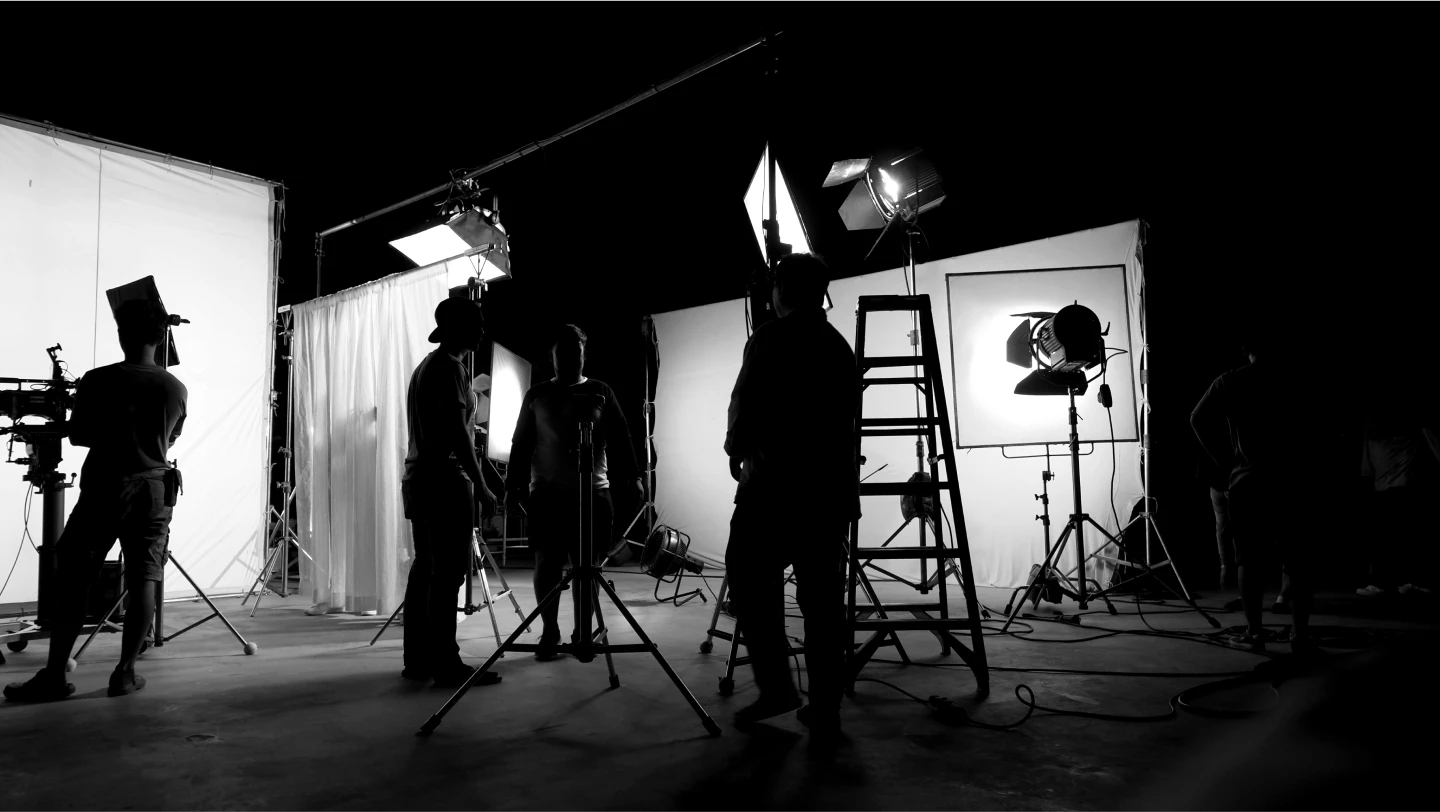
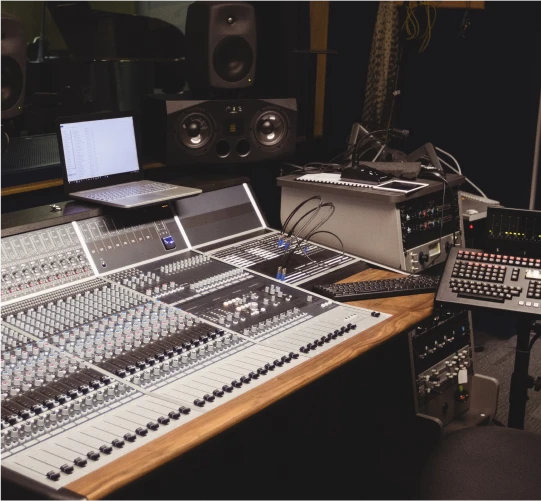
On top of that, those involved in producing book-to-film adaptations also have to consider the elements unique to film, such as music, cinematography, and performance – all of which add layers of interpretation to the original text.
Integrating Unique Film Elements

Music
Cinematography
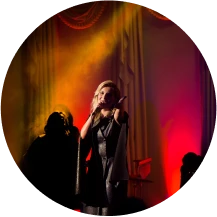
Performance
Adaptation is a soup of many ingredients. Hopefully, the finished product is a delicious standalone work that manages to please the palate of both new audiences and die-hard fans.
The Art of Adaptation
Balancing Fidelity &
Creativity
Staying True to the Essence of the Source Material
Words like ‘essence’ come up a lot when talking about the creative arts, but what exactly does it mean here? Is it the sum of the main plot points? Is it the atmosphere? Is it the main theme? What most people would probably say is that the essence of a book is a kind of ‘feeling’.
That’s all very well, but for filmmakers tasked with adapting a book, that’s a pretty abstract idea. In essence (no pun intended), what they must do is preserve the core themes, tone, and character dynamics that define the original work.
2001-2003
THE LORD OF THE RINGS by
PETER JACKSON
One series of films widely praised for setting the benchmark by which all book-to-film adaptations are judged is Peter Jackson’s The Lord of the Rings trilogy (2001-2003). Although Jackson adjusted some plot points for the sake of pacing, his adaptation managed to both tick boxes with fans and welcome newcomers, all while keeping the spirit of Tolkien’s creation intact.

Navigating Challenges in Condensing & Selecting Narrative Elements
The average reader spends over eight hours with the average-length book (spread out over the course of several days or weeks), yet when viewers sit down with their popcorn, they’re not expecting to spend much longer than two hours in the chair.
The average reader spends over eight hours on a book, spread over several days or weeks. In contrast, movie viewers expect to spend no more than two hours in the theater
This presents a problem for book-to-film adaptation. In almost all cases, producers must choose which scenes and characters modify or omit to fit a studio-imposed runtime. But this doesn’t have to mean sacrificing the integrity of the source material.
2001-2011
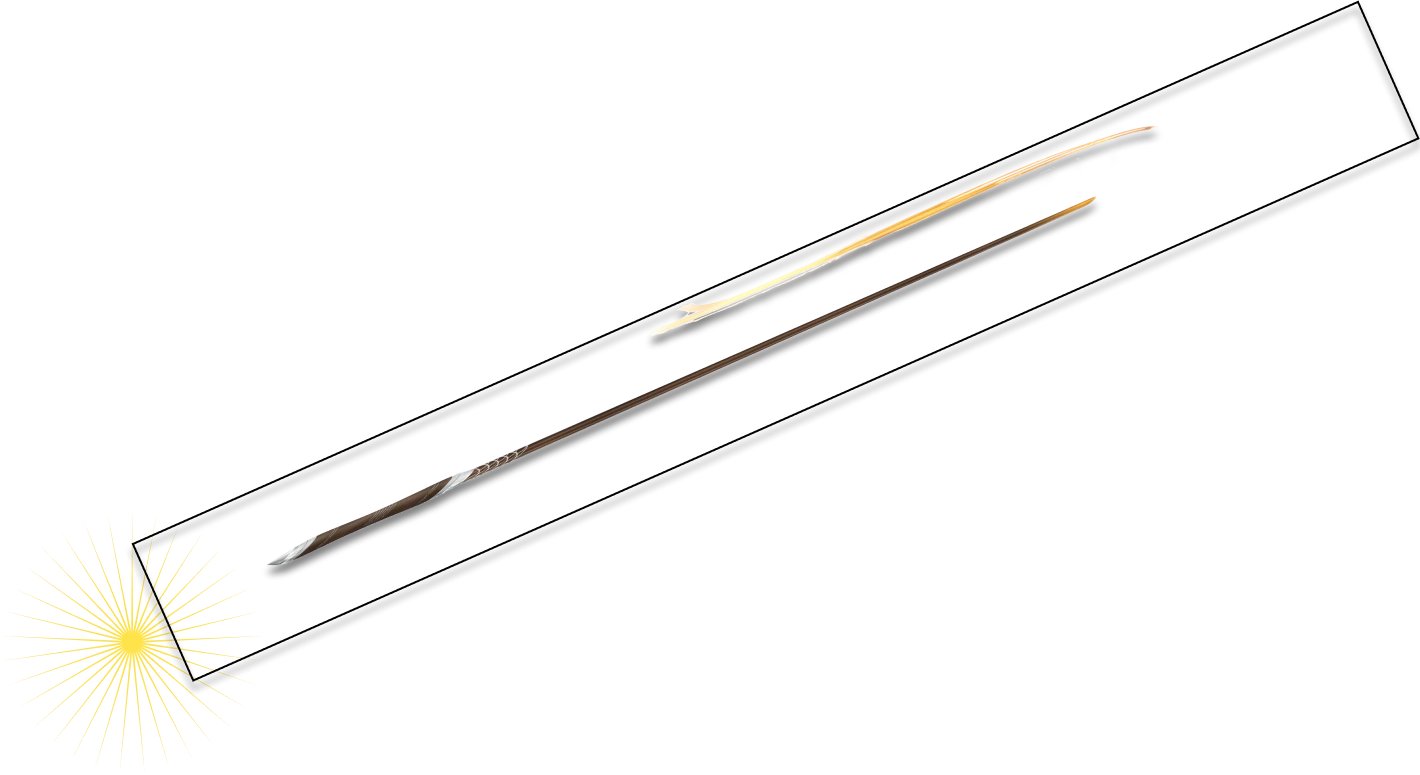
Harry Potter series
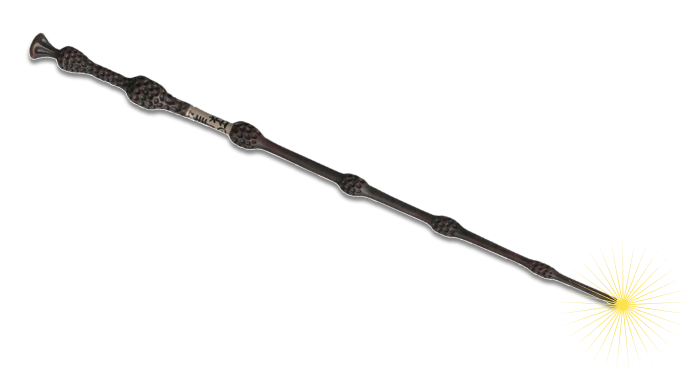
Take the Harry Potter series (2001-2011), for example: any fan of the books will tell you just how much was actually omitted from the film series (and probably love doing it!). However, the writers of the films simply had no choice but to streamline subplots and focus on the central plot (Harry’s battle with Voldemort) – and based on box office results, we’d say they succeeded!

Embracing Creative Liberties & Enhancing Visual Storytelling
For all this talk of fidelity to source material, film is its own creative medium. Visual storytelling is a completely different ball game from written storytelling and it’s the creative features unique to it that make it so special. So creative liberties can in fact bring new dimensions to a narrative.

1980
THE SHINING by
STANLEY KUBRICK
One notable example of a book-to-film adaptation going its own way is Stanley Kubrick’s The Shining (1980). Kubrick famously took liberties with Stephen King’s original novel, not only altering characters and timelines but introducing whole new elements of his own. Though King has expressed dislike of Kubrick’s adaptation (which he called ‘disappointing’), there’s no denying the film’s reach and appeal. Today, it’s considered a horror classic.
Case Studies in Successful Adaptations
Iconic Book-to-Film Adaptations That Transcend Generations
Fidelity to source material isn’t the only measure of a book-to-film adaptation’s success; indeed, some adaptations take on a life of their own, becoming cultural touchstones and achieving ‘iconic’ status.
Some notable examples include

1972
The
Godfather
by
Francis Ford Coppola
1963
To Kill a
Mockingbird
by
Robert Mulligan
1991
The Silence
of the Lambs
by
Jonathan Demme
1939
Gone with the
Wind
by
Victor Fleming
1993
Jurassic
Park
by
Steven Spielberg
JURASSIC PARK by SPIELBERG
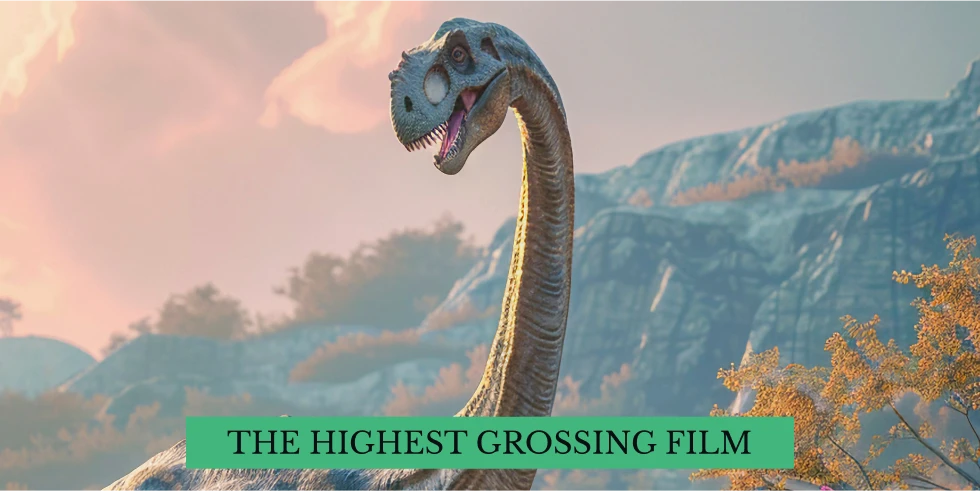
All of these films are revered not only for their ‘translation’ of their original source materials, but for their filmmaking prowess in their own right. The Godfather, for instance, consistently tops ‘best movies of all time’ lists, while Spielberg’s Jurassic Park was the highest-grossing film ever at the time of its release.


Examining Directorial Vision & Authorial Collaboration
Some authors are famous for wanting no involvement whatsoever in adaptations of their works, while others take an active role in production. The value and benefit of authorial collaboration is up for debate, no doubt about it, but such teamwork has often produced faithful, well-regarded book-to-film adaptations.
To point to two examples already mentioned earlier: The Lord of the Rings trilogy was made in close collaboration with the J.R.R. Tolkien estate (Tolkien himself had already passed by the time the films were made), and J.K. Rowling played an important role in the making of the Harry Potter series. Both examples are stand-out book-to-film adaptations.
Critics’ Choice Movie Award for Best Adapted Screenplay – 2015
GONE GIRL by
DAVID FINCHER
Another example would be Gone Girl (2014). Author Gillian Flynn was heavily involved in the screenplay adaptation of her best-selling novel, and between them, she and director David Fincher scored a blinder. In fact, Gone Girl won the Critics’ Choice Movie Award for Best Adapted Screenplay in 2015.
Impact on Literary & Cinematic Culture
Cinematic narrative conventions as we know them probably wouldn’t exist without the novel form, and literature owes much to cinema, too. Successful adaptations have the power to reignite interest in original works, set new conventions (both literary and cinematic), and push new boundaries in cinema.

Take The Hunger Games (2012), which, through its enormous popular success (to date it’s raked in over $695 million), has been widely credited with shaping the norms and conventions of subsequent YA (Young Adult) fiction – books and films alike.
The Hunger Games” (2012) has made over $695 million and significantly influenced the norms and conventions of young adults fiction in both books and films
Some adaptations even change the way we watch: Game of Thrones (2011-2019), based on George R.R. Martin’s best-selling series of epic fantasy novels, proved beyond all doubt the potential for long-form televisual cinema.
Challenges & Pitfalls in Adaptation
Addressing Fan Expectations & Criticisms
Of course, any book worth adapting probably comes with its own die-hard fanbase. That’s the nature of the game. And while some of those fans will be opposed to adaptations of their favorite books on principle, even the ones who are open to adaptations will step into the cinema with a set of strong expectations.
‘flopped adaptations’
Sometimes, those expectations can spell doom for a project. Some examples of book-to-film adaptations that didn’t make the grade (or, ‘flopped’) are

2010
“A LOT LESS FUN”
Percy Jackson & The Olympians by Chris Columbus
One critic said ‘It’s not just that it’s a lot less funny than the book. It’s also a lot less fun’
“Wildly Unfaithful”
The Dark Tower by Nikolaj Arcel
This time, critics said the film was ‘incomprehensible to newbies and wildly unfaithful’
2017
2006
“unconvincing world-building”
Eragon by Stefen Fengmeier
Almost universally shrugged-at, critics said Eragon ‘lacks any magic [and has] . . . unconvincing world-building’
Adapting Complex Narratives & Multilayered Characters
Great books are often called ‘great’ precisely because of their intricate plots and deeply-developed characters – both features which can be tough to translate into a two-hour film.

Works like David Mitchell’s Cloud Atlas (2004) explore narratives that span multiple timelines and characters. When the Wachowskis and Tom Tykwer set out to adapt the book in the early 2010s, they knew they’d have to employ innovative storytelling techniques to weave together interconnected stories coherently on screen – techniques which ultimately met mixed reviews.
Let’s revisit Game of Thrones: by the time of the fifth season (there were eight overall), showrunners David Benioff and D.B. Weiss had had to diverge significantly from the source material (which Martin hadn’t – hasn’t – finished writing). Fans frequently cite the simplification of complex characters and plots (which had made the show so popular in its early seasons) as a major flaw of the later seasons.
Negotiating Rights, Budgets, and Production Constraints
Practicalities often shadow filmmaking. Rights, budgets, and production constraints often hold an adaptation down – or, indeed, prevent them from being adapted at all.
Securing the rights to popular books can be a lengthy (not to mention, ludicrously expensive) endeavor. The protracted negotiations for J.R.R. Tolkien’s The Hobbit are testament to that: rights, directors, producers, all went through multiple iterations before the production finally saw a camera.
Securing book rights can be lengthy and expensive. The negotiations for The Hobbit involved multiple iterations of rights, directors, and producers before production began.
Similarly, adaptations which require huge budgets – think: Dune, Frank Herbert’s 1000-page operatic sci-fi epic – often have a hard time getting off the ground. That’s understandable, given the mind-boggling sums on the line. So balancing financial constraints with creative ambition is a delicate act that can determine the success or failure of an adaptation.
(Much to sci-fi fans’ delight, Dune [2021] did eventually get its $165 million budget, which it comfortably doubled at the box office.)
Dune movie
165 million
Budget
Author
Frank Herbert
Length
1000 Pages
Genre
Sci-Fi Epic
Challenges
High Budget Requirements
Difficult to Initiate Production
Transformative Impact on Literature & Film
Expanding Audience Reach & Revitalizing Literary Classics
Cinema can be seen as a modernizing force. While trudging through a dense classic can be off-putting to many modern audiences, through cinema, this literature can be given a new lease of life; it can be reimagined and reframed, sometimes in a modern context.
Baz Luhrmann’s efforts, both with The Great Gatsby (2013) and Romeo and Juliet (1996) (although the latter isn’t actually a ‘book’, but a play), have garnered much attention in this regard. Both of these projects advanced mainstream conversations about the works themselves and about the recontextualization of classic literature.
Another beloved adaptation which springs to mind is Pride and Prejudice (2005). To this day, director Joe Wright’s interpretation consistently shines through in ‘top Jane Austen adaptation’ lists across the web and is almost universally adored among young period-drama fans.

Influence on Reader Perceptions and Interpretations
Sometimes, adaptations become so culturally ubiquitous that certain elements within them overshadow the original text. Take actors, for instance, who come to inhabit their characters so fully that audiences can hardly see that character any other way (Alan Rickman as Severus Snape, anyone?).
Filmmakers might even deliberately – or, for that matter, unintentionally – alter certain aspects of their source material in such a way that audiences’ perceptions of certain characters and their motivations shift. A Shakespeare adaptation, for instance, may choose to present Hamlet either as a victim of acute mental illness or a wronged innocent.



The Evolution of Adaptation Techniques Across Film History
As the science behind the magic of filmmaking has evolved through its 150-year history, so have adaptation techniques.
In the early days of film, movies were limited in one obvious and crucial way: they were silent. This placed necessary restrictions on the limits of adaptability. To hark back to our earlier mention of Méliès’s Cinderella (1899), this particular adaptation was more a series of brief moving pictures rather than a ‘film’ as we’d understand it.
With the advent of sound and color, filmmakers gained new powers to create more immersive and faithful adaptations – famously, The Wizard of Oz (Victor Fleming, 1939).
Today, it’s a whole new world: advanced special effects make almost anything possible, giving filmmakers ultimate scope to adapt. That’s to say nothing of long-form TV adaptations, which have given filmmakers room to explore their source material more comfortably (The Handmaid’s Tale [2017-present] and Outlander [2014-present]) and is an increasingly popular adaptation format.
Engaging Audiences & Fostering Community Discussions

Hosting Book-to-Film Adaptation Screenings & Discussions
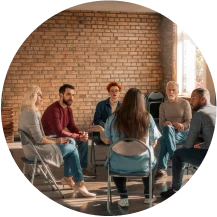
Screenings and discussion panels are popular formats for facilitating conversations around adaptations. At these, audiences are usually shown the film, and a panel of people involved are invited to discuss the work afterwards. Sometimes a member of the cast will attend, sometimes a writer or director – sometimes even several.
Libraries, bookstores, and community centers can organize these events, inviting readers and moviegoers to compare and contrast the adaptation with its source material. Plus, it’s a great way to facilitate a community event and draw people together more generally.
Community Events
Library

Bookstore
Community Center
Facilitating Author & Filmmaker Q&A Sessions
Audiences love ‘behind-the-scenes’ looks into their favorite adaptations and movies. Q&A sessions with authors and filmmakers can be a great way not only of exploring the adaptation itself, but of building bridges between fan bases and filmmakers, too.

Such events give audiences the opportunity to ask specific questions about production, authorial collaboration, and filmmakers’ decisions to alter or omit certain elements.
For instance, a Q&A with Gillian Flynn and David Fincher regarding Gone Girl would offer fans a behind-the-scenes look at the collaboration that resulted in a compelling adaptation.
Leveraging Digital Platforms for Virtual Film Clubs & Forums
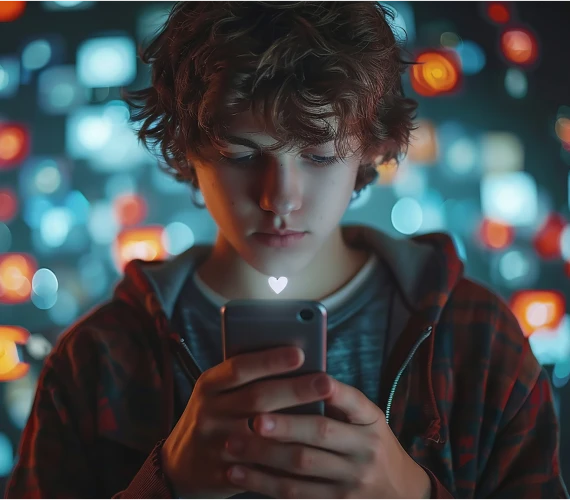
Today’s film fanatics are lucky to have so much freedom to connect with authors and filmmakers – freedom which not so long ago would have seemed impossible. Through digital platforms – think Reddit, Discord, social media sites like Instagram – audiences have more access than ever before to intimate discussions and viewings.
During the Covid lockdowns, many virtual film clubs popped up, giving fans a dedicated space to discuss their favorite adaptations. Some notable ones include:
BFI AT HOME

Le Cinéma Club
Utopia Movie Night
Social media is a great place to stay connected, too. Actors and filmmakers often share behind-the-scenes ‘sneak peaks’ during productions – the kind of stuff that gets true film fans’ hearts pumping!

Exploring Global Perspectives on Adaptation
Cultural Context & Regional Preferences In Adaptation Choices
One of the most fascinating aspects of literary adaptations is how cultural contexts affect perspectives. Regional variations inevitably shape how stories are both interpreted and presented.
For example, some fans may not know that Studio Ghibli’s cult classic Howl’s Moving Castle (2004) is actually based on a novel by the British author Diana Wynne Jones (1986). The film is a perfect example of fusion between two cultures: the classic British children’s novel and the distinctive style of Japanese anime – and the result is magical.
Likewise, Bollywood adaptations of Western novels often incorporate Indian cultural norms, musical numbers, and melodrama, giving the interpretation a whole new twist. Aisha (2010), directed by Rajshree Ojha, is a prominent example, being a faithful yet totally unique take on Jane Austen’s beloved Emma.



International Success Stories and Cross-Cultural Influences
Cross-cultural adaptations aren’t just niche projects, either: sometimes, these international adaptations achieve global success and even become forefront interpretations among audiences.
Take, for instance, the original Swedish adaptation of Stieg Larsson’s wildly successful The Girl with the Dragon Tattoo (novel published in 2005, Swedish film released in 2009), which, following great critical acclaim, inspired an equally successful American remake just two years later (2011).
Similarly, Vietnamese director Tran Anh Hung’s adaptation of Japanese author Haruki Murakami’s Norwegian Wood (novel 1987, film 2010) examined its source material through a cross-cultural lens, and was widely popular.
If what we love movies for is cinematic richness, such international crossovers are to be welcomed. They highlight the adaptability of compelling narratives and their ability to transcend cultural boundaries.


Embracing Diversity and Inclusivity in Adaptation Narratives
As our societies become more diverse, so too do our films and adaptations. This is reflected not only in the kinds of works we choose to adapt and the people who make that possible (Crazy Rich Asians [2018], based on Kevin Kwan’s novel, celebrates Asian culture and addresses the historical underrepresentation of Asian stories in Hollywood), but in casting, too.
Modern adaptations often adopt a ‘color blind’ approach to casting – an approach which has proved hugely successful. Here are a few examples:
● Bridgerton (2020-present)
● Les Misérables (2018-2019)
● The Personal History of David Copperfield (2019)
Such adaptations help not only to add new layers of interpretation to original works, but to bring great literary fiction to wider audiences

Such adaptations help not only to add new layers of interpretation to original works, but to bring great literary fiction to wider audiences.
Future Directions & Trends in Adaptation

Exploring Emerging Technologies and Interactive Experiences
It’s an exciting time to be a film fan. New technological horizons are poised to transform the way we experience all entertainment, including book-to-film adaptations. Interactivity is likely to be at the forefront of this revolution.
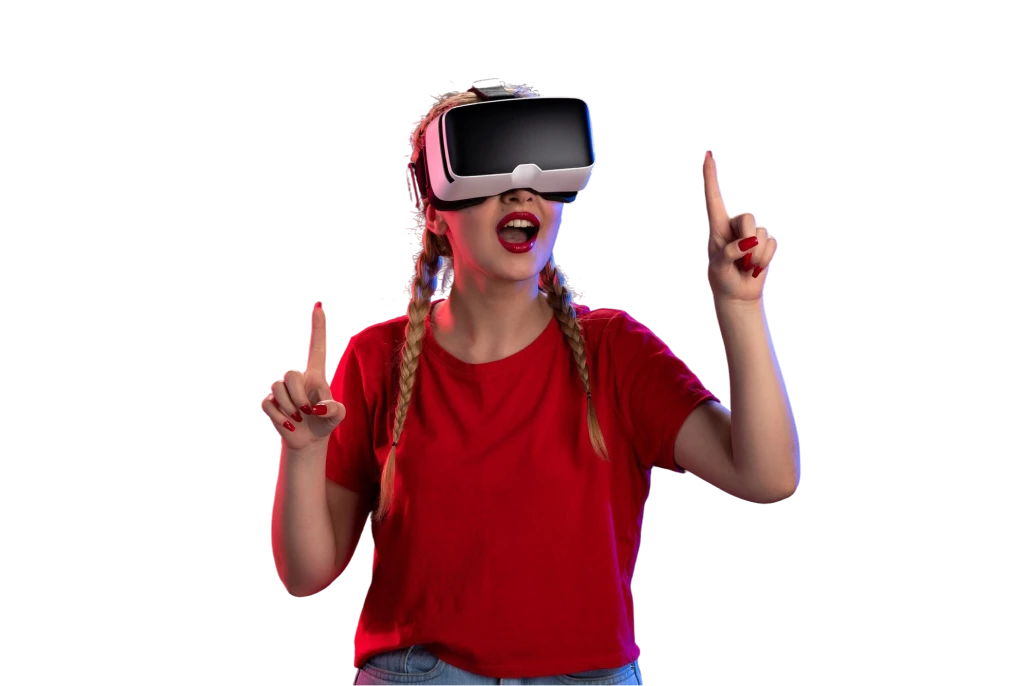
Virtual Reality (VR) and Augmented Reality (AR) present previously unimagined interactive possibilities.
- How long will it be until audiences are able to ‘fully’ immerse themselves in virtual, interactive worlds based on their favorite books and films?
- Will we be able to feel, smell, even taste interactive elements?
- Communicate with characters? Partake in the story?
2018
Black Mirror: Bandersnatch
Okay, all that may be a few years away yet, but filmmakers are already engaged in format experimentation. Netflix’s Black Mirror: Bandersnatch (2018) famously let viewers make choices that would affect the course of the story. Although this wasn’t an adaptation, it does go some way toward showing just what’s possible with today’s technology.
Adaptation in the Age of Streaming Services and Digital Platforms
Of course, we can’t talk about today’s book-to-film landscape without talking about digital platforms. There’s no way around it: streaming services like Netflix, Amazon Prime, and Disney + are the future.
There are several reasons for this. Primarily, though, such platforms offer filmmakers the flexibility to create longer, episodic adaptations that can delve deeper into the source material – and audiences love it.
Platforms offer filmmakers the flexibility to create longer, episodic adaptations that can delve deeper into the source material – and audiences love it.
2019
The Witcher
The Witcher (2019-present) is a prime example: adapting Andrzej Sapkowski’s six novels and fifteen short stories into one, two, or even three two-hour films would’ve been a tough task, and the results probably wouldn’t have been as successful.
These platforms also have huge global reach, bringing popular book-to-film adaptations (and the original texts) to new audiences all over the world.
Addressing Ethical & Cultural Considerations In Adaptation Practices
With the global distribution of film and the evolution of societal attitudes, ethical considerations are becoming more and more central to adaptations and filmmaking. This is all about ensuring respectful and responsible storytelling that everyone can enjoy.
‘Responsible storytelling’ involves being mindful of:
01
Cultural appropriation
02
Accurate representation
03
Misinterpretation
04
Varying cultural points of view
That’s not to say adaptations shouldn’t tackle difficult subjects – in fact, that’s exactly what films should be doing – but filmmakers have a responsibility to explore their material sensitively.
This evolution doesn’t just apply to content, but to production itself, too. Moving forward, the film industry must engage more with considerations about diversity and inclusivity ‘behind the lens’.

Conclusion
Celebrating The Rich Legacy Of Book-To-Film Adaptations
Since the earliest days of film, cinema and literature have been deeply entwined. Not only do they share narrative elements which have depended and drawn on each other’s conventions, but they’ve worked to bring phenomenal fiction to new audiences.
‘ Timeless Masterpieces ’
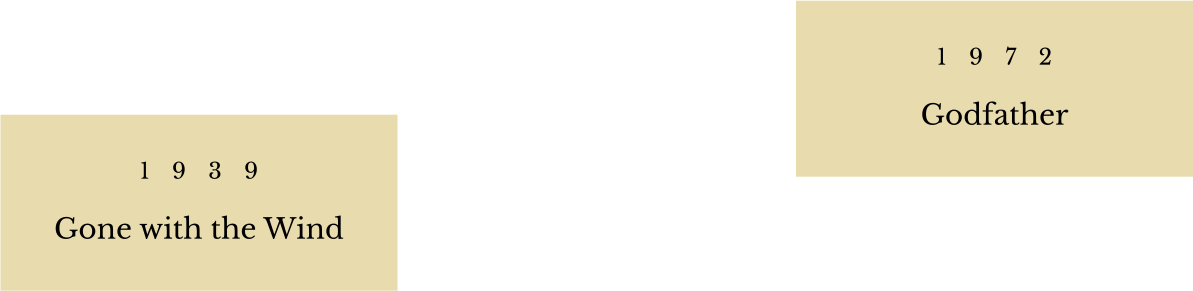
Landmark productions like Gone with the Wind (1939) and The Godfather (1972) may be popular flicks, but they;re not just popular flicks: if ever there was a time to use a word like ‘timeless’, it would be in describing masterpieces like these – masterpieces watched and loved all around the world every single day.
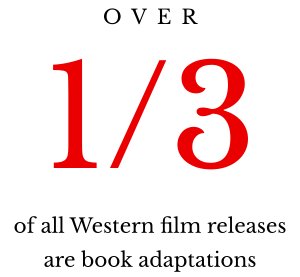
On average, book adaptations make up over a third of all (Western) film releases. In turn, when an adaptation does well, the source material’s Goodreads ratings increase by over 1000%. Such figures demonstrate the deep connection between books and films.
Acknowledging The Enduring Power Of Stories Across Mediums
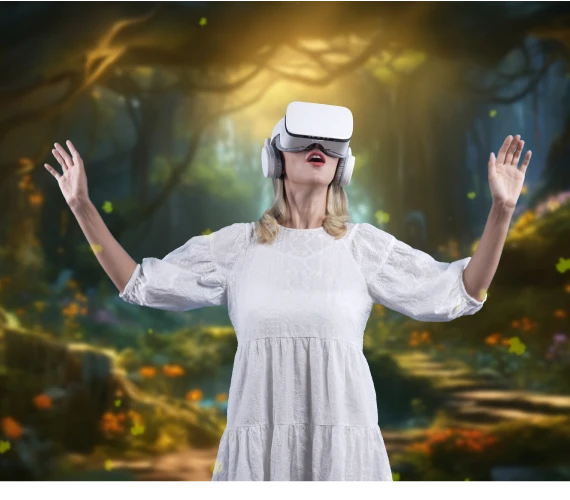
Stories are nothing new, but the formats and conventions in which we tell them are constantly evolving. That’s especially true today, with emerging technologies like VR and 3D providing the opportunity to enjoy fantastic fiction in new and invigorating ways. Digital streaming platforms, too, are changing audience expectations of storytelling style.
What doesn’t change, however, is the human love of great story – be that fiction or nonfiction. And great story doesn’t need to be confined to any single form.
Adaptations, therefore, offer a unique opportunity to bring people together and facilitate important conversations about society, the world, and what it means to be human – all while enjoying top-tier cinematic excellence.
Inspiring Creativity & Collaboration In The Art Of Adaptation
‘Creativity is just connecting things.’ You know who said that? Steve Jobs. And he’s right.
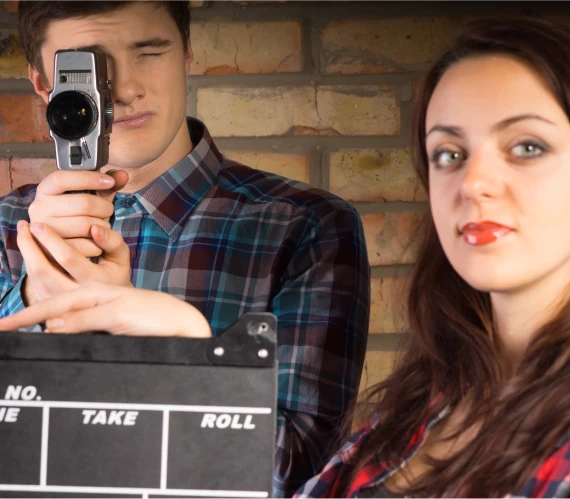
“Creativity is just connecting things.”
― Steve Jobs
Nowhere is that clearer than in the realm of adaptation. It’s about taking one source of inspiration, taking your own experience, mixing it all together, and creating something new.
Books to Film Adaptation Process
But adaptations aren’t made in a vacuum: authors, directors, actors, and crew members all add something to the adaptation process which gives it its individuality. In this way, creativity and collaboration play equal roles in the book-to-film adaptation process.

Authors

Directors
Actors

Crew Members
It’s this collaborative spirit that fosters the dynamic exchange of ideas that make adaptations so special and push the boundaries of both literature and cinema to new horizons.
And as we look forward, the popularity of adaptations doesn’t look to be waning. With new generations of writers and filmmake rs taking up the task, and new literary and cinematic worlds being explored, the future of book-to-film adaptations looks very bright indeed.