
Navigating the Film Industry
Exploring Trends & Opportunities FOR aspiring
FILMMAKERS

The film industry is a dynamic, ever-growing landscape with new trends and opportunities constantly emerging.





BUDDING FILMMAKER
As a budding filmmaker, it’s super important to stay ahead of the curb by understanding ongoing transformations and adapting accordingly. This will help you seize opportunities and leverage the latest trends, ultimately ensuring you plant solid roots in the world of filmmaking and develop a successful career as a filmmaker.

One Step Closer To
Winning An Oscar!
To help you launch your career, we’ve created
this insightful guide to navigating the film
industry. We’ll help you tackle the latest
trends and show you how to grasp the
unmissable opportunities, to ensure you
skyrocket your career and get one step closer
to winning an Oscar! Plunge into this article
and unleash your fullest potential as a
filmmaker.


06
Emerging Audience Trends Shaping the Film Industry
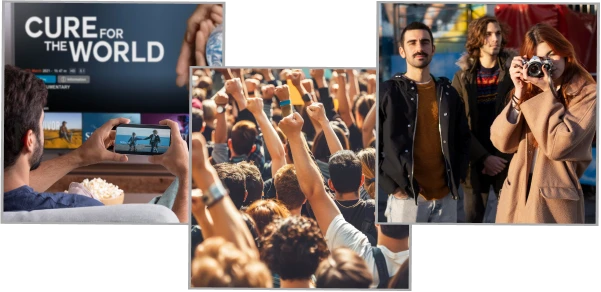

Audiences are always on the lookout for fresh takes and unique narratives that grasp their attention and resonate with their experiences. From immersive storytelling to at-home movie streaming, there are many new audience demands that are shaping the film industry.
Below, we list the most popular trends worth harnessing for your next project to ensure it’s a huge hit among modern audiences…
#1
Virtual Reality
(VR) Movies

A 360º Perspective
Since VR has come along, more people are looking for movies that offer a 360º perspective and completely immerse them in an alternate reality through VR headsets, such as Meta Quest. From spooky bedtime stories, like Wolves in the Walls (2019), to fascinating documentaries, such as David Attenborough’s Galapagos (2013), there are tons of movies that you can get lost in with a VR headset.

By embracing this trend and formatting your movies for VR, you’ll provide audiences with a new riveting way to enjoy your narratives, allowing them to be entirely enveloped by each scene, while setting your work apart from other filmmakers out there.
#2
Ongoing Demand
for At-Home
Streaming
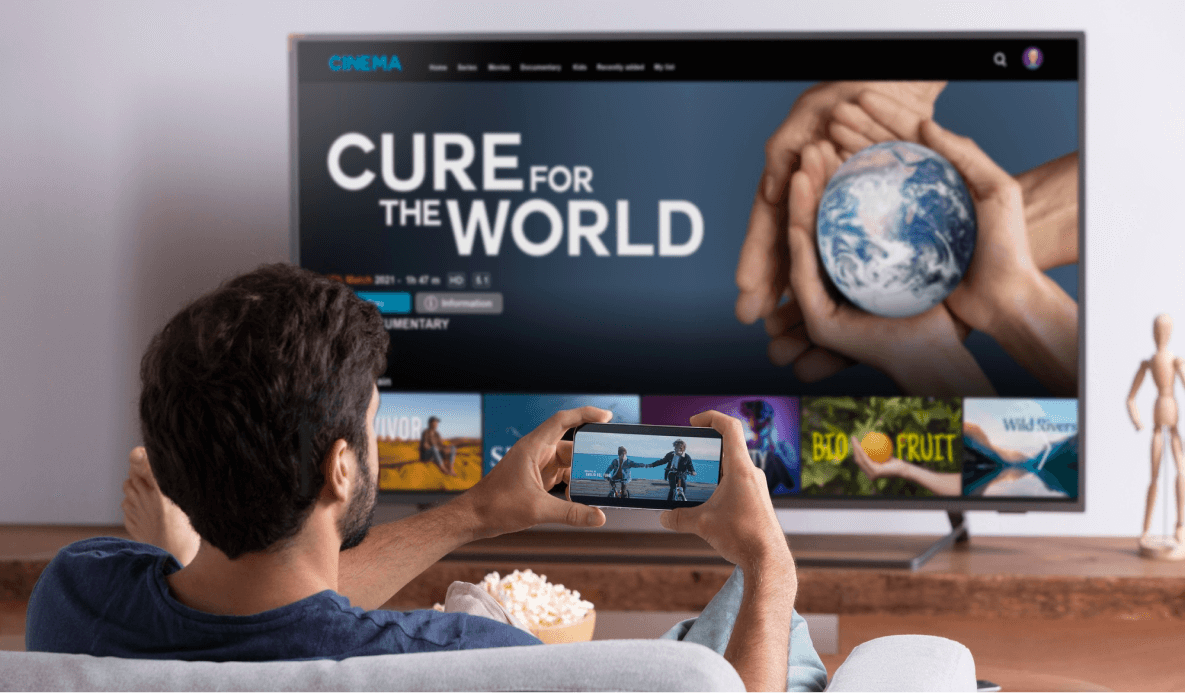
With so many streaming platforms available, including Netflix, Amazon Prime, Paramount+, and Disney+, and the rising trend of installing home movie theaters, more people are choosing to enjoy films in the comfort of their homes over commercial cinemas.
It’s A Win-Win!
Releasing your movies on streaming platforms expands the accessibility of your work, ensuring it reaches broader audiences.
Not only does releasing films via streaming platforms make life easier for audiences, it also makes your job simpler, by reducing the need for extensive promotional campaigns and eliminating worries of box office success — it’s a win-win!
#3
Celebrating
Diversity
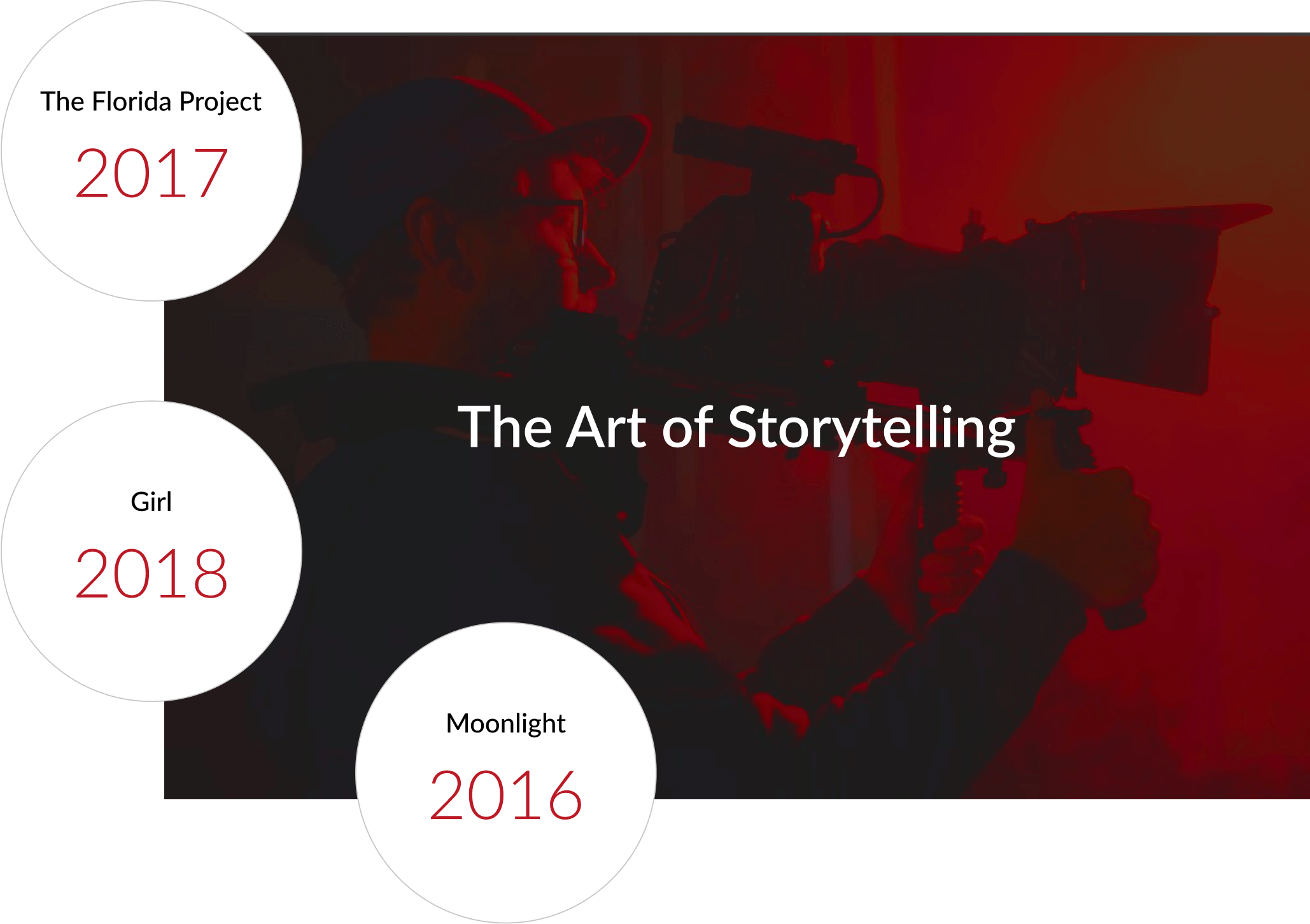
Audiences are seeking characters they can resonate with from a cultural, gender, racial, and/or socio-economic perspective.
Films including Moonlight (2016), Girl (2018), and The Florida Project (2017) are brilliant examples of how filmmakers captured complex narratives lived by different characters who have experienced specific challenges and situations that are intrinsic to their identities.
By ensuring your movies feature characters from all walks of life, you won’t simply offer audiences relatable content, but will also provide representation of otherwise underrepresented groups, helping people feel validated while offering valuable insights into the many complexities we as humans experience.
#4
Nostalgic Movies
and Reboots
Despite the many filmmakers striving for contemporary and innovative narratives, many are paying homage to iconic eras.

For example, films like Jonah Hill’s directorial debut movie Mid 90s (2018) captures the coming-of-age of a skateboarding teen living through 1990s America. While The Little Mermaid (2023) reimagines the 1989 classic animated movie as a live-action spectacle, bringing every animated scene to life through contemporary techniques.
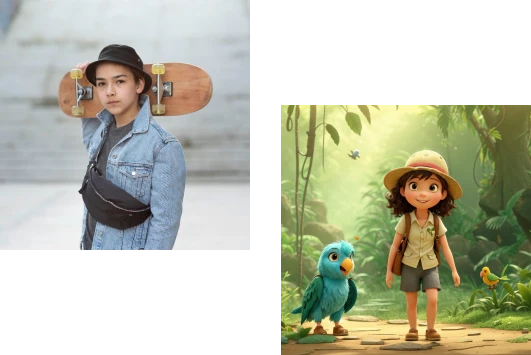

These types of movies are tremendous hits among audiences who lived through such eras and watched the old school classics. They also offer younger generations a glimpse into the past and provide opportunities to experience iconic classics in a fresh and modern light, ensuring they are more relevant and enjoyable for modern viewers.
#5
Short Movies
Features of social media platforms, like Instagram Reels, YouTube Shorts, and TikTok videos, have resulted in many people having shorter attention spans. This has subsequently resulted in an increased demand for bite-size content that consumes minimal time while delivering entertaining and impactful narratives.

For example, Disney Pixar’s short and sweet movie Bao (2018) tells a heartwarming family tale in just 8 minutes, allowing for quick viewing and easy sharing across online platforms.
Short movies aren’t just wonderful for audiences with shorter attention spans, they are also excellent for busy individuals, such as business people, with limited free time. They ensure everyone can enjoy a movie, no matter their schedule, providing a convenient and accessible way to enjoy cinematic storytelling.

#6
INTERACTIVE
PLOTS
Film and video games have a longstanding relationship with each inspiring the other. As the demand for immersive storytelling continues to surge, tons of films have surfaced with interactive plots, very similar to role player games (RPG).



For instance, the super popular Netflix original Black Mirror: Bandersnatch (2018) by Charlie Brooker is a perfect example of a film with an interactive plot. These unique and innovative movies allow audiences to develop their own narrative and experience a different outcome with each run through.
Technological Innovations Revolutionizing Production Processes

There are many forms of innovative technology that have paved the way for better quality and more captivating movies. By harnessing the latest tools and software, you’ll create a show-stopping movie that sets you apart from the rest.
Drones

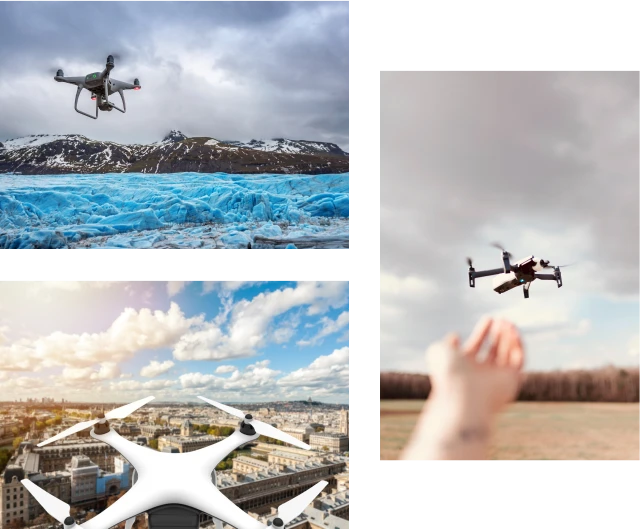
Drones are one of the most popular tech advancements used by filmmakers worldwide. Movies including Top Gun: Maverick (2022) and Ambulance (2022), are key examples of how filmmakers have successfully harnessed the power of drones to capture epic shots.

Drones-
Affordable Aerial Filming
They provide an affordable way to capture bird’s-eye aerial footage and consistent tracking shots, which traditionally required expensive equipment and vehicles, like helicopters. Drones also offer more flexibility and accessibility, especially if you’re filming in remote and dangerous areas
Artificial Intelligence (AI)
Another major technological advancement that’s rapidly transforming the film industry is artificial intelligence (AI).

Many filmmakers are using this revolutionary tech to touch up scenes and add computer-generated images (CGI). Its most popular application is altering actors’ appearances, particularly older actors playing their younger selves. An upcoming blockbuster called Here (expected 2024) is rumored to be using AI as a tool to ‘de-age’ lead actor Tom Hanks.


AI powered CGI is particularly favored among filmmakers because it’s much cheaper and quicker than standard special effects, like CGI and practical visual effects (VFX). In instances where flashback scenes are shot, it also eliminates the need to cast extra talent that resembles older actors.
Sound Design

Beyond the visual aspects of movies, sound design is also undergoing a huge makeover. As more audiences continue to seek immersive entertainment, many filmmakers are going the extra mile to ensure their work delivers an engaging audio-visual experience that completely engrosses viewers.


Immersive sound is the chief ingredient for a captivating film. It allows audiences to hear every tiny detail, making them feel like they aren’t watching the scene from a screen, but rather from within the scene itself.
From the trickling sounds of raindrops to background whispers and subtle footsteps, immersive sound brings every minute detail to life to create a surreal sensory experience.
By incorporating these remarkable innovations into your film, you’ll be able to create a cinematic masterpiece for less money and time, allowing you to produce high quality and impactful work seamlessly.

Exploring Filmmaking Financing Methods and Distribution Models

In order to create a magnificent film, you need money. Generally, the more money you have, the more creative freedom you have.
Beyond being a talented filmmaker, you also need to be a good business-person. When seeking funding for a film, you’ll run into lots of negotiations, contracts, financial planning, and marketing strategies; the more you know about the business side of filmmaking, the better prepared you’ll be when securing funding and making your vision come true.
In this section, we give you a crash course on the best financing methods and distribution models for budding filmmakers, so you can set forth and launch a successful project.
#1
Applying for
Grants and
Fellowships
Grants and fellowships are one of the most popular funding avenues for filmmakers because they provide free money taking no creative control over your project.
In order to get a grant or fellowship, you need to win over an organization. Beyond funding, grants and fellowships also come with helpful mentoring programs and networking opportunities that further support your journey.

Funding

Mentoring

Networking
It’s important to know that the application process for this type of funding can be super competitive, as you’ll likely be going up against other ambitious filmmakers. Here are our top tips to help you nail your proposal and secure funding:
Check What Grant You Qualify For:
Many organizations provide grants to specific types of filmmakers so it’s essential to double check you’re applying for the right opportunities. Common criteria include location, LGBTQ+, ethnic minority filmmakers, and special interest (such as horror, animation, or documentary).

Ensure You Follow Guidelines:
Funding organizations almost always have rigorous guidelines in place, such as formatting requirements and submission deadlines, to ensure applicants meet their criteria while upholding a fair application process. By adhering to each guideline, you’ll become a worthy candidate and get one step closer to life changing opportunities!

Create a Compelling Story:
Make sure you develop an unforgettable narrative that stands out and captures your chosen organization’s attention. Assess a gap in the movie industry and fill it with a fresh angle that addresses underrepresented topics/perspectives.

Present a Detailed Budget Plan:
Demonstrate just how responsible and serious you are by providing a detailed breakdown of your budget. This will show your project’s feasibility and justify essential costs while reassuring potential funders that their investment will be managed properly.

Showcase Your Previous Projects (If Applicable):
If you’ve created any previous work, such as a short movie or a video concept, compile a portfolio of your best projects to showcase just how gifted you are. This will demonstrate your credibility as a filmmaker and encourage potential funders to invest in your talent.

#2
Harnessing
Crowdfunding
Crowdfunding is an online funding method that involves seeking donations from audiences. It involves creating a community of supporters who are invested in your project’s success. In order to persuade people to back your film, you need to win over their hearts and build up excitement through emotional storytelling.
01 Create a Captivating Pitch

Your pitch is your chance to convince audiences to back your project. Emphasize your passion, communicate key messages, and showcase how unique your film will be. This will show potential supporters how worthy your project is of their donations.
02 Use Visuals
Enrich your pitch with visual aids, like a concept
trailer, to illustrate what your film entails and
captivate audiences. This will generate excitement
about your project, while further unfolding what your
film is about.
03 Reward Your Supporters

Make your supporters’ investments even more worthwhile by giving back to the community that’s funding your film. Offer bonuses like pre-release access, free merch, and even film credit mentions.
5 Crowdfunding Platforms Worth Checking Out
There are loads of brilliant crowdfunding platforms that have helped filmmakers bring their movie concepts to life. Here are the best sites worth checking out:

01
Kickstarter requires you to create a funding goal with a deadline. Funders will pledge money, and if you meet your goal by the deadline, you get to claim all donations. Kickstarter is among the most known crowdfunding sites that focuses specifically on creative projects, making it brilliant for filmmakers seeking to reach wide audiences while accommodating certain project needs.
02
Indiegogo lets you choose between flexible and fixed funding avenues. The flexible funding option allows you to keep all the funds you raise, even if you don’t hit your goal, whereas the fixed funding method collects money if you meet your goal. Indiegogo is super popular among filmmakers because of its helpful tracking tools that make it easier to manage campaigns.
03
GoFundMe lets you raise money for specific funding needs, making it superb for filmmakers short of cash in certain areas, such as equipment, editing software, travel expenses, costumes and props, etc.
04
Patreon uses a subscription-based funding model that allows supporters to pledge a monthly amount in exchange for exclusive content and rewards, like behind-the-scenes vlogs. It’s a fantastic way of fostering a solid community and establishing a consistent flow of income.
05
Seed & Spark is specially designed for filmmakers and creators in the film industry. Aside from crowdfunding, it offers a range of extra features, like distribution and audience-building tools. It’s perfect if you’re also after specialized support and helpful resources for your project.
#3
Getting Support
from Private
Investors
Private investors are another popular funding source for aspiring filmmakers. They can provide huge lump sums that cover most expenses, but they do come with a catch. Like all investments, the money offered to you isn’t free.

Most investors expect some form of return for their money, be it a share of your profits or equity in your film. These are elements you must be prepared to negotiate when proposing your project to prospective investors.
How To Find Private Investors
Here are the most effective ways of finding private investors for your movie:
1.
FILM FINANCING COMPANIES
Browse the internet for film financing companies that cater to independent filmmakers. These companies usually have eager investors on the hunt for promising projects they can be a part of.
2.
INDUSTRY NETWORKING
Industry events, like film festivals, networking mixers, master classes, and conventions, are saturated with investors, often scouting new projects. By attending these events, you’ll be able to mingle with potential investors and promote your upcoming project.
3.
SOCIAL MEDIA
Social media is among the best places to connect with investors. Platforms like LinkedIn, Twitter, and Instagram provide excellent opportunities to showcase your project, advertise funding needs, build valuable relationships, and engage with potential investors — you can even reach out to industry professionals for helpful guidance regarding funding!
#4
Independent
Distribution
Strategies:
Which Suits You?
Distribution is a fundamental aspect of ensuring your movie’s success. It’s what gets your project seen, allowing you to reach audiences and generate revenue. There are a few different types of distribution pathways to choose as a filmmaker.

The Theatrical Distribution
Big Hollywood blockbusters often go down the theatrical distribution route. This involves releasing movies in commercial movie theaters.

DVD Format
Direct-to-video distribution is when you skip the theaters and go straight to home video formats, like DVD. Because of streaming platforms, this model is pretty outdated now.
Video-on-demand distribution makes movies available for rental and/or
purchase on movie platforms. You can also access these films through
subscription-based platforms, like Netflix, Amazon Prime Video, Hulu, etc. A
wide range of filmmakers choose this pathway because it comes with wide
exposure, allowing your movie to reach global audiences!
If you’re creating an educational film, like a documentary, the non-theatrical distribution method is a likely choice. This involves distributing a film in relevant spaces, like film festivals, educational screenings, and community events.

#5
DIY Marketing
Techniques to
Achieve Community
Engagement
Many newbie filmmakers opt for DIY marketing methods because professional services are super costly. Luckily, there are tons of effective budget-friendly and free marketing strategies and platforms available that you can harness to promote your upcoming movie.

Before we get into the best marketing methods to use, you must create a clear and detailed marketing plan. This will help you reach the right audiences and generate a following for your movie. Here are the most important questions to reflect on when crafting a marketing strategy:
#6
6 Best DIY Marketing
Techniques for
Independent
Filmmakers
Here are the most impactful DIY marketing techniques you can harness to promote your upcoming movie:
01
1. Movie Posters
Movie posters are a classic marketing technique that has proven its efficacy over the decades. Contrary to the old saying ‘don’t judge a book by its cover’, a bold poster that captures your movie’s essence can actually entice potential audiences and encourage them to watch it.
marketing
02
2. Social Media
Social media platforms, like Instagram, TikTok, Twitter, and YouTube, are arguably the best free marketing tools. From posting behind-the-scenes content to sharing exclusive snippets and trailers, social media can make your film known online, while creating a community of fans.

marketing
03
3. Email Marketing
Keep interested fans and industry contacts up-to-date through regular email marketing. Send weekly, monthly, or bi-monthly newsletters with updates and exclusive content to keep your audience engaged and ensure your movie is at the forefront of their minds.

marketing
04
4. Collaborations
Consider collaborating with brands, bloggers, local businesses, and content creators to reach a wider audience.

marketing
05
5. Film Festivals
Submitting your film to film festivals will get your project out there, allowing you to promote your work among film fanatics and industry professionals.

marketing
06
6. Local Screenings
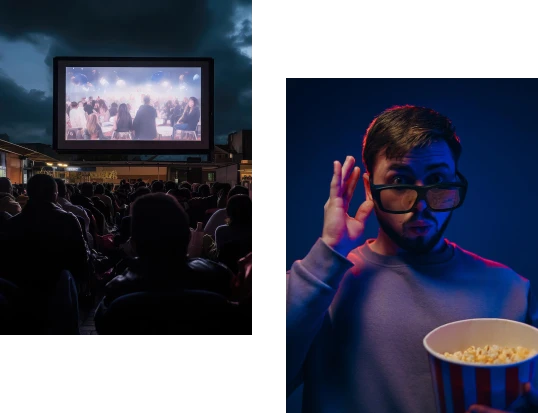
Create a buzz among your local community by screening your film in local cinemas.
marketing

Success Stories in Alternative Filmmaking

There are loads of fantastic films that started out small before blowing up in the film industry and making millions! Here are the greatest success stories to inspire you to set forth as a filmmaker:
1999 1999 1999 1999 1999
The Blair Witch Project
Directors : Daniel Myrick & Eduardo Sánchez
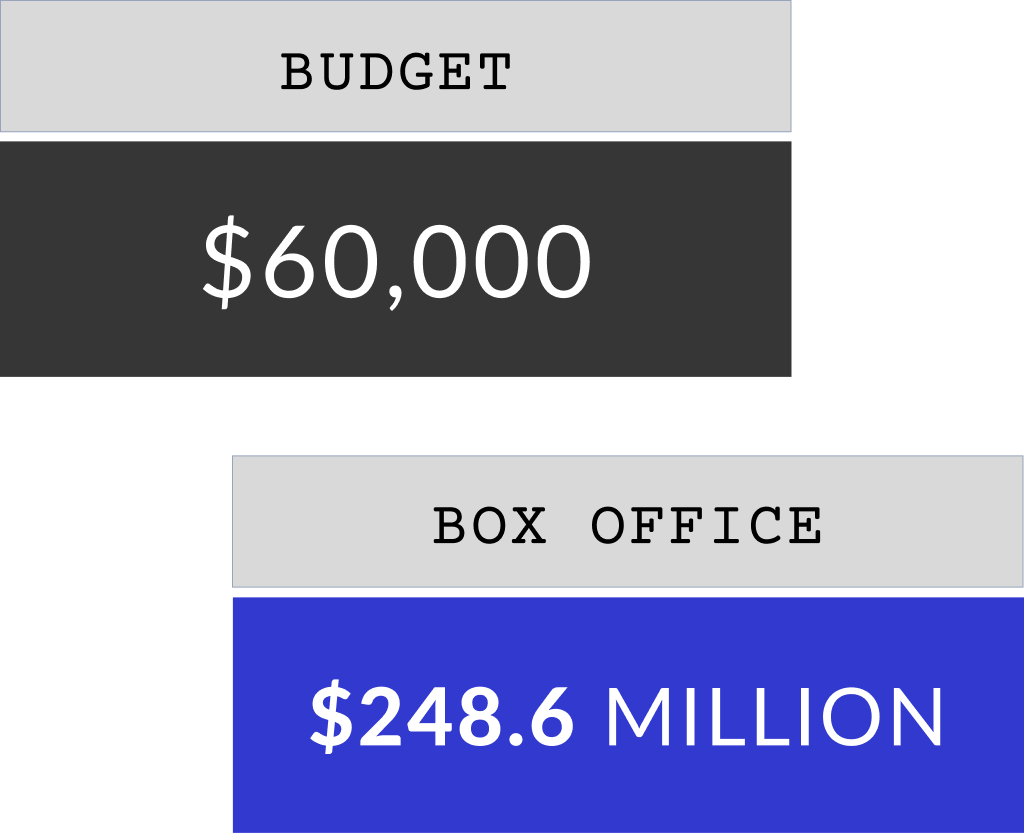
Telling the chilling tale of filmmaker students trying to find a spooky urban legend, The Blair Witch Project (1999) was the first found footage movie of its kind. Despite having a tiny budget of just $60,000, this gripping horror went on to collect a whopping box office of $248.6 million worldwide!
Crafted in just 8 days with an unfinished script, The Blair Witch Project defied all the odds and became a cult classic among horror movie lovers. It shows us just how impactful a unique idea and clever marketing can be, when generating a successful film.
2004 2004 2004 2004 2004
napolean dynamite
Director : Jared Hess
Napoleon Dynamite (2004) is a quirky comedy about an unusual teenager (Jon Heder) whose life becomes somewhat inconvenienced by his grandmother’s unforeseen injury, leaving Napoleon stuck with a new parent-figure, Rico (Jon Gries) who disrupts his daily routine.
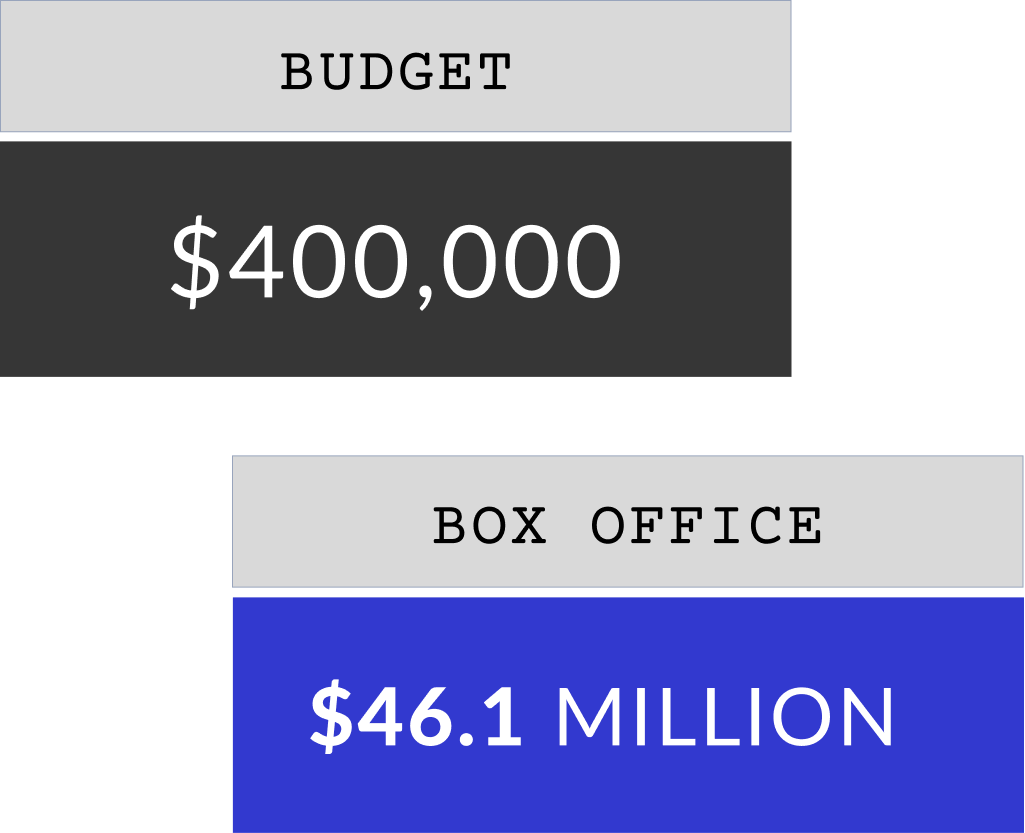
This unique indie film had a small budget of $400,000 and was single-handedly edited in producer Jeremy Coon’s home with Adobe FinalCut Pro.However, all the hard work certainly paid off, as Napoleon Dynamite won the hearts of audiences across the world, and generated a staggering $46.1 million in the box office!
2016 2016 2016 2016 2016
Moonlight
Director : Barry Jenkins
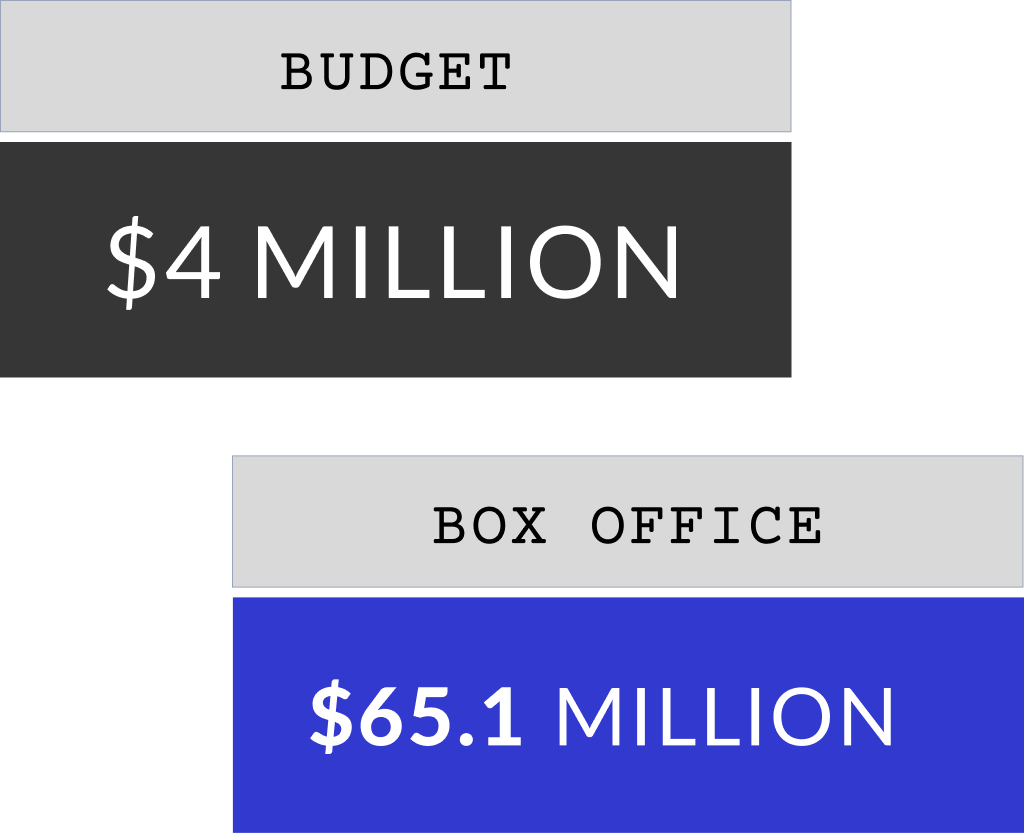
Moonlight (2016) provides a remarkable insight into the trials and tribulations that come with being Black and queer teenager. This pivotal movie cost $4 million, despite an initial tight budget of just $1.5 million. It later cashed in an impressive $65.1 million worldwide and even got nominated for an Oscar!

Navigating Career Opportunities in the
Film Industry
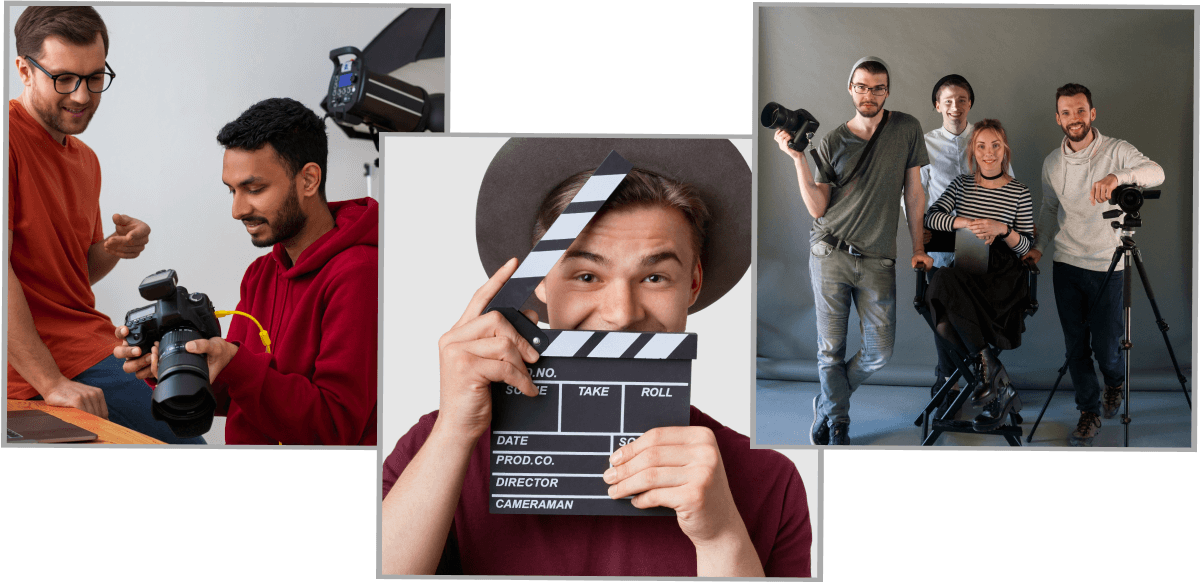
There are many brilliant ways to get your foot in the film industry. While it’s not essential, a film related university degree, such as film production, visual arts, and filmmaking, will certainly equip you with essential skills and knowledge needed to establish a steady path toward success.
Aside from formal education, you can attend filmmaking workshops and classes at your local community center or film school to learn the ins and outs of filmmaking. You can also find mentorship programs that connect you with industry experts who can guide you and offer valuable advice and industry insights.



Alternatively, consider applying for internships and film-related jobs, like being an on-set runner or production assistant. These roles will provide you with first-hand insight and experience in the film industry, while presenting endless networking opportunities and avenues for professional growth.
Embracing the Power of Data and Analytics

Know Your Audience for Marketing Success
The best way to ensure your marketing efforts are successful is by knowing your audience. Conducting market research, like focus groups, surveys, and social analysis, will provide valuable insights that will inform major decisions and ultimately help you develop an impactful film and promotional campaign that resonates with your target demographic.


Predictive Analytics for Film Trends
Predictive analytics and trend forecasting, like box office trend analysis and audience behavior modeling, can also help you stay ahead of foreseeable trends and decide key factors, like what genre is on the rise and when it’s the best time to release your film.
Adapting to Industry Disruptions and Challenges
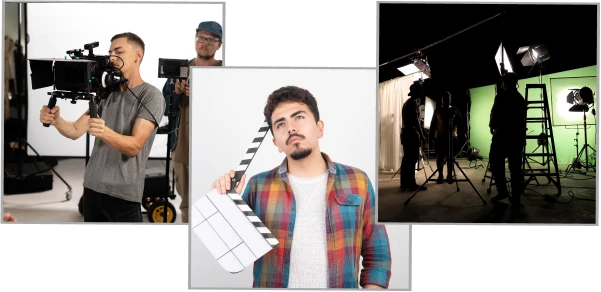
There are many changes in the world which are affecting the film industry…
#1
Environmental
Responsibility
The ongoing push for sustainability, is encouraging more filmmakers to opt for more environmentally friendly production methods, like using digital film instead of traditional celluloid film, implementing eco-friendly transport, and keeping waste to a minimum.

Digital Film

Traditional Film
Many filmmakers are also addressing environmental change in their narratives, in an attempt to highlight issues and educate audiences about sustainability and conservation.
#2
Regulatory
Changes and Legal
Considerations
Content classifications (such as age ratings) and diversity laws are just a couple examples of ongoing regulatory changes impacting the film industry. Ensuring you constantly revise legal requirements and ensure your movie adheres to new and existing regulations will ensure you craft a fully compliant movie that can be released without any legal implications or penalties.

General Audiences

Parental Guidance

Parental Strongly Cautioned

Restricted

Clearly Adult
#3
Ongoing Budget
Constraints
Caused by
Inflation
The film industry has taken a major hit due to inflation. As the costs of equipment, software, and talent continue to rise, budgets are becoming more constrained.
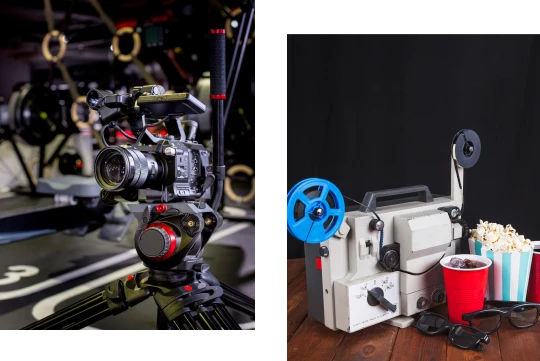

To combat rising costs and keep expenses to a minimum, consider seeking help from friends, family, and volunteers. Rather than paying for professional services, you can also take matters into your own hands by turning to DIY methods, like creating props, editing, and even acting if you have the skills!



Future Perspectives and Industry Outlook
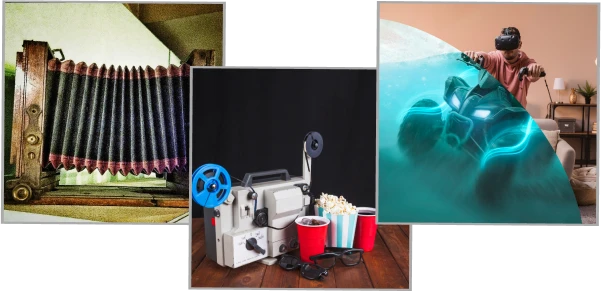
Glancing into the future, it seems experimental filmmaking is set to reach new heights
From embracing technological advancements, like AI, to exploring unconventional storytelling techniques, such as interactive storytelling and non-linear plots, the new generation of filmmakers, including yourself, are believed to be the next pioneers of cinematic innovation, setting the stage for new advancements!
Conclusion
The future of filmmaking is a boundless realm with many fantastic opportunities for aspiring filmmakers like yourself.
By navigating the ins and outs of the industry through insightful mentorship, hopping on the bandwagon of upcoming trends, harnessing all the available resources (including networking events), and constantly perfecting your skills, you’ll become a successful filmmaker in no time; who knows, maybe one day your film will become a major blockbuster too!

Remember to always embrace change and seize as many opportunities as you can to ensure continuous growth and enhanced prospects in this ever-evolving world. From technological advancements, such as AI-powered technology, to experimenting with unique storytelling techniques, the potential for innovation in the film career is truly limitless.
As you set forth on your wondrous journey toward success, remember that you are the next generation of cinematic pioneers who will one day inspire and support the new wave of creatives!