

Home vs. Theater
Where Do Americans
Prefer To Watch Movies?

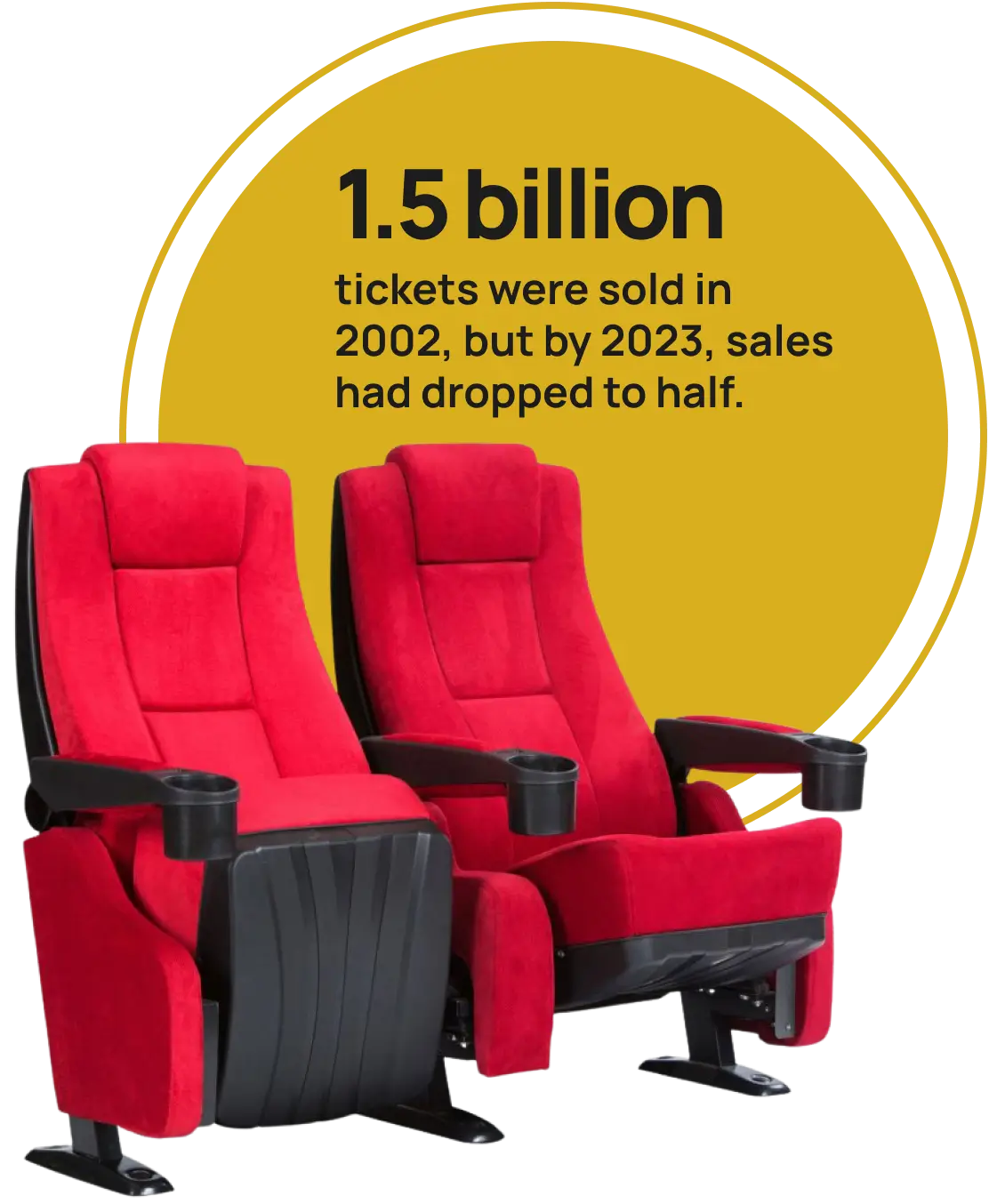
Movie ticket sales have yet to return to pre-COVID levels. In 2023, the U.S. and Canada saw roughly half the 1.5 billion tickets sold in the busiest box office year, 2002.
In addition to the pandemic, the glut of home streaming options, improved TV picture and sound, and new releases that skip the cinema in favor of streaming make the theater less attractive to many.
We surveyed Americans to find out their movie-going habits, to see who is still visiting the cinema, and to learn what it would take for theaters to survive in the era of stay-at-home streaming.

scene


Key Findings
HOME VS THEATER
72% of Americans would go to movies more often if ticket and concessions prices were lower — a sentiment that all generations share:
Gen Zers go to the movies more than any other generation, with 33% going several times each month.
Millennials enjoy watching movies at home more than any other generation, with 7 out of 10 watching movies at home daily or multiple times throughout the week.
Only 16% of Americans have a movie theater subscription, but half of them only use that membership a few times per year.
57% of all Americans sneak food into the theater to save on concessions costs.
- 67% of Gen Zers do this, compared to only 48% of baby boomers.
Action movies dominate the theater experience, with 40% of Americans favoring this genre over all others when heading to the big screen.
97% of Americans prioritize picture and audio quality when deciding whether to go to the theater or watch a movie at home.
Most Americans Prefer Watching Movies at Home

63% of Americans watch movies at home daily or several days per week — a figure that remains consistent across all generations:




A mere 1% of Americans almost always go to the theater and rarely watch movies from home. Even though many people still venture to the theater, the failure to return to pre-pandemic ticket sales numbers has some predicting the end of cinema.

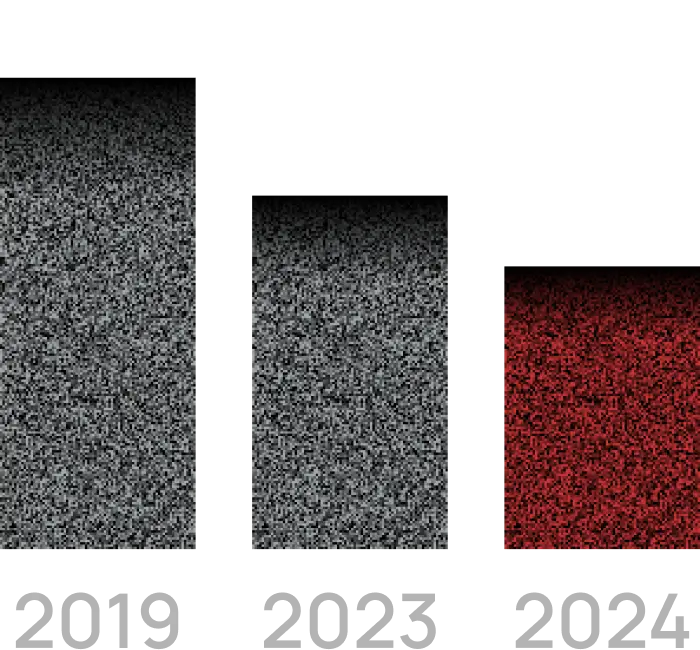

These figures might suggest problems for the theater business, but the data also says the movie production industry is still strong overall. People are simply consuming their movies at home instead of on the big screen.
The Social Component of Movie Watching
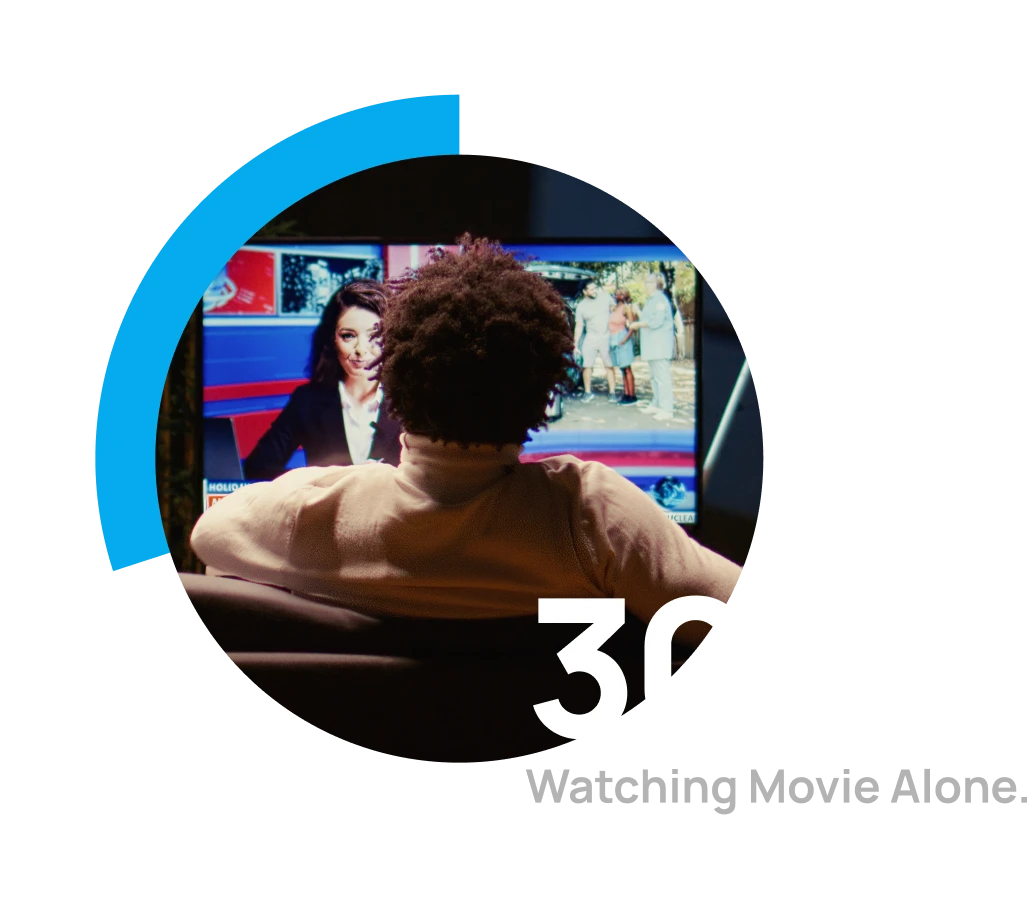
Overall, only 30% of home movie viewers usually watch alone.
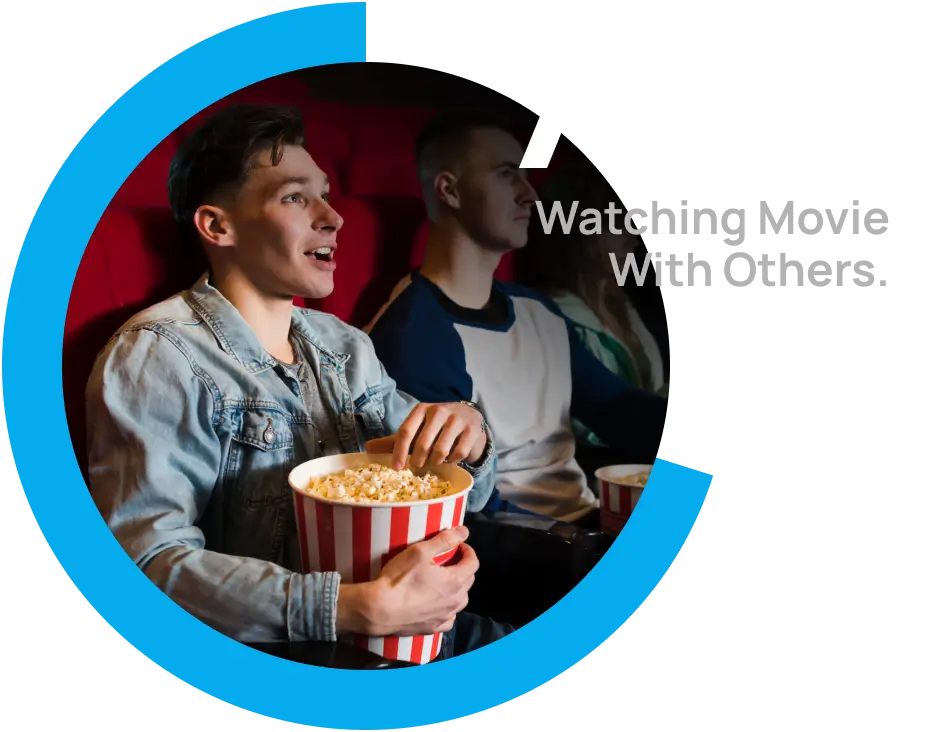
70% watch movies with family, friends, or a significant other.
Additionally, younger generations — especially Gen Zers — are more likely to be social viewers than older ones:
Even though most Americans watch movies at home, it’s clear they still prefer a social experience similar to a theater. Perhaps the ability to choose your movie partners at home is an important factor.
Also, there’s less concern at home for bothering others when you check your phone, get up to use the restroom, find more snacks, or sprawl out on the sofa or chair.
scene

Theaters Lose Appeal Among Older Generations
HOME VS THEATER
Today, older Americans see fewer movies in the theater than their younger counterparts — despite having to go to the theater for new releases when growing up.
Overall, only 13% of people go to the movies a few times per month, with 4% going weekly. For baby boomers, these figures are 6% and 1%, respectively.
Unique Problems with the Theater Experience
The tradition of movie-going — along with the picture quality, sound, and social aspects of the cinema — isn’t enough to get viewers, especially from older generations, to turn off Netflix and head to the theater.



But are there parts of the theater experience actively keeping people at home?
1.
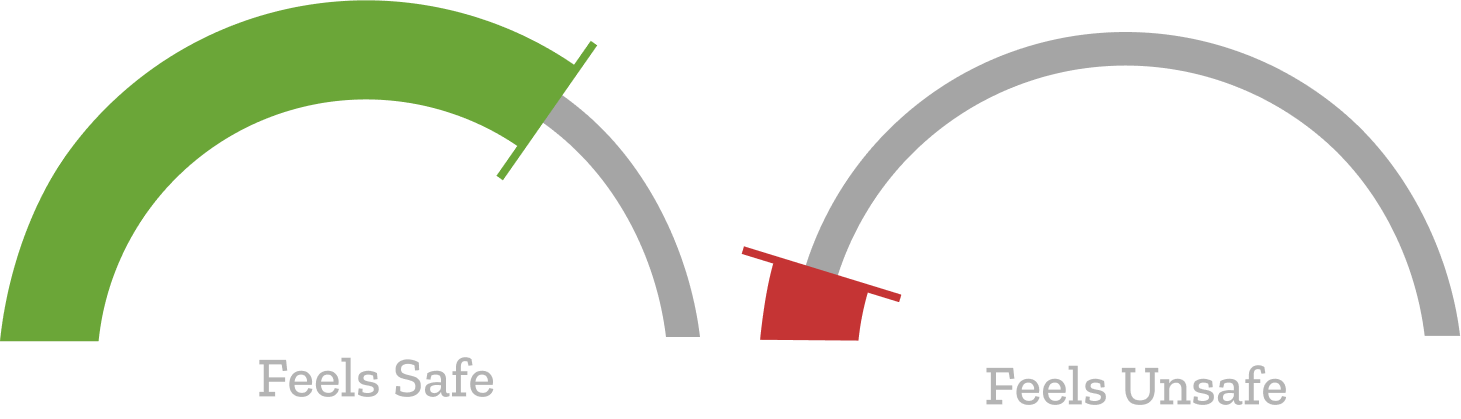
Safety wasn’t a huge deciding factor, with 77% of people feeling safe in movie theaters and only 7% feeling unsafe.
2.
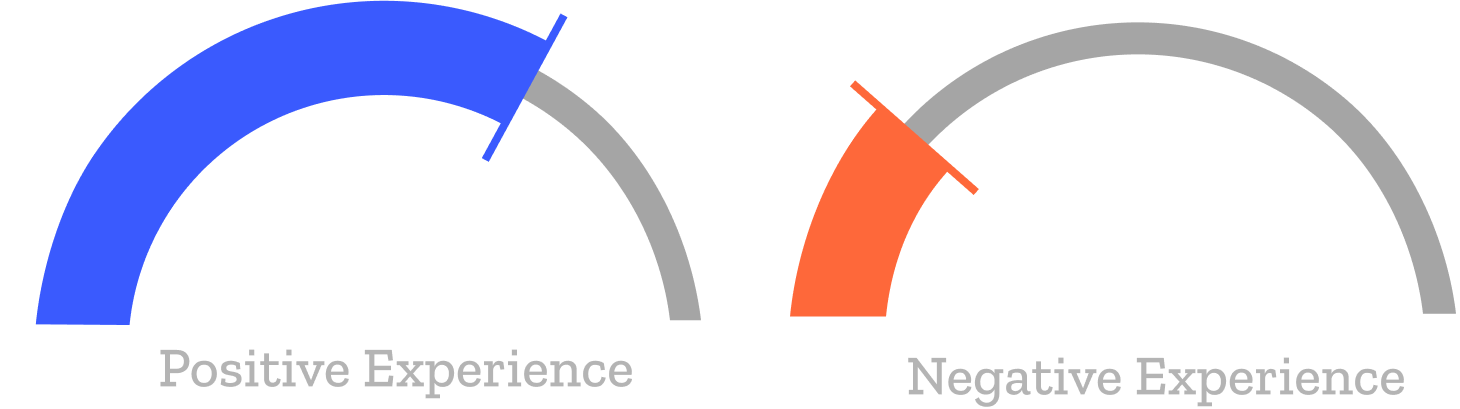
Parking was also not a big issue, with 72% of movie-goers having a positive experience with this at their local theaters. That said, it’s a hassle for 21%
3.
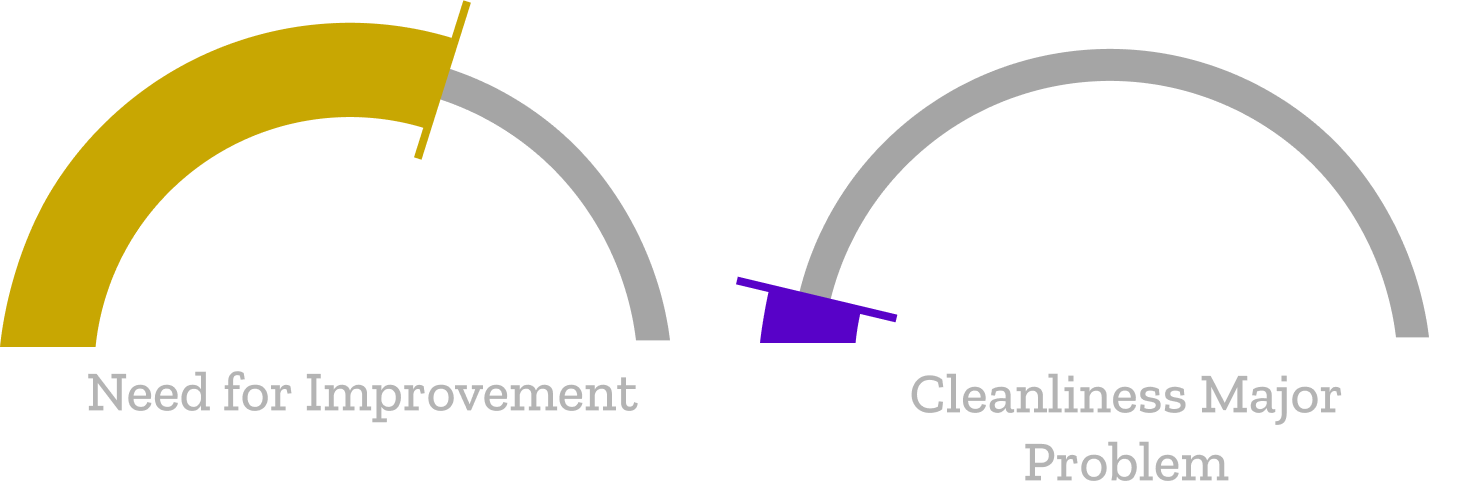
Cleanliness was a bigger concern, with 59% pointing to occasional issues or the need for improvement. However, only 4% consider cleanliness a major problem.
Gen Z is most likely to have issues with cleanliness, with 68% having problems at their local theaters.
None of these issues seem to be major deterrents in and of themselves. It could be, though, that multiple minor hassles or problems could be enough to keep people away from visiting the theater.
scene


Action and Adventure Movies Are the Most Popular Theater Experience
HOME VS THEATER
Certain kinds of movies will get people off the couch and into the theater. Viewers are significantly more likely to go to the cinema for an action/adventure blockbuster (40%) than for a drama (5%) or comedy (7%).



Exact preferences vary by generation:
Baby Boomers
Baby boomers are split between action/adventure (26%) and drama (25%) in the theater.
Gen Xers
Gen Xers prefer action/adventure movies (37%).
Millennials
Millennials like action movies too (31%), but 25% also enjoy seeing horror movies in the theater.
Gen Z
Gen Zers choose action (40%) and horror (32%) movies.
All in all, Americans find that going to the theater is worthwhile for certain movies — like blockbusters or films that would be more enjoyable to watch with higher picture and sound quality. In other words, the cinema experience matters more for some movie genres than others.
But how do people actually learn about the latest releases hitting the big screen?
Baby Boomers
Baby boomers pick their next movie from a commercial (39%) or word-of-mouth recommendation (21%).
Gen Xers
Gen Xers rely on commercials (30%) but also get inspiration from trailers in the theater or on YouTube (22%).
Millennials
For millennials, social media (28%) reigns supreme, with trailers (27%) following close behind.
Gen Z
Gen Z relies more heavily on social media, with 47% finding their next movie on social platforms. Trailers (25%) and commercials (12%) are distant second and third sources.
Another challenge for movie companies and theaters seems to be the need to advertise across different channels to reach their entire audience.
scene


Cheaper Theater Prices Could Boost Attendance
HOME VS THEATER
Even if they prefer the picture, sound, and excitement of movie theaters, movie fans have to contend with the higher costs of tickets compared to streaming movies at home. What if theaters found a way to lower their ticket and concession prices? Would streamers go back to the big screen?

72% Americans,
In short, yes. An overwhelming 72% of Americans would go to movies more often if prices were cheaper.

This figure remains fairly consistent across generations, though older generations are less likely to feel this way than younger ones:




Lower prices could have a positive impact on attendance in each generation, though it seems baby boomers still prefer the comforts of home more than others, even if theaters were less expensive.

High Concession Prices Lead to Secret Treats
Cost issues go beyond the price of tickets. You can’t forget about the price of concessions.
57% Moviegoers
57% of moviegoers rely on the old trick of sneaking their own snacks into theaters to get around this. But some Americans are more likely to do this than others:


So while baby boomers are the most likely to avoid movie theaters because of the ticket cost, they’re not as concerned about the cost of concessions.
Do Subscription Programs Encourage Theater Visits?
Concessions aren’t a required expense at the theater, but ticket costs are unavoidable.

Some theaters offer a subscription option where subscribers can get as many tickets per month as they want for a set fee. Does this option succeed in merging the cost-effectiveness of streaming with the big-screen cinema experience?

Not really. Overall, only 16% of Americans have such a subscription, and half of them only use their membership a few times per year.
Subscription rates are low across all generations:
Frequent theater subscription use would address concerns about ticket prices; after all, the more you go, the less you pay per movie. However, subscription numbers are not only low — they’re also used infrequently. Other factors must be keeping movie watchers at home.
scene

Americans Want a Premium Experience
HOME VS THEATER

78% Americans watch movies at home.
Why do a majority of people choose to stay home to watch movies? Overwhelmingly, cost and comfort — these two things alone are the most important reasons 78% of Americans watch movies at home.
Other factors trail far behind:
Despite this, there are some things movie theaters offer that even a state-of-the-art TV and the most comfortable sofa can’t.
When choosing a theater over a home movie experience, the following factors are most important to movie-goers:



Tradition and nostalgia are powerful forces as well, serving as the second or third most important factor for more than half of movie-goers.
However, factors like comfortable seating, movie quality, and social experience also stood out as reasons to choose the theater over the television.
High-quality Picture and Sound Are Paramount

By far, the most important reason people opt for the movie theater is the better audio/visual quality. A whopping 97% of Americans feel picture and audio quality are important in deciding where to watch a movie.
Interestingly, this is one of the few areas where theaters can still beat even the best home entertainment systems.
Comfort Matters

Comfort is one of the top reasons people choose to stay home. While theater seating may not fully match the comfort level of lounging at home, it’s an area where theaters can compete with the home viewing experience.
Overall, 60% of people think comfortable seating is extremely or very important to their decision about whether to see a movie in a theater or stay home. An additional 31% of people think seating is somewhat important, though not a deciding factor.
Premium Seating That Rivals Home Comfort
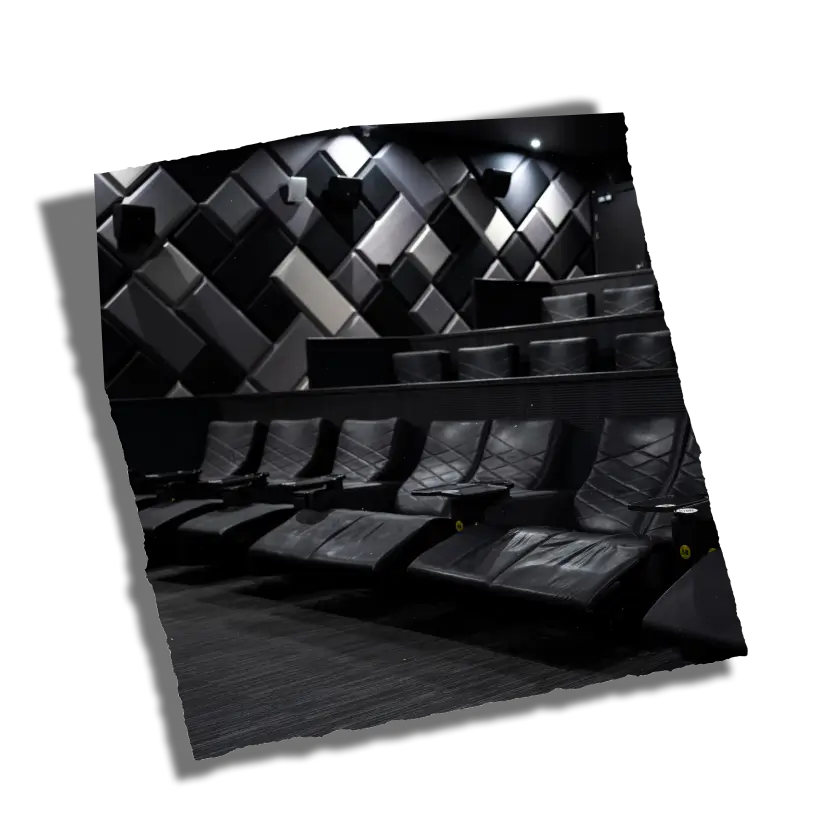
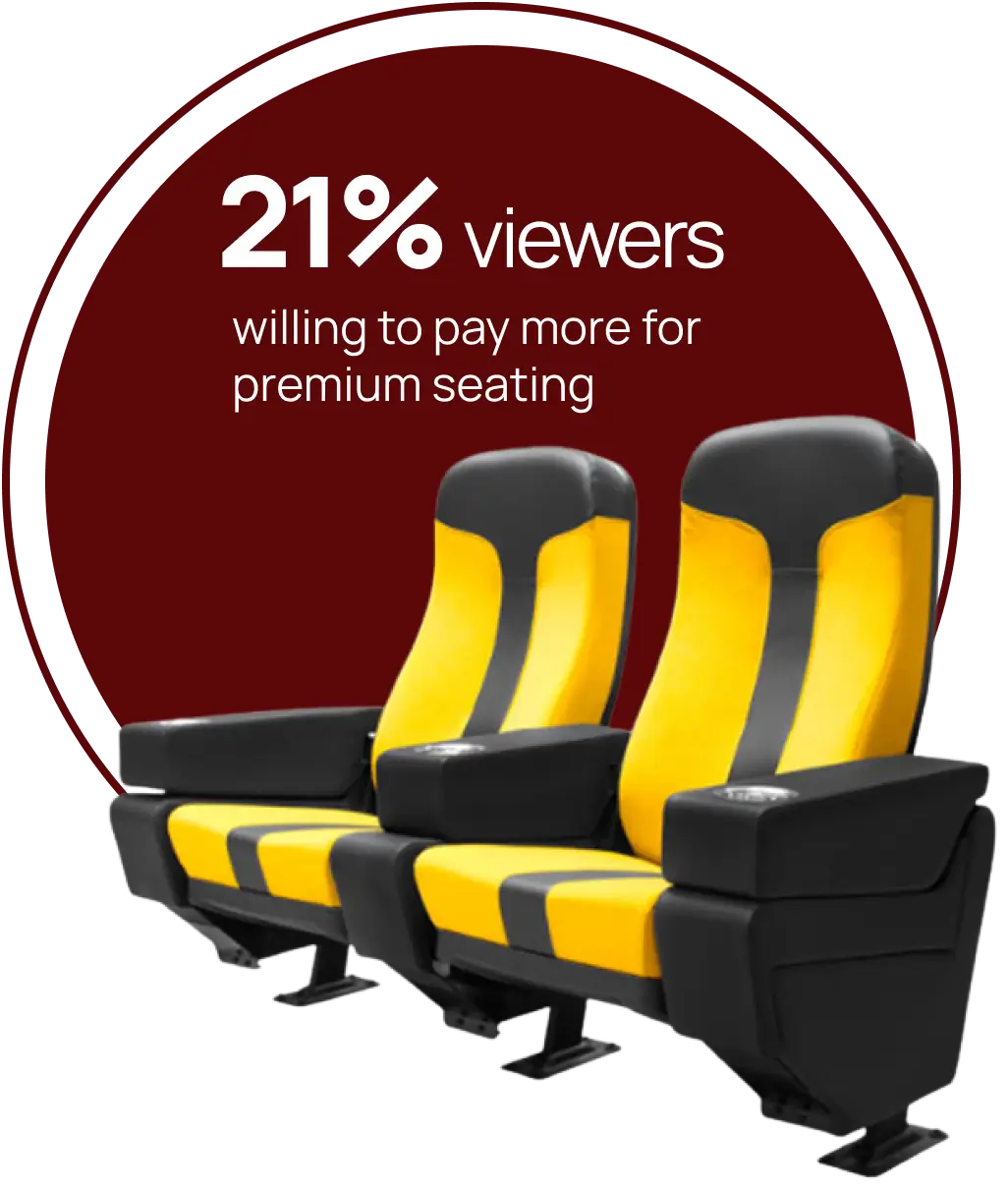
With stadium-style seats with cup holders or VIP seats, theaters can compete with most home sofas and recliners. After all, 21% of movie watchers would pay more for premium seating. If theaters can deliver on a premium and comfortable experience, viewers may be more willing to spend money on tickets and concessions.
Viewers Want Minimal Distractions
66% of Americans prefer home movie watching because it lacks theater distractions like talking, coughing, or cell phone use. This figure jumps up to 72% for baby boomers, making them the most sensitive to distractions during movies.
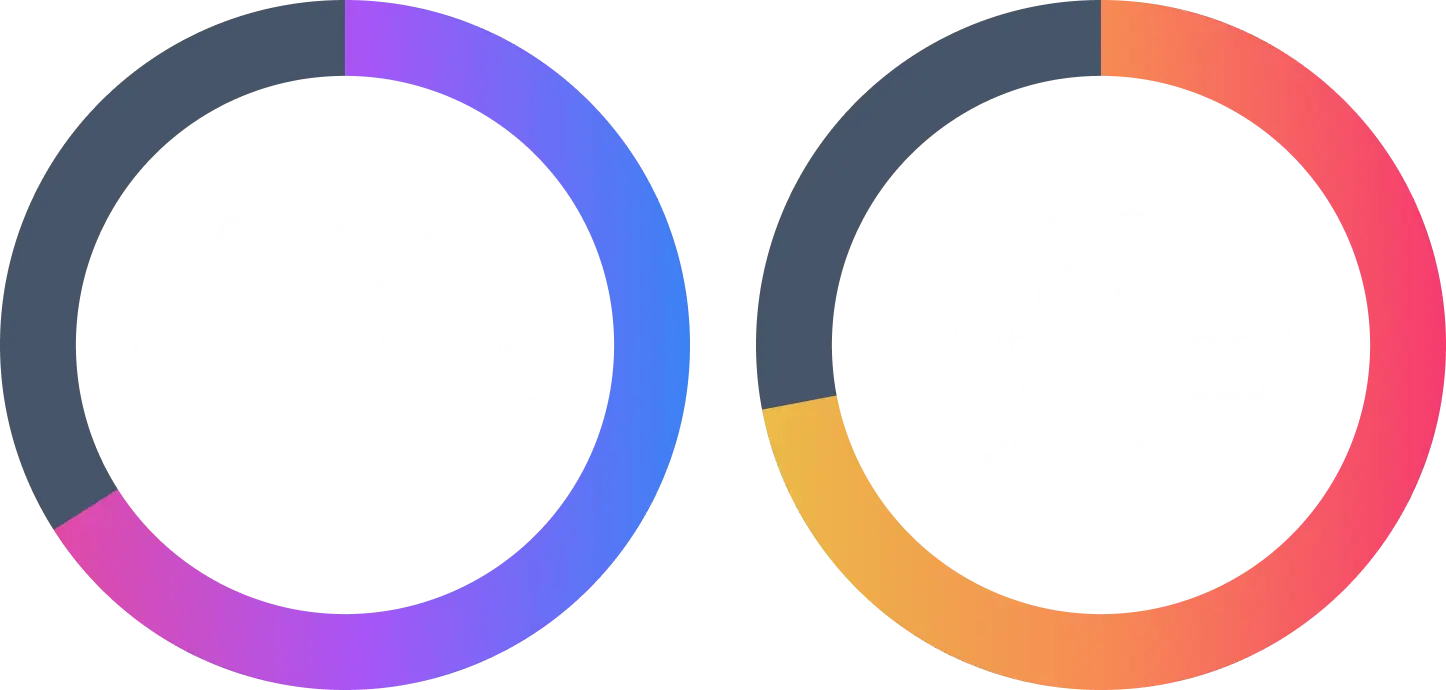
Self-imposed distractions, like grabbing more popcorn or taking a bathroom break, seem to be less of a concern. A short intermission during the movie would allow for this, but most movie-goers don’t think it’s a good idea:
What about falling asleep at the movie theater and missing part of the show you paid to see?

Home Comfort Wins for Many Movie Watchers
This ends up being a non-issue for most, with only 25% saying they prefer to stay home for this reason. However, 35% of people who usually stay awake still prefer to stay home because it’s more comfortable, especially if you’re able to enjoy the experience in La-Z-Boy-like recliners and lounge chairs.

25% of people prefer staying home due to comfort.

35% of those who usually stay awake still choose home for a more relaxing experience.
Nothing Beats Access to Home Amenities
Theaters can’t compete with the freedom of home. 41% of movie watchers stay home so they have the flexibility to drink alcohol, smoke, or vape during a film.

Freedom to drink

Smoking

Vaping

This issue is especially important for Gen Z viewers, with 52% staying home to drink or smoke while watching a movie. This is a stark difference from baby boomers, with only 29% wanting this option.

In some areas, to entice these viewers, theaters can and do serve alcohol (though vaping and smoking indoors still aren’t an option). Alongside this, a diverse and larger concessions menu could potentially draw new business to the theater.

Americans would consider more trips to the theater if concessions included



Ultimately, the question would be whether these extra offerings would be a worthwhile investment if viewers would ultimately stay home anyway.
scene

Commercials and Password Policies Shift Habits
HOME VS THEATER
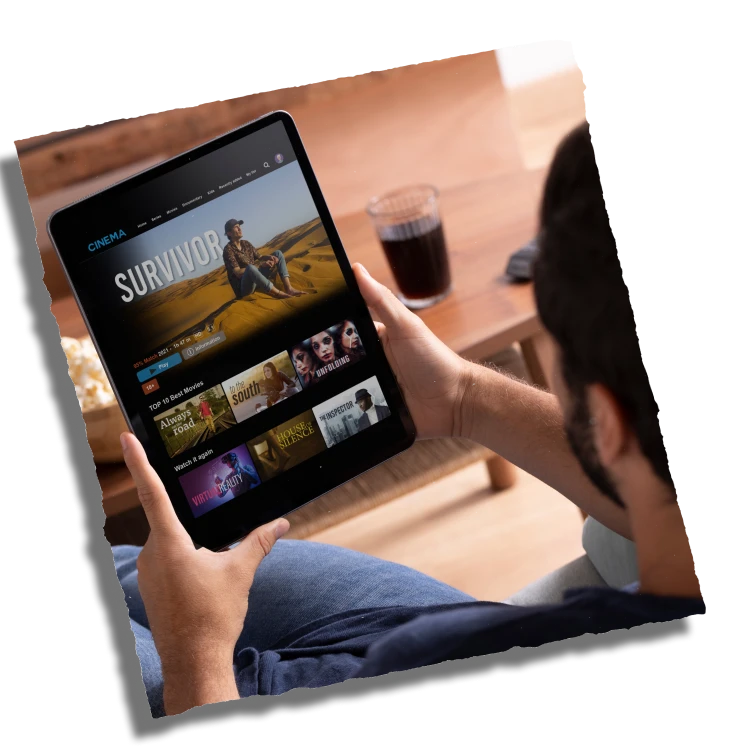
That said, streaming services aren’t perfect, and many platforms are making changes that sour the home viewing experience — at least for some Americans. However, it depends on who you ask:
50% – Baby boomers
Half prefer the lower costs of ad-supported memberships, but only 13% pay for ad-free platform use.
42% – Gen X
About 42% are willing to trade ads for cheaper prices, with 18% paying more to avoid commercials.
47% – Millennials
47% tolerate ads, with 16% paying for premium streaming.
43% – Gen Z
43% accept ads to lower subscription costs, but 27% still pay more for ad-free options.
New ad-supported streaming subscriptions give thrifty viewers a cheaper option if they’re willing to sit through commercials during their movie.
Ad-supported plans are popular across all generations, but a significant minority, especially among younger viewers, still prefer ad-free options instead.

Password sharing makes streaming even more affordable. However, more and more platforms are cracking down on this practice, forcing people to pay for extra viewers or get separate subscriptions.
But do these streaming changes actually inspire anyone to cancel their subscription and go back to the movies? Yes, but the impact is limited, with 52% reporting no impact at all on their streaming habits.
Here’s how each generation responded to changes in streaming services
Baby Boomers
reduced streaming, 10% opted for ad-support plans, and 4% chose more theater visits.
Gen X
canceled or reduced streaming subscriptions, and 13% pay less via ad-supported or shared accounts. Only 2% took more trips to the cinema.
Millennials
13% reduced streaming, and 15% went for ad-supported plans. 7% replaced streaming with more trips to the theater.
Gen Z
reduced streaming due to higher costs, with 15% exploring cheaper options. Only 5% returned to theaters to avoid extra expenses.
Though a small minority of streamers are headed back to the theater, most are unaffected or find ways to work around added costs. This means something else keeps Americans tied to streaming services, even if they dislike recent changes.
scene


Streaming Services Offer More Preferred Titles
HOME VS THEATER
One of the reasons people may refuse to cancel their subscriptions? The sheer variety and number of available movie options.
Streaming services often have several thousand titles. Not all of these are new releases, but many may be series or movies any given viewer hasn’t seen before. By comparison, there were 504 major movie releases in the U.S. and Canada in 2023, down from the pre-COVID peak of 872 in 2018.
Despite their preference for the multitude of movie choices at home, Americans keep an open mind about new releases in the theater.
The problem with having so many choices online is that it can take longer to find something you want to watch. A similar issue can plague theater-goers who need to choose a movie they’ll like because of the higher cost and time commitment involved in visiting the theater.
The movie selection process varies depending on age, perhaps reflecting differing approaches to movie viewing:

Baby boomers
baby boomers take between five and 10 minutes to choose a film. However, 20% don’t waste any time and decide what to watch in advance.

Generation X
Gen Xers take between five and 10 minutes, but 21% take 10-20 minutes. Only 11% choose a film before turning the TV on.

Millennials
millennials take five to 10 minutes with their film choice, with 29% in the 10-20 minute range, and only 7% making a decisive call before turning on the TV.

Generation Z
Gen Zers take five to 10 minutes and 43% need between 10 and 20 minutes to make a movie choice. 10% turn on the TV with a movie in mind.
These numbers reveal a dark side to having so many streaming titles to choose from: frequent movie watchers, especially those in Gen Z, could lose an hour or more per week if they’re indecisive about their viewing choices.
Early Digital Releases Encourage Home Viewing
Recently, production companies have sought to take advantage of new-release buzz by moving their films to streaming quickly. This takes away one of the biggest traditional advantages movie theaters enjoyed: having exclusive rights to new movies for months before they’re available elsewhere.
Do limited theater-only runs or simultaneous releases on big and small screens keep more people out of the theater?
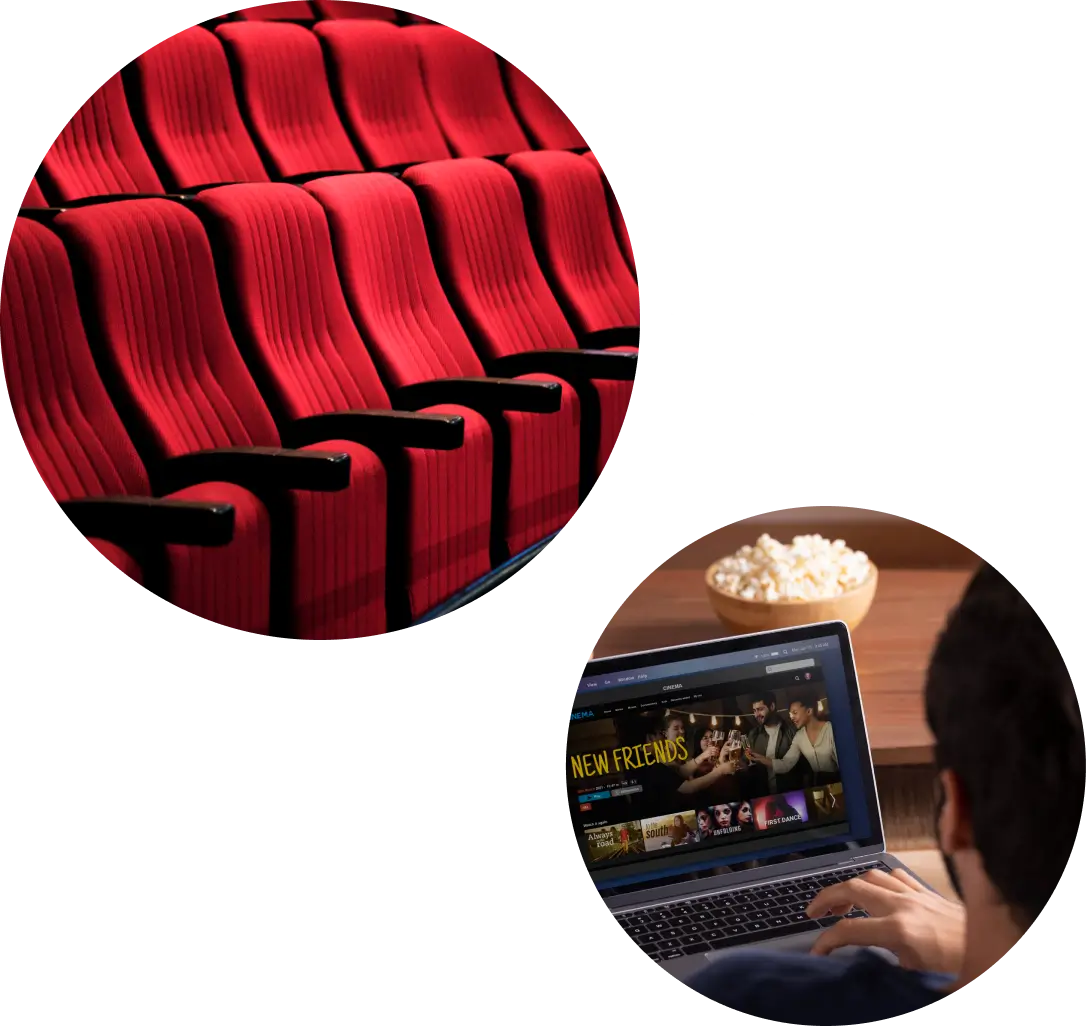
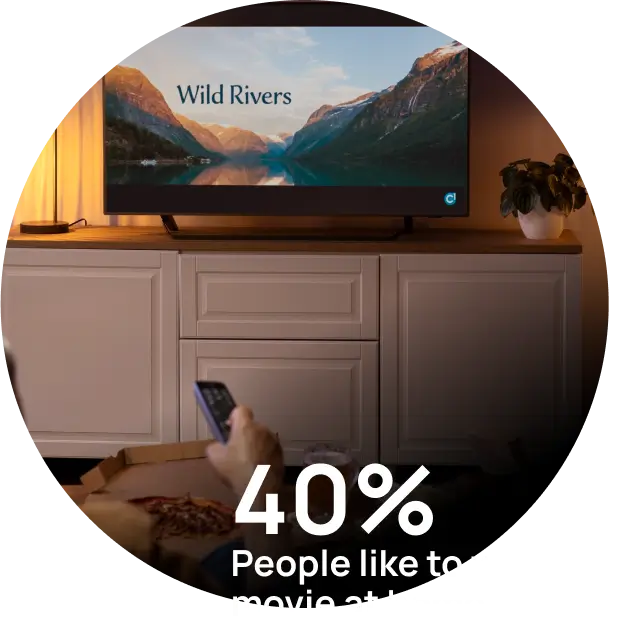
Overall, 40% of people are likely to watch new releases from home if they don’t have to wait too long. An additional 29% would consider waiting.
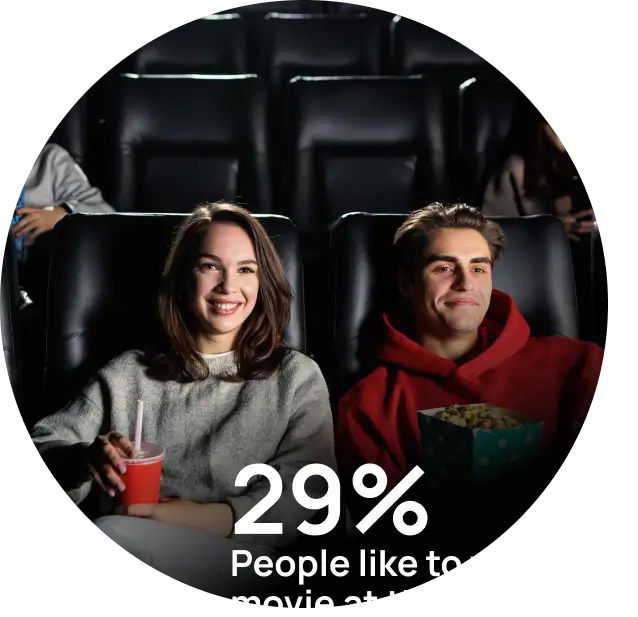
However, there are some generational differences when it comes to streaming new releases at home:
It seems that older generations still prefer the comfort and convenience of home rather than the opening weekend experience of a new movie release.
Charging customers an additional fee to stream new releases is another way movie companies are trying to protect their profits. But this method doesn’t necessarily work, as only 26% of Americans will pay for this more than once per month, and an additional 36% never do.

Of course, there are generational differences here too:
Though baby boomers largely avoid paying for new releases, a majority of viewers either avoid the practice altogether or reserve it for rare movies they really want to see.
scene

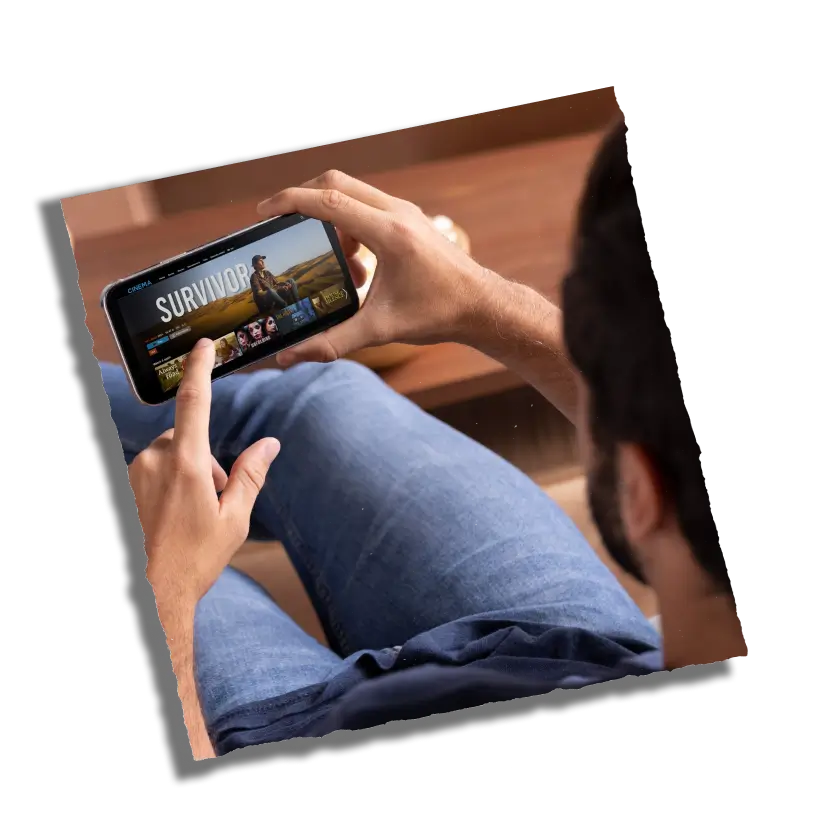
Younger Generations Embrace Mobile Viewing
HOME VS THEATER

Large TVs with HD or 4K screens have closed the gap between cinema-quality pictures and home entertainment experiences. However, the increased quality of TVs has only affected how some Americans watch movies
Though movie theaters do have options for improvements — such as better seating, lower prices, or premium concessions offerings — that could bring more movie fans back to the cinema, a majority of people across all generations prefer the comfort, convenience, and flexibility of watching movies from home, even if it means watching on a smaller screen.
Majority of people across all generations prefer watching movies from home due to

Comfort

Convenience

Flexibility
scene


Methodology
HOME VS THEATER
For this survey, we gathered answers from 1,000 movie watchers across the country. They came from 49 states and represented four different generations: baby boomers, Gen X, millennials, and Gen Z.
baby boomers
Gen X
millennials
Gen Z
Our questions covered both the practical and experiential aspects of watching movies. We asked about cost, convenience, safety, and even parking, but also covered preferences like picture quality and comfort level that are more subjective.
We used the data to learn about movie-going habits in general and in different generations and draw conclusions about the current state of movie-watching in the U.S.
scene
Fair Use Policy
HOME VS THEATER
Users are welcome to utilize the insights and findings from this study for noncommercial purposes, such as academic research, educational presentations, and personal reference. When referencing or citing this article, please ensure proper attribution to maintain the integrity of the research. Direct linking to this article is permissible and encouraged to facilitate access to the original source of information.
For commercial use or publication purposes — including but not limited to media outlets, websites, and promotional materials — please contact the authors for permission and licensing details. We appreciate your respect for intellectual property rights and adherence to ethical citation practices. Thank you for your interest in our research.