Cinematic Chronicles
Exploring LGBTQ+
History Through the Lens of Film
Setting the Stage
The Power of Film in Preserving LGBTQ+ History
Cinema, just like other art forms, has a long history of diverse narratives – including for the LGBTQ+ community. Cinema, just like other art forms, has a long history of diverse narratives – including for the LGBTQ+ community. Film has played a crucial role in both reflecting and shaping societal attitudes towards LGBTQ+ issues, and today provides a unique historical lens through which to view the struggles and triumphs of queer individuals.
This has never been more important. In an era where mainstream history often overlooks LGBTQ+ experiences, film is essential to preserving and validating these transformative narratives.
The Evolution of LGBTQ+ Representation in Cinema
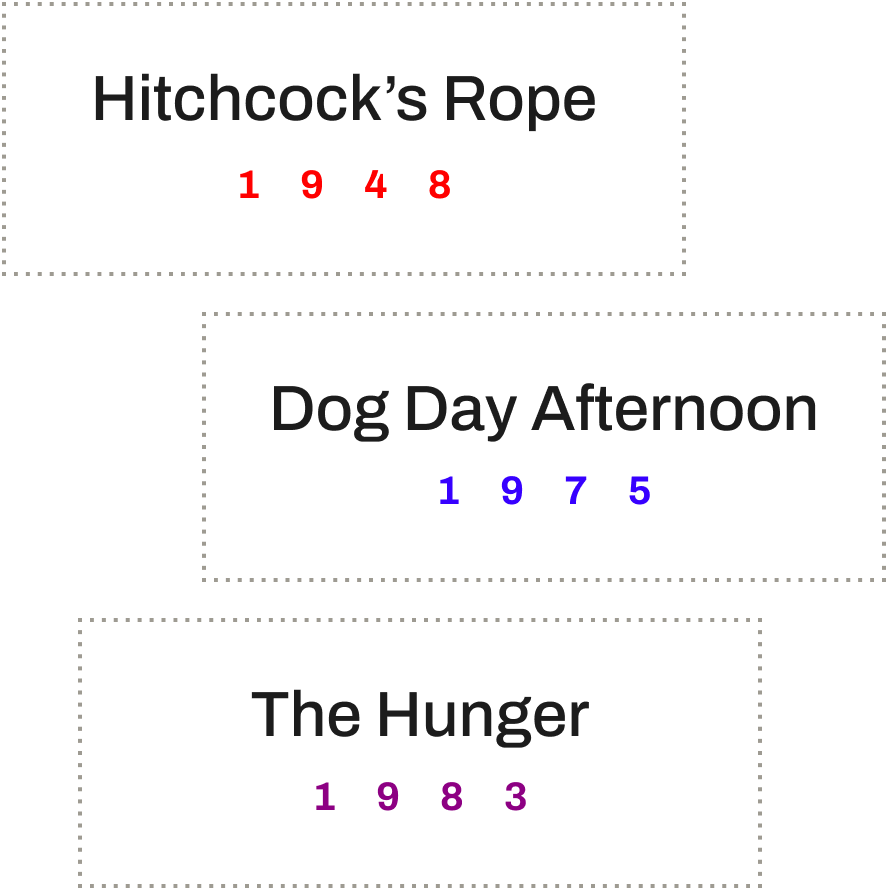
There’s never been a more transformative period for LGBTQ+ representation in cinema. From the negative depictions and gay-coding of early Hollywood (Hitchcock’s Rope, 1948) and the outright banning of explicit homosexuality on screen under the Hays Code to landmark releases like the Dog Day Afternoon (1975) and The Hunger (1983), film has gradually begun to reflect more nuanced and authentic representations.
Today, films like Moonlight (2016) and Dallas Buyers Club (2013) – both of which achieved huge popular acclaim – serve to bring LGBTQ+ issues to the fore.
Recent Movies Bringing LGBTQ+
Issues to Light

This journey through cinema not only highlights the progress made but also underscores the ongoing challenges and the importance of continued advocacy and representation.
Pioneering Films &
Trailblazing Filmmakers
Cinematic Chronicles

Landmark Productions That Shaped LGBTQ+ Cinema
Some say the first queer depiction on film dates all the way back to 1895, with William Kennedy Dickson’s motion picture The Dickson Experimental Sound Film, which features two men dancing together. Although no one can confirm the intentionality behind the film, it was, at the time, seen as shocking and subversive.
Since then, there have been a series of stand-out productions which have significantly influenced the culture of LGBTQ+ cinema and societal attitudes more broadly. Take, for instance, the 1970 classic The Boys in the Band, one of America’s first depictions of openly gay life, or the powerful documentary of New York City’s drag culture, Paris is Burning (1990).
Fast forward to the 21st century, and groundbreaking movies like Brokeback Mountain (2005) form an integral part of mainstream cinema, bringing queer experiences into popular focus.
Pioneering LGBTQ+ Cinema From Early
Depictions to Mainstream Focus



Celebrating Iconic Directors and Their Contributions
Behind the lens, visionary directors have dared – often at personal risk – to give marginalized communities a voice. Though we could go on all day, here are some notable contributions:

John Waters
Hairspray (1998)

Kenneth Anger
Fireworks (1947)
Cheryl Dunye
The Watermelon Woman (1996)
Jennie Livingston
Paris Is Burning (1990)
Pedro Almodóvar
All About My Mother (1999)
Gus Van Sant
Milk (2008)
R. W. Fassbinder
Fox and His Friends (1975)
Dee Rees
Pariah (2011)
Lisa Cholodenko
The Kids Are All Right (2010)
Luca Guadagnino
Call Me by Your Name (2017)
These are just a few of the many iconic filmmakers whose landmark productions have educated, inspired, and expanded the horizons of LGBTQ+ representation in film.
The Impact of Independent and Underground Films on LGBTQ+ Culture
Underground filmmaking offered a haven for queer expression during the mid-20th century, when LGBTQ+ themes were heavily censored by mainstream media (remember the Hays Code?) Avant-garde works produced under independent labels thrived, celebrating queer aesthetics and experiences – though often only seen by queer audiences.
Unapologetic productions like Kenneth Anger’s Scorpio Rising and Jack Smith’s Flaming Creatures, both from 1963, exemplify the freedom underground film had to explore queer identity at that time.
But the 80s and 90s saw an increasing societal acceptance of LGBTQ+ themes, and influential independent cinema like My Own Private Idaho (Gus Van Sant, 1991) and Go Fish (Rose Troche, 1994) successfully brought queer narratives to a broader audience.
The 80s & 90s: Broader Horizons
for LGBTQ+ Cinema


Navigating LGBTQ+
Histories and Narratives
Cinematic Chronicles
Examining Key Moments and Milestones in LGBTQ+ History
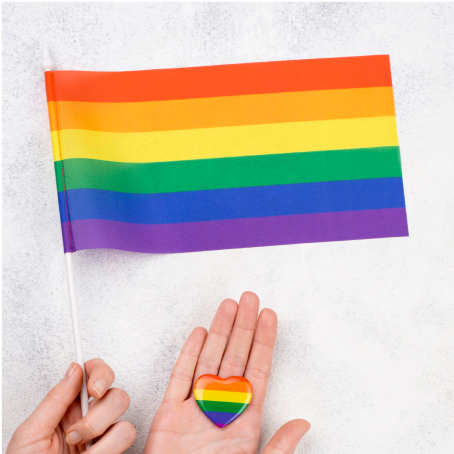
The road to equal rights has been long and hard, and is still ongoing. But several key milestones of the late 20th century mark turning points in LGBTQ+ history – and on-screen depictions of these pivotal events have helped to shape queer identity and influence societal attitudes.
The 1969 Stonewall Riots
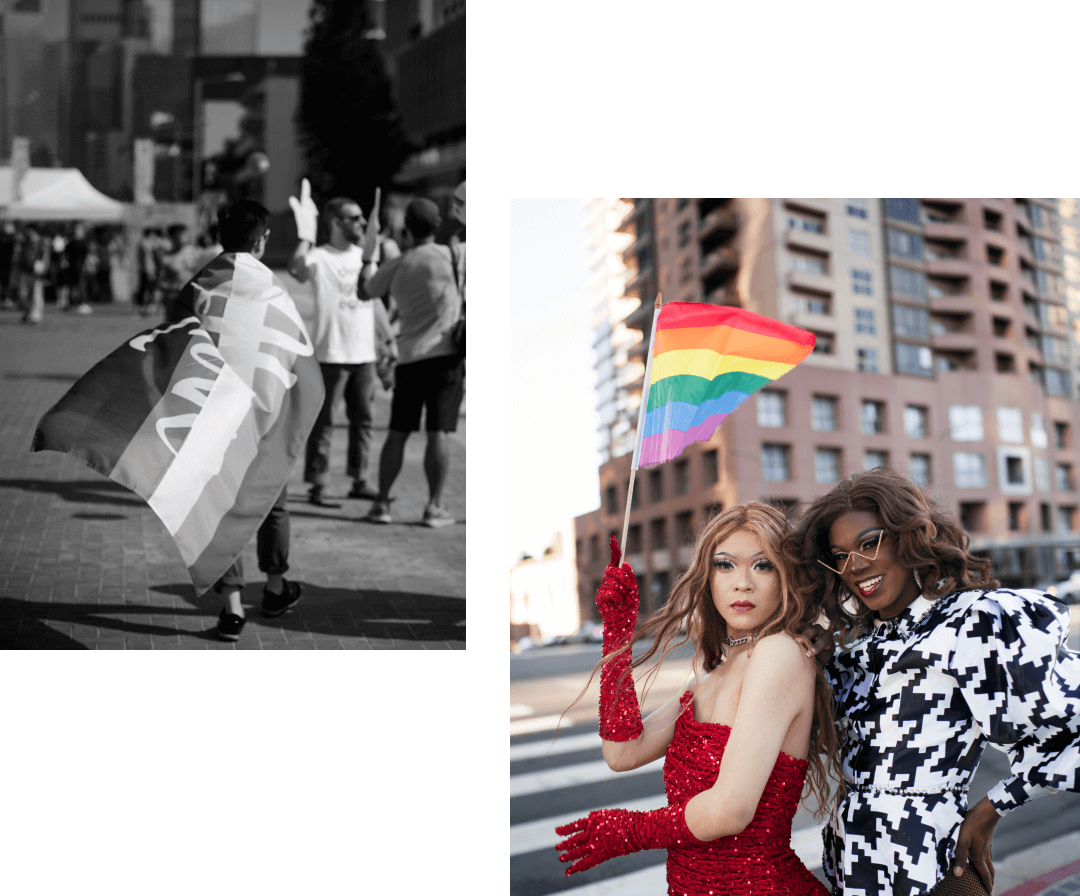
Often cited as the start of the gay rights movement, the Stonewall Riots mark the first time a homosexual community kicked back against the systematic persecution of sexual minorities. Stonewall (1995, 2015) was instrumental in highlighting the moment as a key event in modern American history.
Harvey Milk
LGBTQ+ and politics: a complicated history. Milk was one of the first openly gay officials in U.S. history and his story was brought to the fore by documentaries like The Times of Harvey Milk (1984).
The AIDS Crisis
AIDS devastated the queer community during the 80s and 90s. Films like Philadelphia (1993) explore its effects on queer lives, but also how its false depiction as a ‘gay disease’ exposed deeply-ingrained cultural homophobia.
Diverse Identities and Intersectional Experiences on Screen
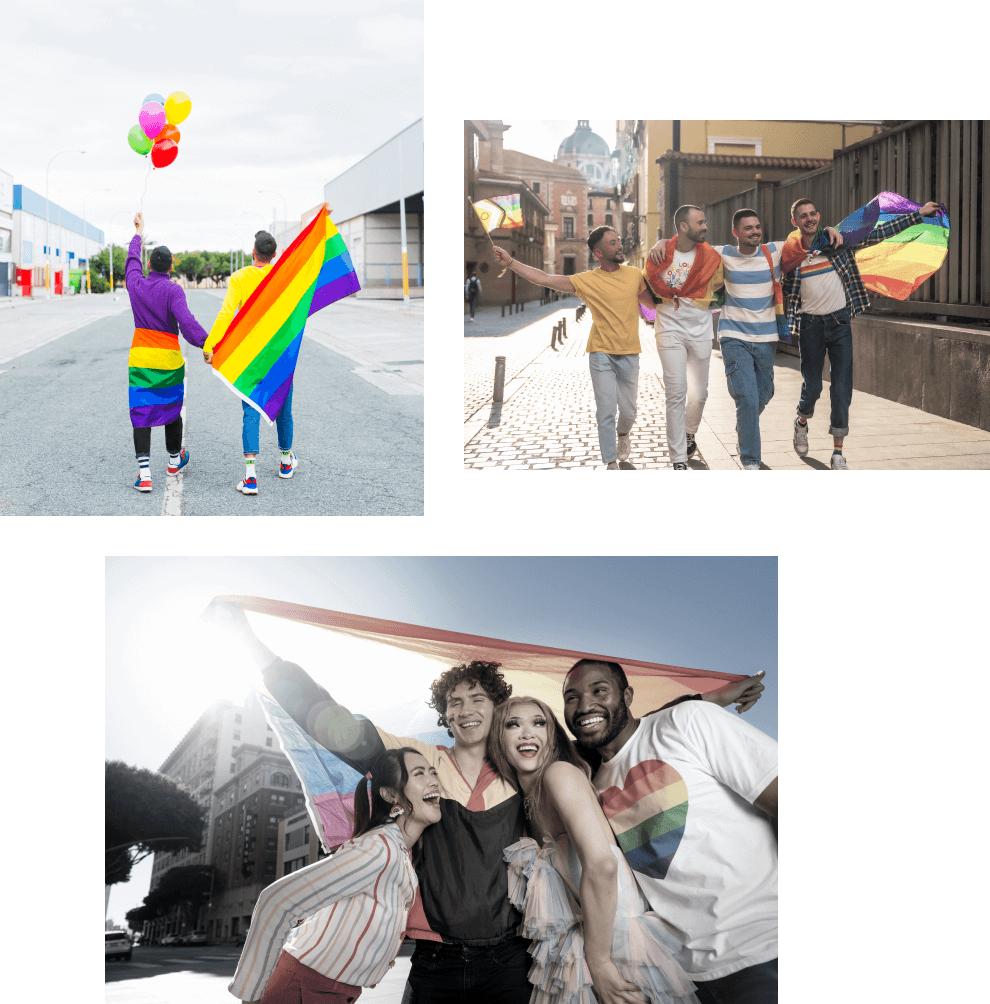
Early cinematic depictions of LGBTQ+ identities often show gay (or gay-coded) white men. But the LGBTQ+ community isn’t monolithic; it covers a spectrum of identity that intersects with a huge range of other aspects, such as race, gender, and class.
Visionary filmmakers have played a crucial role in challenging early one-dimensional narratives and advancing more nuanced and varied LGBTQ+ stories.
The 2015 film Tangerine, for instance, brings the experiences of transgender Los Angeles sex workers into the spotlight. Moonlight (2016) is a critically-acclaimed exploration of what it means to be black and queer in the USA today, and The Watermelon Woman (1996) was a radical portrayal of a young black lesbian researching a black icon.
Nuanced and Varied
Advancing LGBTQ+ Stories in Film

Such depictions are essential to underscoring the need for solidarity across different marginalized groups today.
Uncovering Hidden Stories
and Forgotten Voices
Beyond narrative films, documentaries and experimental pictures have been instrumental in amplifying the LGBTQ+’s diverse range of unsung heroes, as well as providing an independent outlet for explorations of queer aesthetics.
One such example is the 1995 documentary The Celluloid Closet, a deep dive into gay-coding and queer subtexts in earlier Hollywood movies.
Tongues Untied (1989) by Marlon Riggs is a seminal example of experimental queer cinema. It blends poetry, performance, and documentary footage into a kaleidoscopic expression of the experience of black gay men of the time.
Docs & Experiment LGBTQ+ Stories


Representation Matters:
Reflecting Reality on Screen
Cinematic Chronicles
The Importance of Authentic Representation in LGBTQ+ Cinema
Depictions of well-rounded, full-bodied LGBTQ+ characters in cinema are vital, first and foremost for members of the community, young or old. Well-realized characters overcoming relatable problems can be profoundly affirming for queer individuals struggling with or exploring their identities.
But mainstream successes have another important role, too: they serve to highlight queer realities to wider audiences who aren’t necessarily in the LGBTQ+ community, fostering more sensitive societal attitudes and stronger allyship from disparate groups.
Challenges and Triumphs in Portraying LGBTQ+ Characters
Authentic representation is an issue the LGBTQ+ community is still battling, even today. Although the overtly negative or reductive depictions of the early 20th century are now far less common, LGBTQ+ characters still suffer from tokenism (queer characters being included purely to satisfy a studio ‘need’ for such a character), misrepresentation, and filling ‘tragic’ roles.
Modern cinema is increasingly aware of these issues. Several notable films of the past decade have opened doors for more nuanced, respectful explorations of LGBTQ+ identify. For example, The Danish Girl (2015) and Portrait of a Lady on Fire (2019) both received important critical and commercial success for their sensitive portrayals of transgender and lesbian characters.
Modern Cinema Embraces LGBTQ+ Identities


Empowering LGBTQ+ Youth Through Positive Media Representation
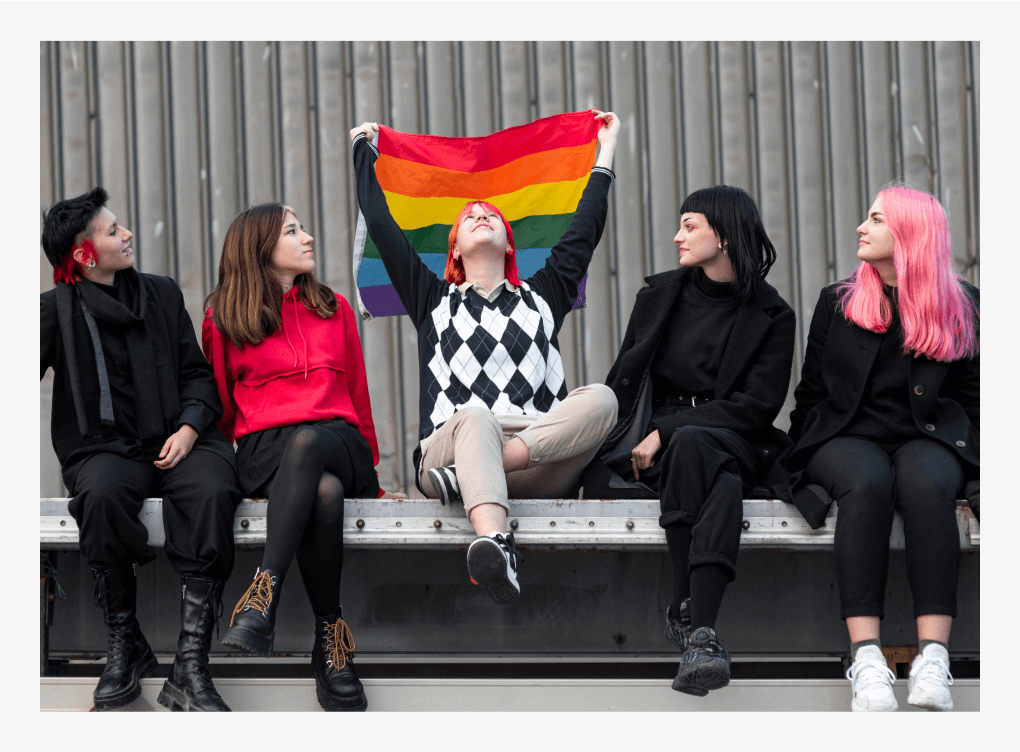
Adolescence can be a particularly challenging time for queer individuals, who’re grappling with acceptance of their perceived ‘non-normative’ identities among peers, within their families, and in society in general. The good news is, today, there are more positive representations in film and TV giving LGBTQ+ youth hope and courage than ever before.
Love, Simon (2018)
a film following a closeted teenager as he navigates his home and social life
Sex Education
(2019-present)
a Netflix original widely praised for its candid exploration of adolescent sexuality
Heartstopper
(2022-present)
a popular drama charting the blossoming romance between two teenage boys

Shaping Social Discourse
and Cultural Change
Cinematic Chronicles
Films as Catalysts for Social Justice and Activism
Film is one the best ‘popular’ drivers of social change in the Western world. By educating the public on specific LGBTQ+ issues through engaging characters, powerful storytelling, and beautiful filmmaking, cinema has the power to bring ‘unheard’ issues to the forefront of societal and political change.
How about an example?

Impactful Stories That Spark Conversations and Empathy
Original cinema, particularly cinema about marginalized groups such as the LGBTQ+ community, represents a unique opportunity to ignite widespread conversation. That’s because through stories we’re able to intimately explore the lives of others – take, for instance, a young black lesbian (The Watermelon Woman) – very different from ourselves.
Before The Kids Are All Right (2010), there had been very few popular examinations of the specific struggles faced by same-sex couples raising children. The film drew intense critical attention, and brought the subject into the limelight in a way it hadn’t been before.
The Role of Film Festivals
and Community Events in LGBTQ+ Advocacy
Not only do film festivals present an opportunity for people from underprivileged backgrounds to showcase their creativity, but they serve as a springboard for discussion, too. Q&As and panel discussions typical of film festivals allow filmmakers and audiences to dissect LGBTQ+ issues in great depth.
Some LGBTQ+ film festivals worth checking out are:
Based in Los Angeles, Outfest is a major arts festival aiming to empower marginalized voices.
Frameline Film Festival has been on a mission to ‘to change the world through the power of queer cinema’ since 1977.
Billed as the largest LGBTIQ+ film festival in Europe, BFI Flare showcases a range of up-and-coming filmmaking talent every spring.
Contemporary Perspectives
and Emerging Trends
Cinematic Chronicles
Exploring Recent Releases
and Current Trends in LGBTQ+ Cinema
Thankfully, there is a greater plethora of varied LGBTQ+ cinema right now than ever before. Groundbreaking releases exploring queer identity regularly top ‘best film’ charts and audience favorite lists. In the last few years alone, we’ve seen an explosion of LGBTQ+ representation. For example:

Explosion of Representation: LGBTQ+ Films Take Center Stage
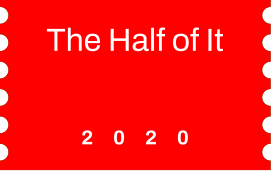


What these productions have in common is a desire to strip back the ‘tokenism’ of other recent LGBTQ+ cinema and portray queer characters in more nuanced positions – i.e. not simply including queer characters for the sake of having queer characters, but making their plots more realistic.

Innovations in Storytelling
and Representation
Queer writers and directors have more freedom now than ever before to experiment with all aspects of filmmaking – and they do!
Genre is one principle example; by blending ‘separate’ genres in innovative ways, individual LGBTQ+ stories may find a form of expression more appropriately suited to them. For instance, Jonas Poher Rasmussen thoughtfully realized refugee Amin Nawabi’s journey to safety in beautiful hand-drawn animation.
There are also huge strides being made when it comes to inclusion of LGBTQ+ individuals – actors, writers, directors, and more – in the telling of their own stories (whereas in mainstream culture it had once been common for non-LGBTQ+ filmmakers to make films about queer culture).
Intersectionality and the Future of LGBTQ+ Filmmaking
Although it’s been slow off the mark, today we see an increasingly intersectional culture within LGBTQ+ cinema. This cinema recognizes and showcases how sexual orientation interacts with other aspects of identity, such as race, disability, and socio-economic status. For a taste of great intersectional LGBTQ+ cinema, check out:

Rafiki (2018)
Lesbian romance set in Kenya, anyone?
Lingua Franca (2019)
an undocumented trans woman working in the USA
XXY (2007)
an intersex woman grapples with her identity in Argentina
Beyond the Screen: Education
and Outreach Initiatives
Cinematic Chronicles
Incorporating LGBTQ+ Films into Educational Curricula
Let’s face it: film is an ideal medium for educating young people. Whatever a learner’s background, they’ll respond to engaging movies. So cinema represents a unique opportunity to educate today’s youth on LGBTQ+ issues.
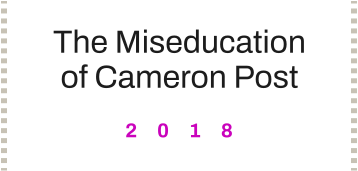
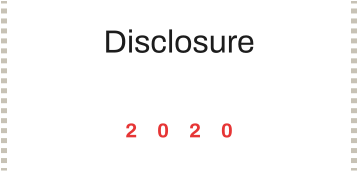
Whether it’s a punchy narrative filled with likable characters like The Miseducation of Cameron Post (2018), or a thought-provoking documentary on representations of transgenderism in mainstream media (think 2020’s Disclosure), cinema is a great way to spark important conversations around diversity and inclusivity.
Spark Conversations
LGBTQ+ Cinema and Social Change
Community Engagement
and Outreach Programs
When it comes to building stronger, safer communities, outreach is critical. Here are some ways communities foster closer LGBTQ+ ties:

Film
Screenings

Panel
Discussions

Film
Workshops

Youth
Film Festivals

Queer
Cinema Clubs
Initiatives like these work on both small and larger levels and are a fantastic way of making LGBTQ+ individuals feel more valued within their communities and of promoting mutual respect.
Advocacy for Inclusive Policies and Safe Spaces
Great cinema is the perfect tool for advocacy. People of all backgrounds can learn about critical issues within their society while simultaneously enjoying forefront filmmaking. Plus, individual stories are a powerful way of highlighting gaps in national policy, turning issues from abstract problems into tangible concepts.

What’s more, normalizing inclusive spaces for LGBTQ+ individuals helps to galvanize communities at all levels, whether they’re in schools, workplaces, or public institutions. Film – especially queer film clubs – have an important role to play in building more cohesive communities.


Celebrating Diversity
and Resilience
Cinematic Chronicles
Honoring the Rich Tapestry of LGBTQ+ Experiences
From the flamboyant to the introspective, the uplifting to the harrowing, the white experience to the black experience, the showbiz to the lowly, and much, much more, cinema of the last hundred years captures the LGBTQ+ experience in all its diversity.
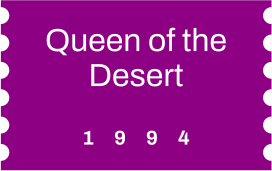
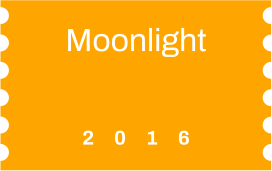
The enormous difference between films like The Adventures of Priscilla, Queen of the Desert (1994) and Moonlight (2016) are testament not only to the creativity of LGBTQ+ filmmakers, but to the diversity of experience within queer culture, too.
Modern Cinema Embraces LGBTQ+ Identities
Cinema is one of the best ways of honoring the legacy of queer heroes and history, and of giving texture to the fabric of our societies.
Amplifying Marginalized Voices and Underrepresented Stories
Even as queer cinema began to become more acceptable in the mainstream in the 80s and 90s, queer films still tended to focus more heavily on gay white men. Today, this is changing, with greater intersectionality on show; cinema is shifting to portray queer experiences in all their forms and within all communities.
Rafiki (2018), A Fantastic Woman (2017), Paris is Burning (1990), and Disclosure (2020) are just a few examples of cinema which amplifies marginalized voices and brings unique stories to fore. Films like these help to highlight queer contributions to culture and move towards a more inclusive future.

Marginalized Voices
Cinema Amplifies Untold Stories




Inspiring Hope and Pride Through Cinematic Expression
Queer cinema isn’t just about celebrating the important cultural history of the LGBTQ+ community; it’s also about highlighting the work that still needs to be done, especially within marginalized groups.
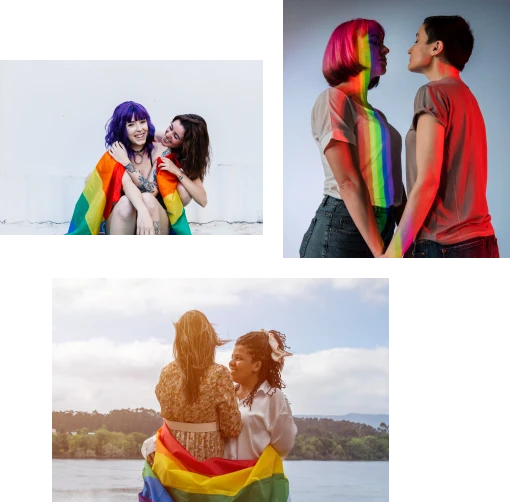
Celebratory films about love and identity – think Love, Simon (2018) and Carol (2015) – offer an opportunity for LGBTQ+ individuals to see themselves represented on screen and feel a sense of hope about the future.
Representation & Hope
LGBTQ+ Love Stories on Screen
But investigative documentary-filmmaking also has a part to play. The Death and Life of Marsha P. Johnson (2017) underscores the history of transformative activism and the need for individuals to address difficult realities.

Conclusion
Cinematic Chronicles

Reflecting on the Transformative Power of LGBTQ+ Cinema
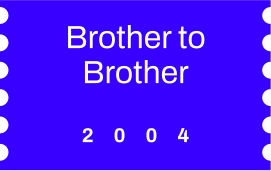
It’s only when we compare the earliest depictions of queerness on film to today’s that we see just how far LGBTQ+ cinema has come. It’s transformed many aspects of society’s attitudes towards queer inclusion in general, sure, but it’s also changed the way the LGBTQ+ community views itself. Intersectionality, for instance, is an important and respected theme today, but if it hadn’t been for landmark pictures like Flee (2021), Moonlight (2016), and Brother to Brother (2004), we might not be where we are today.


By narrativizing complex issues around identity, cinema has played a central role in transforming everything from attitudes and prejudices to policy and culture.
Continuing the Journey Towards Equality and Inclusion
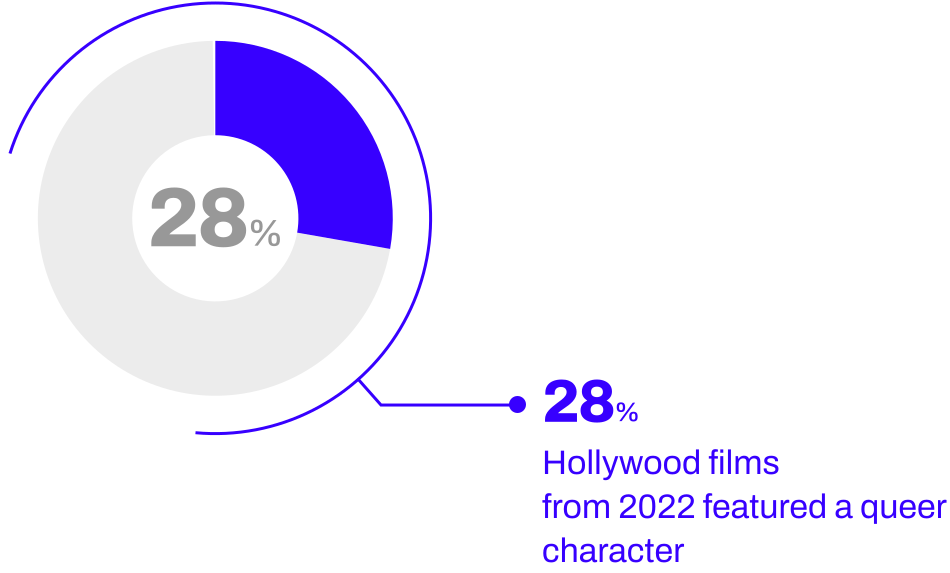
The LGBTQ+ story isn’t over. There’s a long way to go towards true inclusion. 28% of Hollywood films from 2022 featured a queer character, which, while the highest number to date, demonstrates how much is left to do.
By promoting queer stories and supporting LGBTQ+ filmmakers, cinema can play a crucial role in shaping the future of debate around queer issues, just as it has in the past. And as societal – and the LGBTQ+ community’s – understandings of the unique issues faced evolve, film will be more important than ever in spreading important messages.
Amplifying LGBTQ+ Stories as Catalysts for Social Change
LGBTQ+ cinema in all its forms – from fictional narratives to powerful documentaries – is one of the most effective tools for advancing social change. Human stories will always be engaging, and through these stories we can highlight the struggles, triumphs, hopes, and resilience of queer individuals all around the world.
Politicians can change policy, friends can change opinions, and time can change attitudes – but cinema has the power to touch the lives of people everywhere and drive real change forwards.