
Navigating the Digital Landscape
A Comprehensive Guide to Media Literacy Education for Today's Youth
Traditional Forms of Media
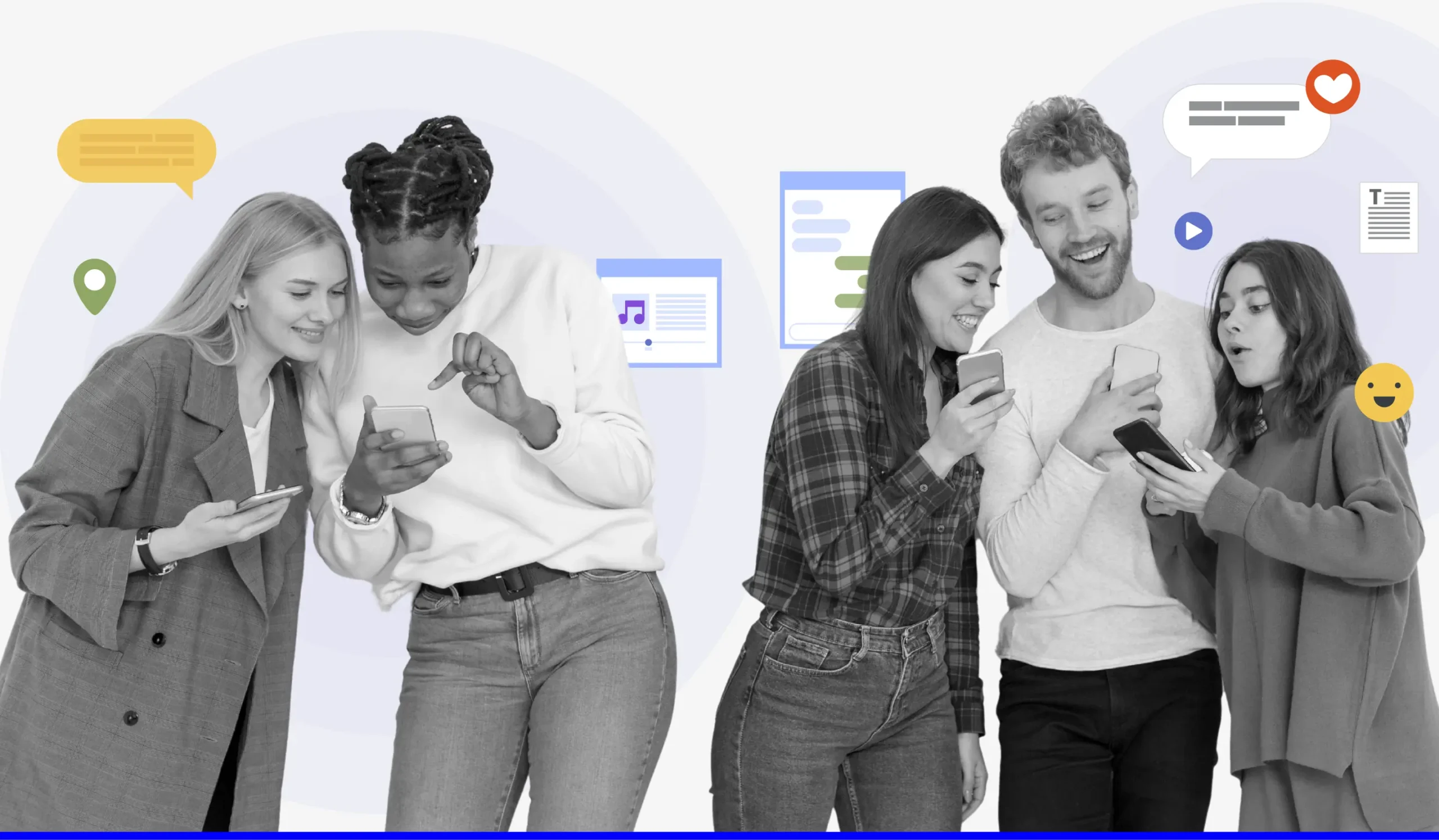
Whether it’s social media like X (formerly known as Twitter), Instagram, TikTok, or other sources of instant news and digital content, the role of media has developed far past traditional forms of media.


TikTok

X

Internet
Gone are the days of watching a curated news package on television, or even picking up a newspaper, nowadays, if you’re someone who’s under the age of 25, you’re probably getting your important information from some source on the internet.

It’s fairly easy to frame this in a negative light – “Print is Dying” or “It’s not Proper News”
It’s fairly easy to frame this in a negative light – “print is dying” or “it’s not proper news” – but generally speaking, it’s not inherently bad to have so many options out there regarding how you stay informed and educated. That said, it naturally opens the door to a whole heap of misinformation, which is why it’s never been more important to adopt a critical skill set known as ‘media literacy.’
Throughout this article, we’re going to delve deeper into the concept of media literacy, covering things such as
01
What it encompasses
02
Its importance for the youth

03
Effective strategies for its integration into educational systems

04
Some of the challenges presented

Understanding
Media Literacy





Navigating the Digital Landscape
All in all, media literacy involves the ability to access, analyze, and evaluate media in a bunch of different forms, most commonly the type of information you see on social media platforms, but encompassing other forms you’ll see across the internet, too – clickbait articles, and the like, for instance.
media literacy involves the ability to

Access

Analyze

Evaluate
In practice, this sort of skill means you’ll be able to
01
Understand online information
02
Discern credible sources from fake ones
03
Recognize biases & intentions behind digital content
Enhancing Media Literacy for Informed Decisions
Ultimately, the main goal here with media literacy is for you to be able to make far more informed decisions and actually engage with media in a more critical manner rather than simply, say, skimming over a headline that was created with the intention of ‘farming engagement,’ ‘rage-baiting,’ or otherwise omit the whole truth – these are concepts we’ll be looking at in a bit more detail later.

The Evolution of Media Consumption Among Youth
It might not come as a surprise that youth media consumption has evolved fairly dramatically with the rise of digital technologies -it doesn’t take a genius to see that traditional media like television and print have been supplemented (at best), if not supplanted, by digital platforms.

Social media, streaming services, and online news outlets, whether they’re news organizations that have been grandfathered in over time (companies like CNN making TikToks now, for instance) or new independent journalists, are now the primary sources of information and entertainment.
Because of this kind of shift, people of all ages – but particularly the youth as older generations still consume those traditional media outlets we mentioned earlier primarily – now need a more evolved approach to media literacy that addresses all of the nuances of digital media consumption.
Challenges Posed by Misinformation and Disinformation
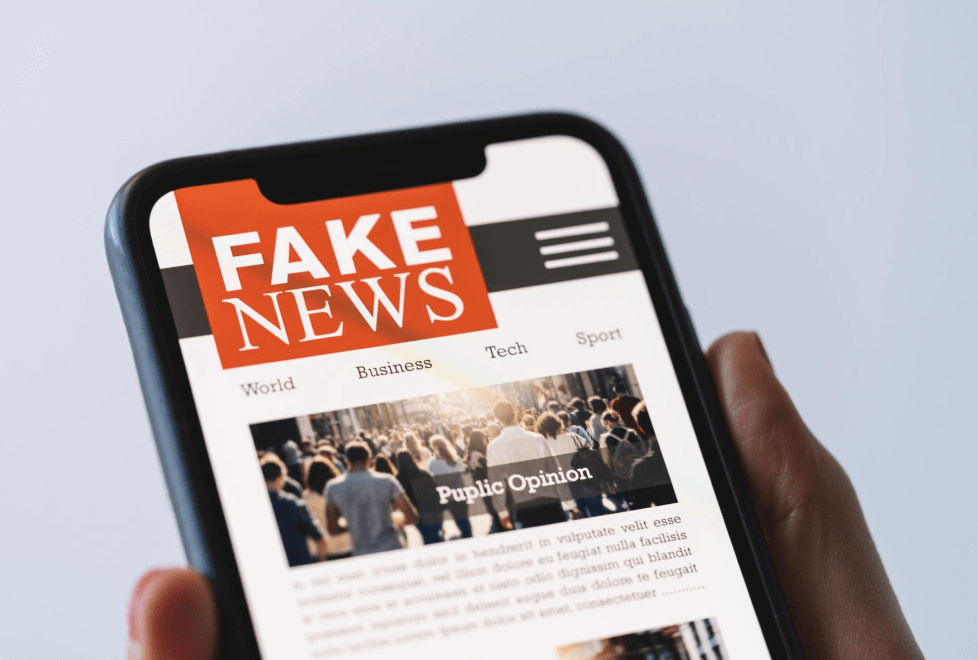
Though fairly similar in their overall outcome, misinformation and disinformation both pose fairly significant challenges in the digital age.
Misinformation
Starting with misinformation, this primarily refers to either inaccurate or simply false information being spread without any kind of malicious intent – an assumption someone made after reading a clickbait article who then went on to spread it to a large audience, for example
Disinformation
Disinformation, on the other hand, is a far more malicious means of ‘informing’; deliberately spreading falsehoods with the primary intention being deception –
this sort of thing is often seen are major news events like election cycles, for example, like outright lies being spread about a political figure to sway the public’s perception.
Teaching Youth Digital Literacy
Though disinformation is naturally a bit more maligned, both forms of incorrect information here can rapidly spread online and influence public opinion and their decision-making. As such, teaching youth how to navigate through these challenges is not only crucial for their development and critical thinking skills but their responsibility as digital citizens, too.
The Importance of
Media Literacy for Youth




Navigating the Digital Landscape
As touched on earlier, media literacy is one of the best ways you can improve your critical thinking while using the internet, allowing you to question and analyze the information that you encounter – whether it’s a dubious TikTok or a news article from a media outlet that you’ve never heard of before.
You’ll need this kind of skill for understanding the context of information and being able to recognize biases
– getting all your information from
a large right-wing political commentator on Twitter who runs smear campaigns every day isn’t exactly the most bipartisan way of educating
yourself on the upcoming election cycle, for example.
Fostering Digital Citizenship and Responsible Engagement
‘Digital citizenship’ means that you need to be both responsible and ethical when engaging with the internet, from reading an article on social media to creating that article in the first place.


Media literacy plays a huge role in this as it generally helps the youth understand what kinds of rights and responsibilities they have online and why it’s so crucial for them to promote respectful and constructive engagement rather than spreading lies and hateful content.
This includes things like:


Recognizing the impact of their online actions
(especially if they have a large following on social media that can reach a wide and impressionable audience)


Safeguarding Mental Well-being and Emotional Resilience
Exposure to media, but more so social media where certain communities can be cesspits for hateful and radicalizing content, can naturally have a major impact on the mental health and emotional resilience of whoever consumes it.
Media Literacy vs. Algorithmic Manipulation
This one’s fairly tricky as many social media platforms, Twitter and Facebook, for instance, employ algorithms that intentionally show you controversial or otherwise upsetting content as it drives engagement and therefore makes them money through ad revenue, but media literacy can aid with this – mainly by giving you the tools needed to critically evaluate the content that you’re consuming and building a more positive digital presence.
Again, you’re not always able to do this, given the nature of how these platforms operate, but media literacy helps with understanding the curated nature of social media.


For example, If you’re a fan of rap music and consistently engage with discourse surrounding rap music, you’re far more likely to have a timeline/’for you page’ that comprises this topic.
Conversely, if you’re consistently engaging with more depressing and negative content, the algorithm is going to recognize that this gets a reaction out of you and will subsequently recommend you more topics in the vein.

Strategies for
Teaching Media Literacy
Navigating the Digital Landscape
Now that you’ve got a better understanding of what media literacy is and the importance of it for using the internet let’s take a closer look at how it can actually be taught in a way that reaches the most people.
Curriculum Integration in Educational Institutions
Generally speaking, integrating some kind of media literacy class into school curricula is essential in this day and age for a comprehensive education. Rather than teaching it as a standalone topic, the better way to go about this is to incorporate media literacy into a few of the already existing subjects, like:


Language Arts

Social Studies

Science

Information Communication Technology (ICT) classes
Contextual Media Literacy Education
By embedding media literacy into various other topics, it means educators should be able to provide their students with continuous and contextual learning opportunities, which is a far better approach than a one hour class each week where they try to cover as much ground as possible and come off as slightly overwhelming.
Innovative Approaches and Best Practices
Let’s explore some of the more effective ways that you’re able to learn about media literacy that isn’t just reading a quick article on the internet.
#1
Interactive Workshops and Hands-On Activities
Again, instead of giving a student a quick note or announcement, interactive activities that get the students engaging in practical media literacy exercises are definitely the way to go if you want them to remember the stuff they’ve learned. Naturally, this can come in quite a few forms, but this can include things like:
Interactive Activities for the Digital Age

Analyzing advertisements

Identifying whether there are biases in a particular ‘news’ source or statement

Creating digital content

Evaluating news articles
This way, the students can actively participate in the exercises you’re trying to teach them, and they’ll have a far better understanding of the media production and consumption processes.
#2
Incorporating Multimedia Resources and Technology
Back when I was at school, you’d be lucky if you got to use a computer to help with your learning – not only because they were so expensive and poorly stocked but because of how limited they were in terms of their application.
Nowadays, though, technology – whether it’s an iPad or a laptop – is widely used in school for educational purposes, and utilizing multimedia resources and technology like this is a fantastic way of enhancing the learning experience for the students.
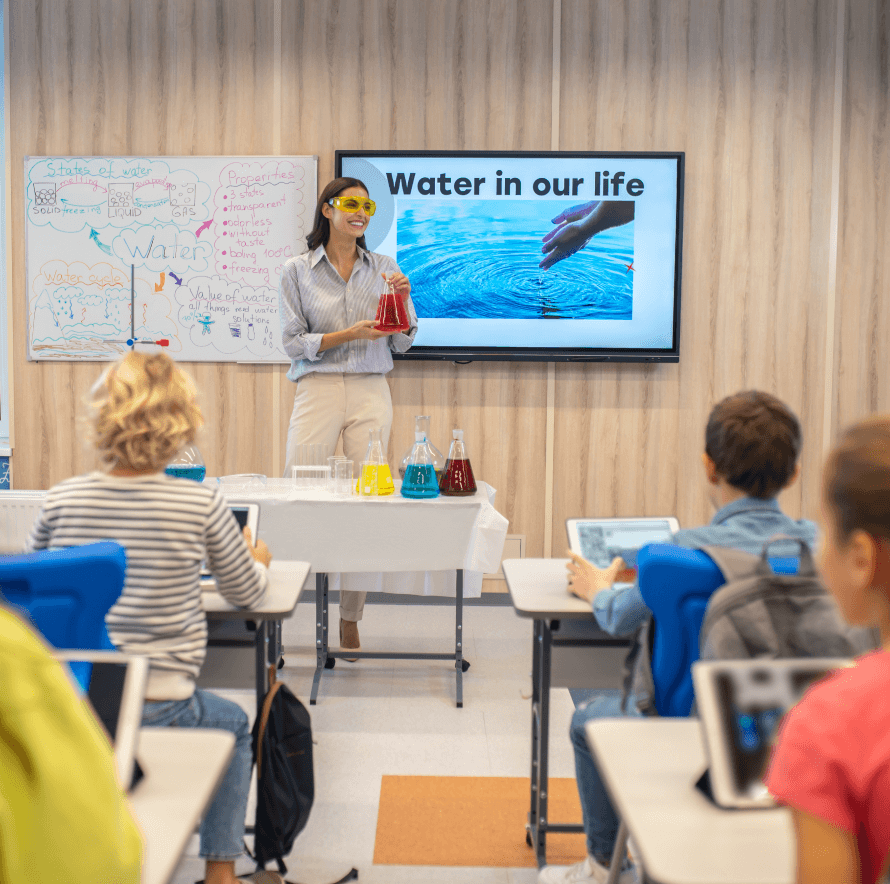
Whether you’re using educational videos, digital storytelling tools, or online simulations, technology like this makes media literacy lessons a lot more engaging and relatable.
Furthermore, it’s worth looking into using social media platforms and digital tools that are a bit more familiar to the students who are receiving the lessons. Again, back to the topic of social media, using examples on sites like Twitter means they’ll be receiving practical, real-world applications of the media literacy concepts they need to know about.
#3
Collaborative Learning and Peer Engagement
Whether it’s a group project, peer review, or simply something like a classroom discussion, you’re getting the students involved with each other and forcing them to think a bit more critically than if you were to simply just hand them a document to read.
This way, they’re actually able to share perspectives and learn from one another, so this kind of collaborative approach is not only going to reinforce their literacy skills but also build a community of informed media consumers.
Parental and Community Involvement

Obviously, the bulk of the teaching is going to come from a classroom setting, as it should, but engaging parents and the wider community in media literacy education is also a good way of extending learning outside of this setting.
Workshops and other kinds of informational sessions are key here for parents since it’ll allow them to equip themselves with all the knowledge they need to guide their children’s media consumption.
Now, depending on where you live, this might not be the easiest thing to attend, but certain towns that have community programs or where partnerships with local media organizations are available will be excellent ways of providing additional resources for media literacy initiatives.

Continuous Professional Development for Educators
Aside from the parents, there’s always extra work for the educators themselves to be improving their training and strategies when it comes to teaching media literacy – especially because of how novel this sort of thing is and how it’s constantly developing and becoming more complex (deep fakes and other forms of AI generated disinformation masquerading as factual, for instance).

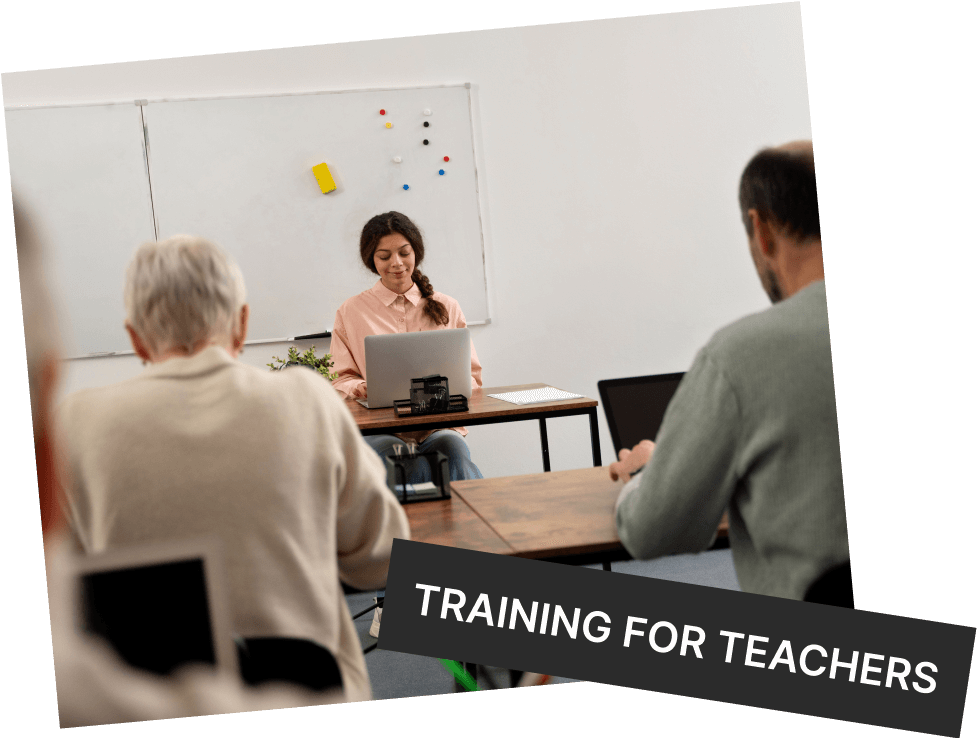
Fortunately, there are quite a few training programs and workshops available for teachers to stay fully up-to-date on all the latest media trends and tools
If the educators themselves aren’t properly equipped to handle media literacy training, this whole thing is obviously a bit pointless. As such, by continuously enhancing their skills and knowledge, teachers and lecturers will be far better prepared to support their students.
Resources for
Educators and Parents
Navigating the Digital Landscape
Following on from the previous point, we’re lucky to have quite a lot of different resources to help keep up with media literacy – naturally, this is something that’s especially important given how fast this space is developing and how advanced some of the methods that are used to spread disinformation are getting (as mentioned earlier, this encompasses things like deep fakes).
In order to actually provide effective media literacy education, those who are teaching it are, of course, going to need access to a variety of resources that’ll help them teach and reinforce these skills, including:
Empowering Educators: A Look at Media Literacy Resources

Useful guides

Lesson plans

Online courses

Recommended
reading materials

Engaging tools
Comprehensive Guides and Lesson Plans
As is the case with any kind of topic that’s being taught to students, having a structured approach to teaching media literacy that includes things like step-by-step instructions and activities is going to be the best way of engaging students.
First off, this is an organization that offers a digital citizenship curriculum completely for free – here you’ll find K-12 lesson plans that cover everything from internet safety and privacy to cyberbullying and media literacy in general.
Next up is Project Look Sharp, which is another organization that provides a fairly similar service to the first example. They provide a variety of lesson plans and media literacy kits that don’t just focus on one topic but integrate media analysis into a bunch of different subject areas instead.
This last one’s a Canadian option that, again, works similarly to the other two options – providing lesson plans and workshops that’ll help educators teach media literacy across various grade levels.
Online Courses and Training Models
So, aside from in person activities that students can learn from, there are also a range of options that are online-based for any parents or educators that are looking to gain a greater understanding of media literacy and, ultimately, teach better.
This organization offers resources from around the world, but the course we’re going to recommend here is the “Media Literacy and Representation” course that’s provided by the University of Newcastle (in Australia). Again, this is all online, so you can utilize this course to learn a bit more about media literacy principles and teaching strategies wherever you’re located in the United States.
Secondly, we also liked the “Mind over Media: Analyzing Contemporary Propaganda” course by the University of Texas – this one’s slightly older so may not contain all the same buzzwords you’ll see surrounding media literacy on the internet today, but it still comes with some priceless tools to help you analyze media more critically.
Finally, the last online course we recommend is from PBS LearningMedia, who provide professional development modules on media literacy – that’ll ultimately let educators integrate a few more concepts into their teaching strategies that go beyond what you’d find in a quick Google search.
Recommended Reading Materials and Websites
Moving forward, here are some other books and articles we reckon you should check out if you want a few more insights and strategies for teaching media literacy:

Books
The Media Ecosystem: What Ecology Can Teach Us about Responsible Media Practice
is a book by Antonio Lopez where he marries what would seemingly be two unrelated fields – ecology and media.
The main point he’s trying to peddle in this book is essentially a call to action for media producers and consumers to try and bring back a sense of collaboration and ritual into the process of communication.
I know it sounds a bit out there, but try and go into it with an open mind; Lopez is definitely one of the most forward-thinking writers in the field of new media studies.
This one takes a much more analytical approach in comparison to the previous example by Antonio Lopez, and here, across three parts, you’ll learn everything from the fundamental principles and concepts of media literacy to specific issues with mass media and why it’s so important to have a media-literate population.
Media Literacy: Keys to Interpreting Media Messages
is our next option and is written by Art Silverblatt

Websites
If you’re not someone who wants to purchase a bunch of different books and just wants a few quick resources at your fingertips regarding media literacy, you’ll probably benefit from a site like medialiteracynow.org more than you would from the previous options – this a fairly holistic option that provides a range of different resources and policy updates for you to explore.
This one’s still very much an educational resource, but we found FactCheck.org a lot more accessible than some of the other options we’ve covered.
Have you ever seen someone post something that sounds completely outlandish on social media? Definitely don’t just take their word for it; this site comes with a bunch of different tools and resources that you can use to verify the accuracy of certain claims and generally combat misinformation.
Implementing Media Literacy Programs
Case Studies and Examples
Navigating the Digital Landscape
We’ve talked a lot here about the various range of resources and workshops that are available to you, and while it’s all well and good there being so much variety, you might be wondering if these are actually worth integrating into your lesson plans or curriculum.
As we’ve talked about throughout this article already, the concept of integrating media literacy strategies within schools and universities is still kind of a new project, but even in that short time, there have been quite a few different case studies we can look at from across the world and here within the United States.
Successful Media Literacy Programs Worldwide

While these kinds of courses are always developing and will likely have widely different curricula within the next few years, there are still examples of several countries and organizations that have managed to successfully implement some form of media literacy program.
For instance, over in Europe, Finland has integrated media literacy into its national curriculum, with their main aim here being an emphasis on critical thinking and digital skills in general from an early age – obviously, it’s the youth who are generally the most exposed to misinformation and disinformation because of their use of social media, so they decided it was best that they pick up these skills as children.


Similarly, Australia actually has an entire week that’s dedicated to teaching media literacy, the aptly named “Media Literacy Week“. Here, they have a bunch of different activities and resources that are available to students, teachers, and parents alike to promote all kinds of media literacy tools.
Case Study: Media Literacy in the United States
It’s nice to know that this sort of thing is working well in Scandinavia and other parts of the world like Australia, but are there actually any examples of media literacy being taught here in the United States?
The short answer is yes, and it’s actually becoming more and more common, too, even though media literacy initiatives tend to vary by state and school district.
For example, in some states, like California and New Jersey, it’s actually mandated that media literacy education is in their school curricula. Furthermore, there are a bunch of dedicated organizations, such as the National Association for Media Literacy Education (NAMLE) that provide resources and support for educators to implement media literacy programs in a more effective manner.
Innovative Projects and Initiatives
Moving forward, there are quite a lot of innovative projects out there that offer interactive lessons and other kinds of resources so that students can better distinguish credible news sources from dubious ones – the News Literacy Project, for instance.
Going back to the previous example we made earlier about the Digital Citizenship Curriculum by Common Sense Education, this is yet another initiative that provides lessons on things like:

Media literacy

Privacy

Cyberbullying
All of which demonstrate that there’s definitely a fairly diverse approach to how media literacy education is being taught throughout the country.
Evaluating Impact
and Future Directions
Navigating the Digital Landscape
We’ve given you enough resources now to put a few different media literacy initiatives into place, but in order to actually see how effective they are being, there’s still a few different measures you should consider – not least because you’ll need to adapt to new trends and challenges as they come along (which they definitely will in the coming years).
Measuring the Efficacy of Media Literacy Initiatives
Generally speaking, you’re going to need to collect and subsequently analyze some data if you want to properly determine how effective your new media literacy programs are performing.

Surveys and Assessments
Firstly, and perhaps the easiest way of gaining data, is simply to conduct some surveys and assessments before and after you implement these media literacy programs into curricula – this way you’re able to properly measure changes in the students skills, which there most likely will be.

Feedback Mechanisms
Furthermore, gathering feedback from educators, students, and even the parents is another good way of understanding what parts of the program are looking strong and what areas might need a bit of improvement.

Case Studies
Finally, we’ve listed quite a few case studies so far, and you can join these examples by developing case studies of your own that document the success of any of the media literacy initiatives you’ve implemented and what outcomes they had.
Addressing Emerging Trends and Challenges
As touched on numerous times throughout this article, the media landscape is something that’s constantly evolving. This naturally brings new challenges and opportunities for media literacy education.

Emerging Technologies
Try to stay informed about any new technologies that are on the horizon and what kind of implication they might have on media consumption and literacy.
One recent example here is how the new blue check mechanism on Twitter now enables users to make money off of high engagement. As a result, this has caused a spike in ‘engagement farming’ and other kinds of clickbait (whether positively or negatively inclined) which only further demands solid media literacy skills.

Evolving Media Platforms
Adapt media literacy education that addresses some of the characteristics and influences of some of the more recent media platforms that have gained popularity – TikTok, for instance.

Global Perspectives
Finally, it can be worth incorporating some of the global perspectives on media literacy – such as the ones we mentioned in Finland and Australia – into education so you can address more diverse media environments and cultural contexts.
Conclusion
Navigating the Digital Landscape
To wrap things up, it goes without saying that media literacy education is absolutely paramount in preparing the youth for an increasingly complex digital world, and it’s only going to become more important over time. As touched on, this is one of the best ways you can equip them with the critical thinking skills needed to properly discern credible information – but perhaps more importantly, protect their well-being and mental health.
Ultimately, the goal here with media literacy is to help the youth become more informed and active in the digital landscape, as it’s too easy nowadays to become misinformed with the mass of false information prevalent on the internet – this kind of education is not only for critical for their personal development and civic engagement but their future success at large.
It’s not as easy as sticking on a youtube video and giving them a brief overview of media literacy either – it’s a collective responsibility across educators, parents, community members, and policy makers to keep these kids educated and safeguarded.
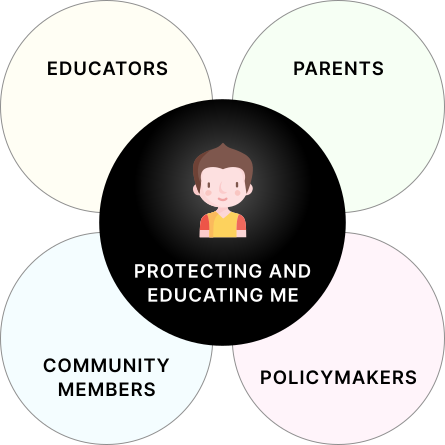
If all goes well, we’ll be able to nurture a generation of media-literate individuals who are actually capable of thriving in the digital age and aren’t bogged down by misinformation.