
Only 11% of Americans Finish What They Watch
— The Reality of Streaming Fatigue In 2025
In 2025, Americans are exhausted by the very platforms designed to entertain them.
Our latest study reveals that only 11% finish the videos they start, nearly 30% lose sleep every night to streaming, and millions admit to watching content they don’t even like — just to keep up. From subscription-hopping to growing curiosity around AI-generated content, it’s clear that streaming isn’t just about choice anymore
— It’s about fatigue, friction, & FOMO.
Key Findings
89%
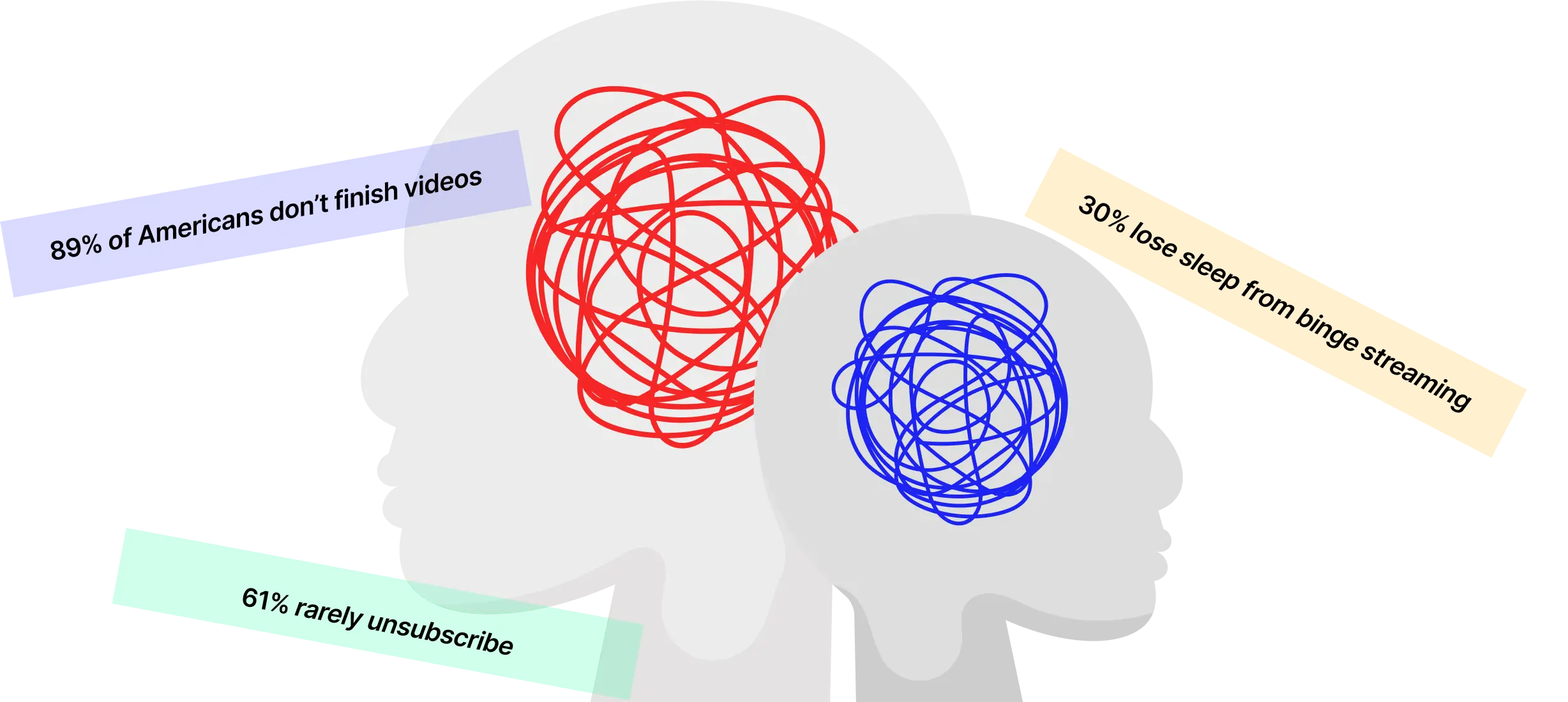
89% of Americans don’t finish the videos they start — and 14% turn them off within the first 10 seconds.
30%
30% of Americans lose sleep every night because they can’t stop streaming movies, shows, or videos.
1 in 3
More than 1 in 3 Americans still share streaming passwords — despite major crackdowns from top platforms.
61%
61% of Americans rarely cancel streaming services — but 1 in 5 younger viewers cancel and restart weekly to save money.
2 in 5
Nearly 2 in 5 Americans admit to watching shows they don’t even like — just to stay in the conversation.
63%
Despite creator backlash, nearly 1 in 10 Americans already want more AI-generated video content — and 63% say they’re open to it.

Where Americans’ Loyalties Lie in the Streaming Wars
— The Reality of Streaming Fatigue In 2025
Netflix is the original video streaming service, and it retains its top ranking today. It’s the most popular streaming service for Americans in every generation (except Gen Zers, who rank YouTube higher). Among these top platforms, there is a mix of free and paid options, which begs the question: How much are Americans spending on their streaming services?
The Cost of America’s Content Habit
76% of Americans spend money each month on video content — only 1 in 4 don’t pay a cent. Interestingly, despite a higher disposable income, baby boomers are the most reluctant to buy subscriptions, as 1 in 3 stick entirely to free platforms. By comparison, only 17% of millennials and 21% of Gen Zers don’t pay for video streaming services
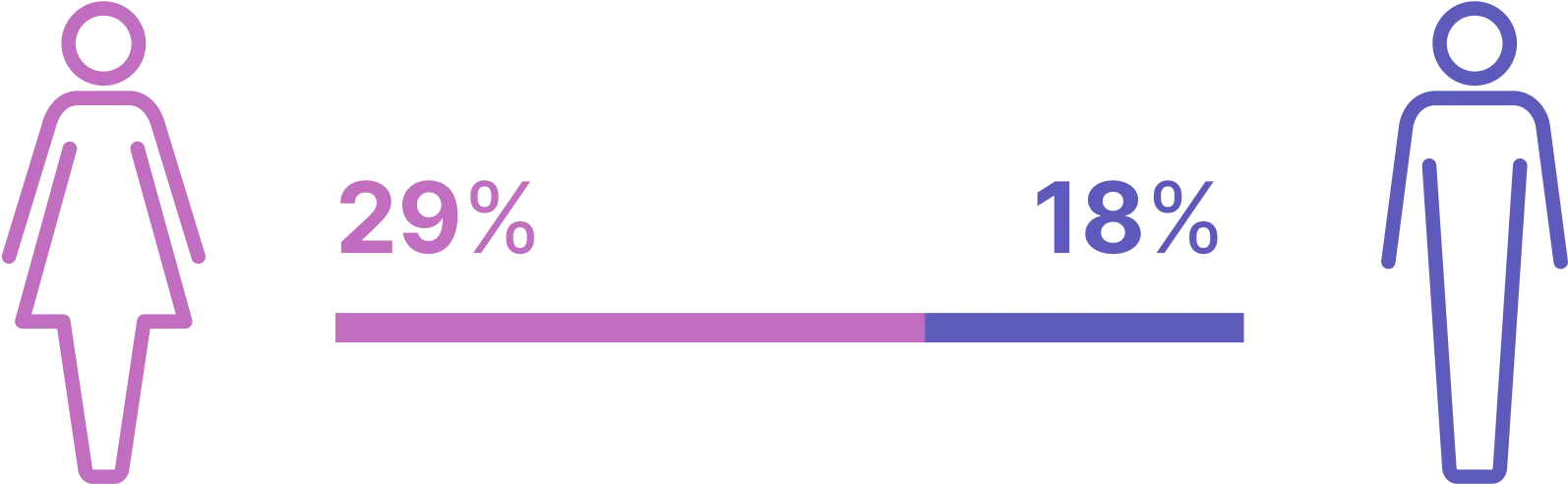
Women are also more likely to skip subscriptions; 29% don’t pay for streaming services, compared to just 18% of men.
Even though Americans are willing to pay for entertainment, there are limits to what they’ll spend each month:
Despite the cost of streaming and an increasingly turbulent economy, most Americans are loyal to their subscriptions. 61% say they rarely or never cancel. Just 24% report switching or canceling services a couple of times a year, and only 9% say they switch at least once a week.
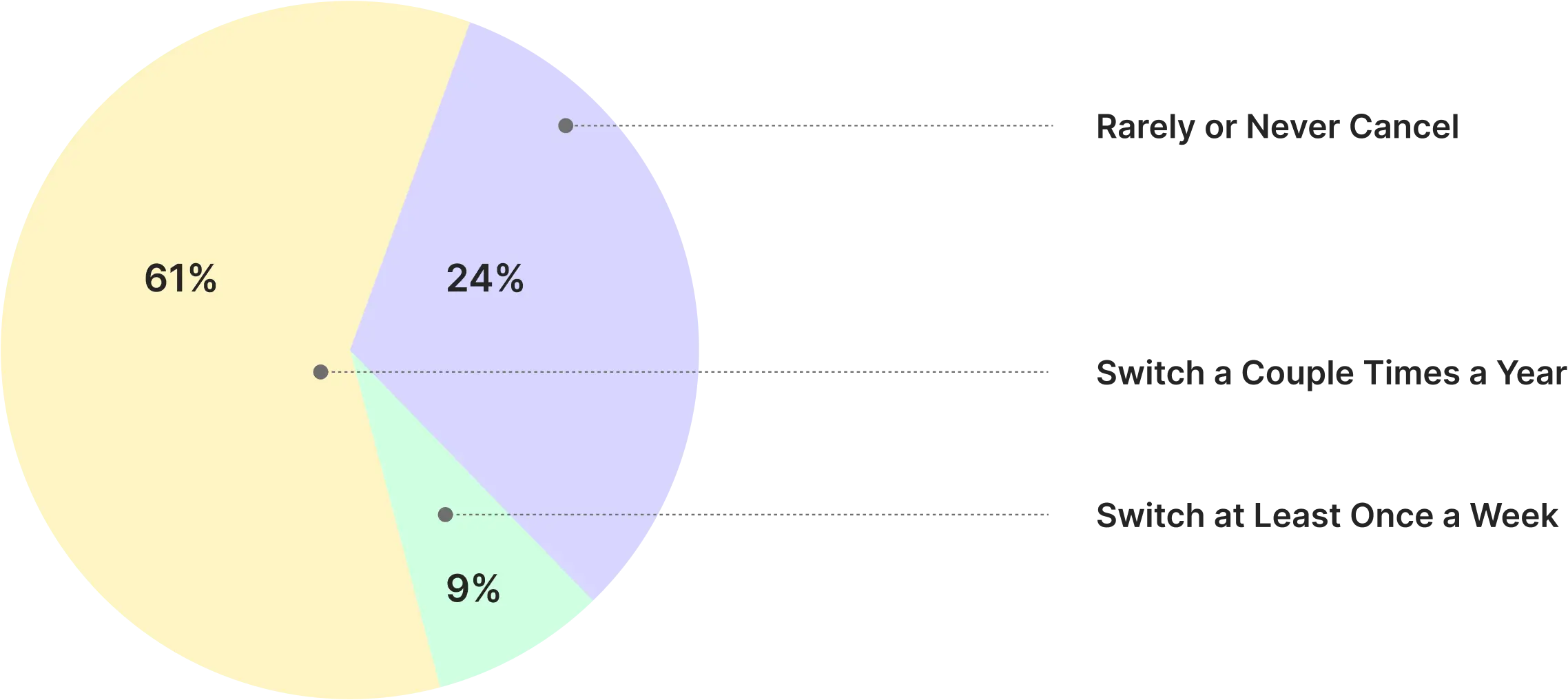
Gen Z, once again, does things differently. Over 1 in 5 (21%) hop between platforms weekly, five times the rate of baby boomers (4%).
Subscription cycling is common at relatively small rates across income levels, but it’s especially prevalent among lower earners. Those making under $50,000 are nearly twice as likely as those earning over $150,000 to cancel and restart services every few months (17% vs. 9%).
Subscription Cycling by Income Level
Income Level
% Who Cancel & Restart Every Few Months
Under $50,000
17%
Over $150,000
09%
For younger and budget viewers, rotating monthly or annual subscriptions has become a savvy way to cut costs while keeping content fresh.
Amid Crackdowns, Gen Zers Rely on Password Sharing
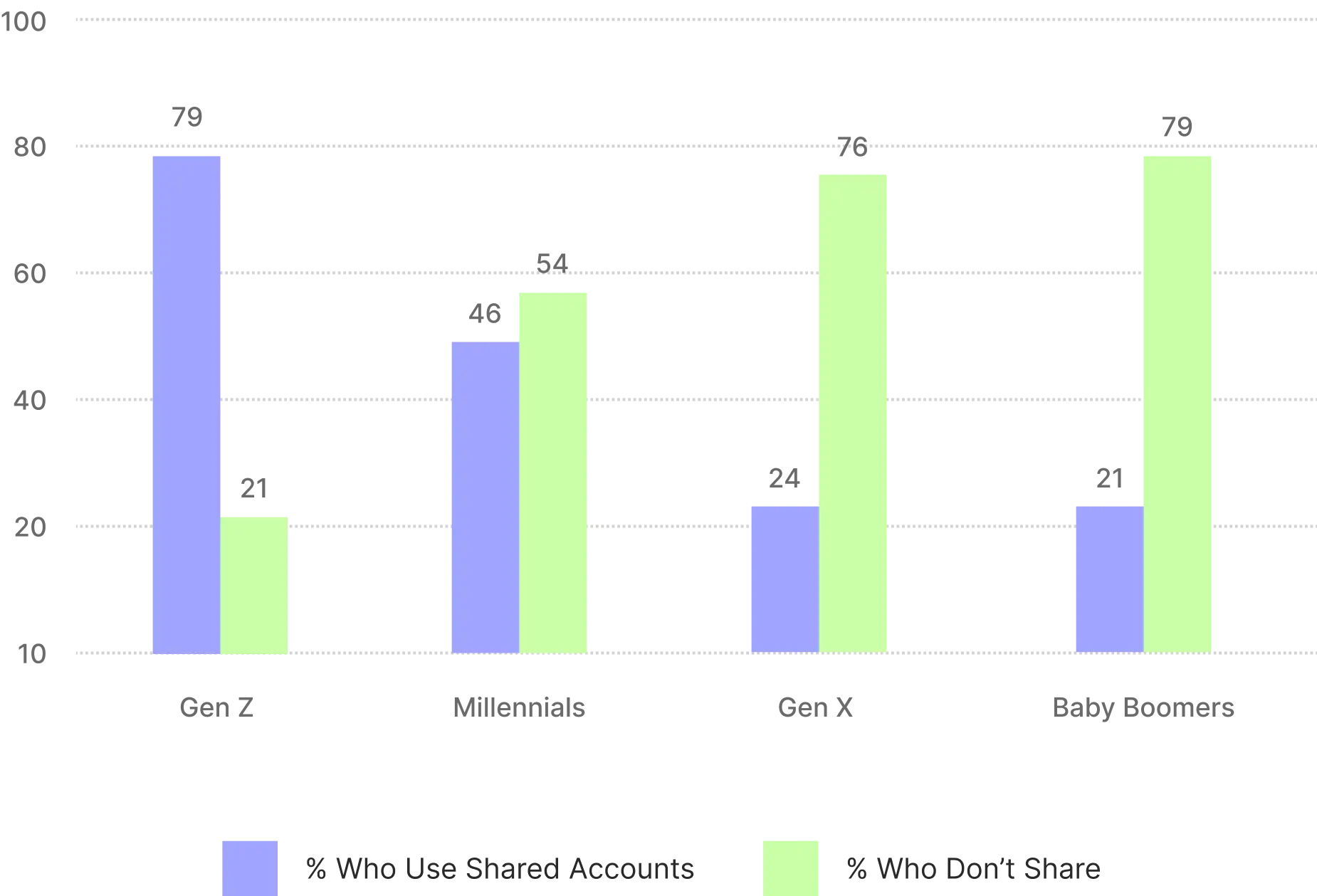
Another go-to money-saving tactic: sharing accounts. Despite efforts by streaming companies to shut it down, 37% of Americans still use someone else’s login information or share their own.
Streaming Login Sharing by Generation
This workaround is especially popular with Gen Z. A striking 79% use shared accounts. By contrast, the majority of older generations steer clear: 79% of baby boomers, 76% of Gen Xers, and 54% of millennials say they don’t share account information.
In Percentage %
Here’s What Americans Actually Want On Their Screens
— The Reality of Streaming Fatigue In 2025
While short-form videos are popular, watched often by 3 in 5 Americans, traditional forms of entertainment are still king. Here’s what Americans are watching:
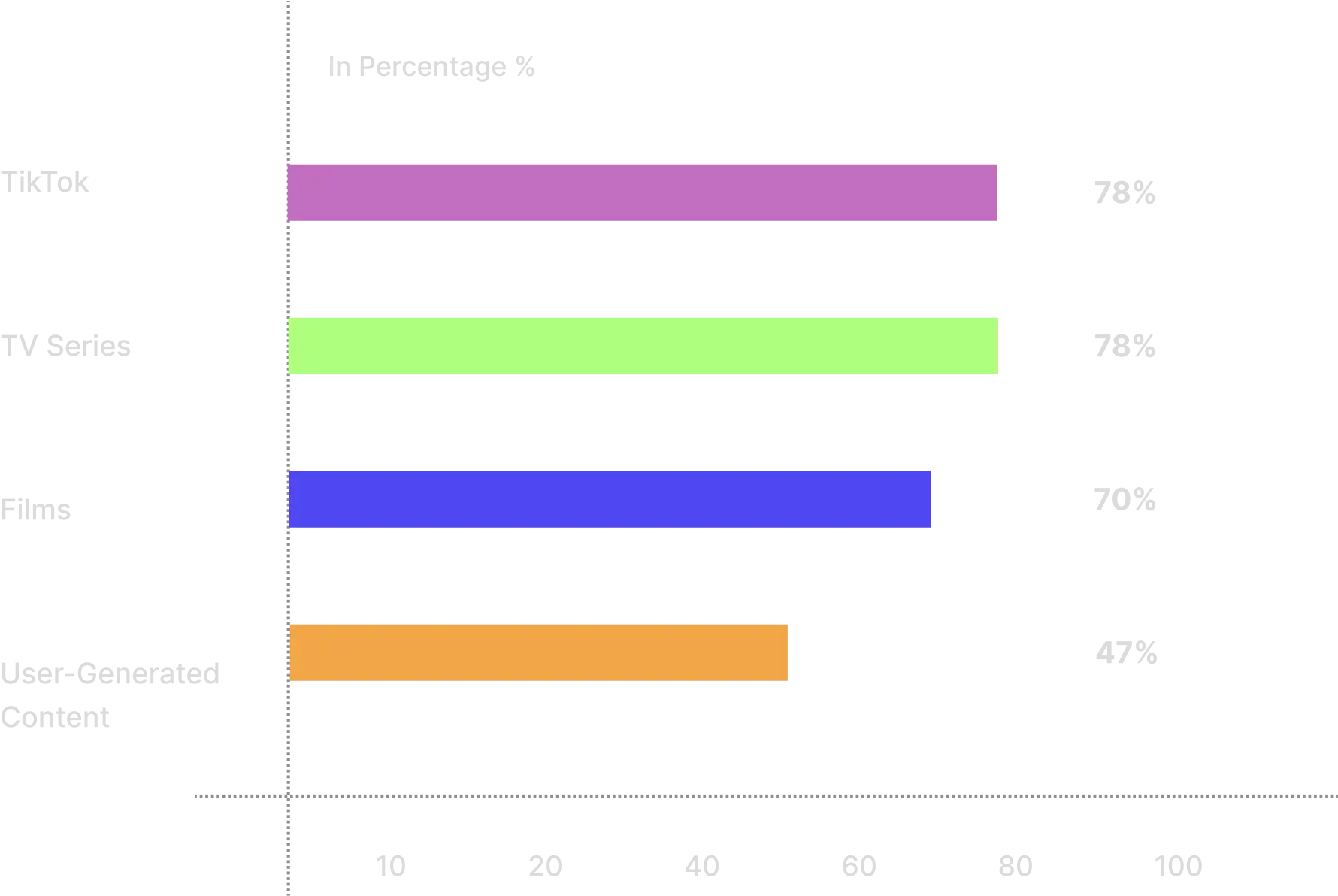
Gen Z Content Preferences
Gen Z may be known for their love of TikTok (78%) and user-generated content (47%), but they’re just as likely to watch traditional TV series (78%) and films (70%). In other words, Gen Z doesn’t choose different platforms than other generations — they simply consume more media than their older peers.
But, how do they decide what to turn on first?
When given the choice, nearly 3 of every 4 Americans (71%) opt for full-length shows or movies instead of short-form content. However, more than 1 in 5 (22%) watch traditional-length content and shorter content in equal measure.
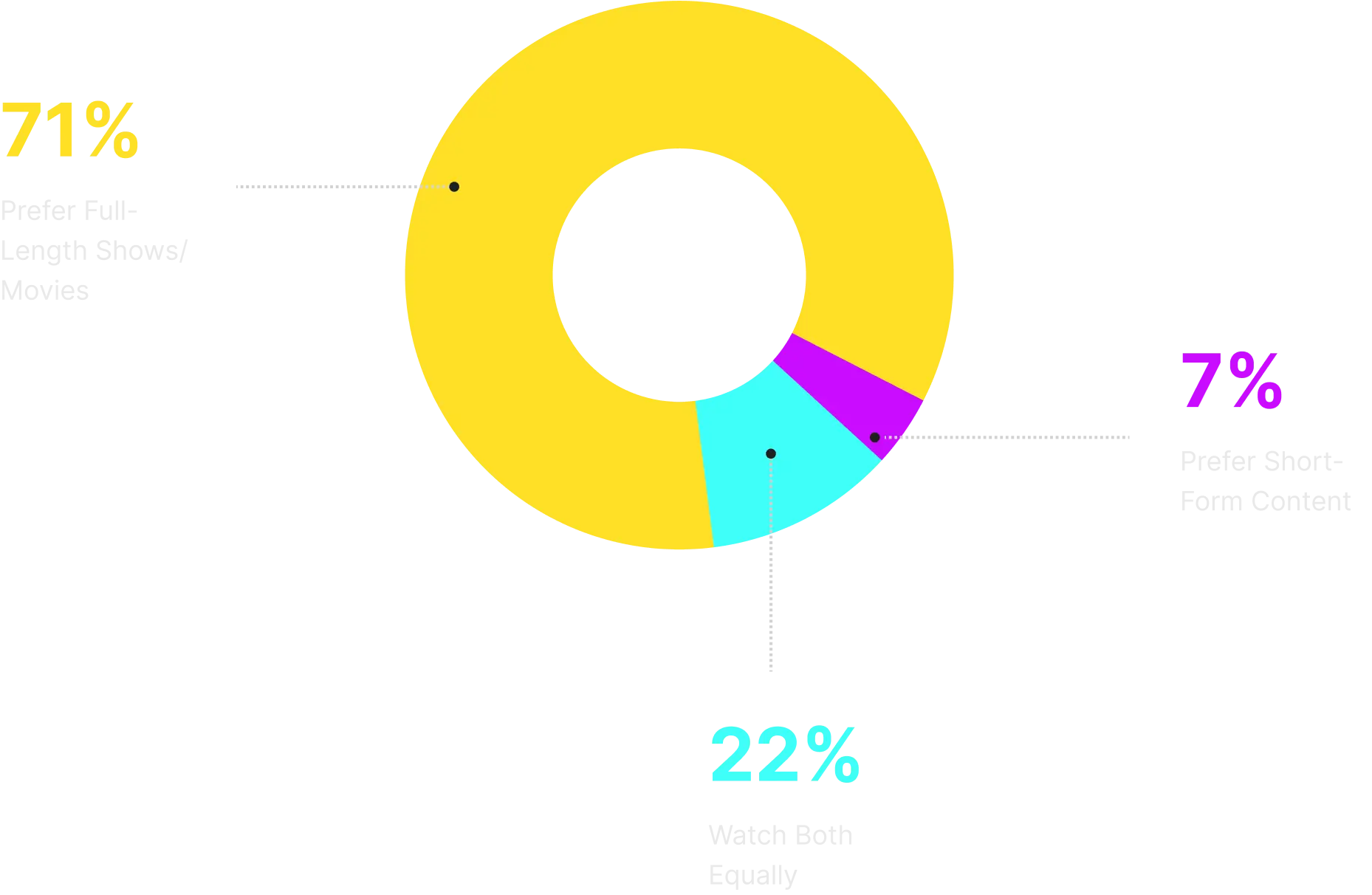
Even with their appetite for short-form video, two-thirds of Gen Z prioritize long-form content. A quarter (25%) balance both formats equally, while only 1 in 10 mostly stick to bite-sized videos instead of full-length features.
Americans across the board favor polished, professional production over user-generated content:
Over half of younger viewers — 54% of Gen Z and 63% of millennials — say they prefer studio-quality shows and films to user-generated content.
Endless Content vs. Viewers’ Fleeting Focus
With endless content at their fingertips, many Americans are embracing binge-watching. About 30% admit to bingeing entire series or multiple movies in one go. 35% prefer to pace themselves, watching just one episode or movie segment at a time.
Binge-watching is especially popular among younger viewers: 36% of Gen Zers and 35% of millennials indulge in marathon sessions, compared to 1 in 5 baby boomers.
While bingeing a favorite series or movie trilogy might be an occasional indulgence, watching short-form, user-generated content is a daily ritual for more than half (54%) of Americans. Another 1 in 4 watch TikTok videos or Instagram Reels a few times a week.
Short-Form Video Viewing Habits Among All Americans
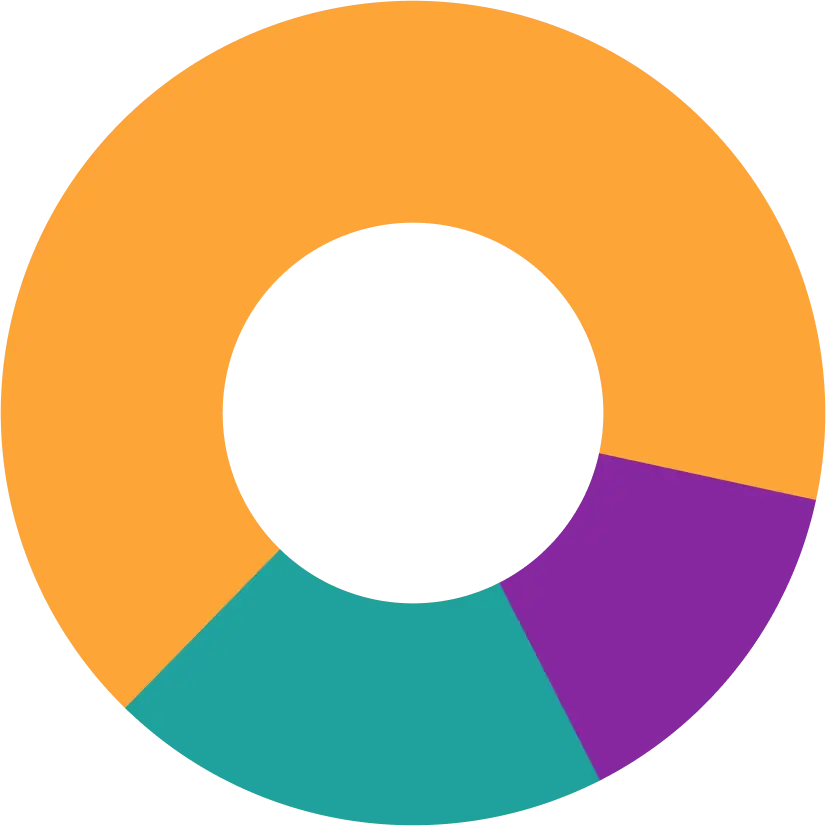
54%
Daily
25%
Few times/week
21%
Others (rarely/never)
The habit is most ingrained in Gen Z, as 79% consume short-form videos every day. Two-thirds of millennials and 55% of Gen Xers do the same. Among baby boomers, daily use is lower at 28%, but another 28% check in a few times per week.
With so many options in both long and short-form content, 89% of people tend to get restless looking for the next “bingeable” show or watchable influencer. Here’s how long Americans will keep something on if they don’t find it interesting:
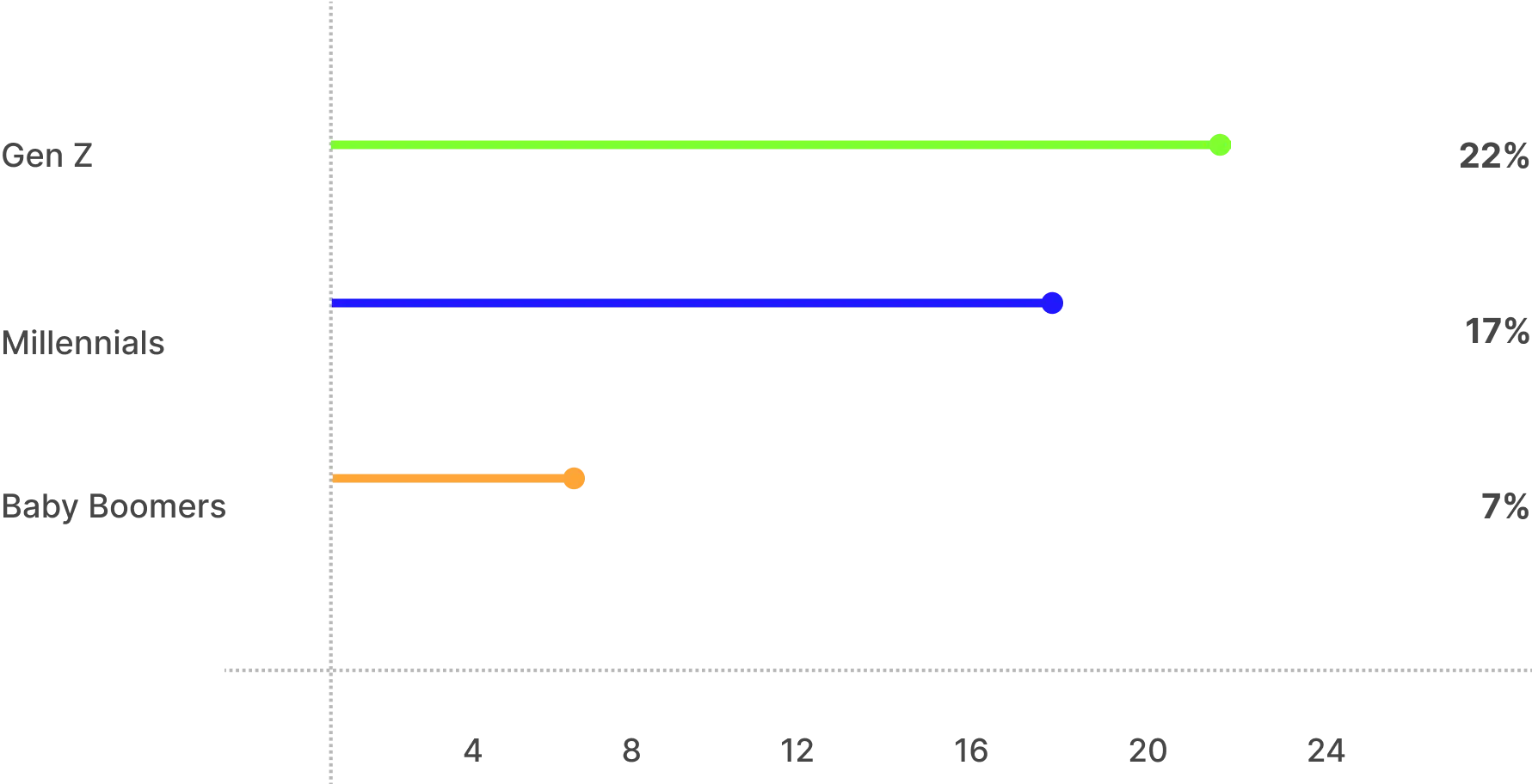
Gen Zers are the first to react. 22% will stop watching something within 10 seconds if it doesn’t inspire interest. This is more than triple the rate of baby boomers (7%) and ahead of 17% of millennials who do the same.
What Drives Americans To Press Play?
Americans aren’t just aimlessly scrolling through streaming menus. They’re guided by clear preferences when choosing what to watch. Here’s what influences their decisions, ranked from most to least important:
Across all generations, mood tops the list; viewers want content that matches how they’re feeling. Personal recommendations and availability consistently take the second or third spot for each age group.
The FOMO Is Real — Even for Content Americans Hate
Despite the availability of almost unlimited movies and series, Americans still hurry to watch new content when it becomes available. However, the level of urgency depends on the type of content.
- TV episodes: 64% of people watch within a few days of their release;
- Movies: 36% watch within a few days:
- Short-form videos (e.g., TikTok): 57%;
- Live sports, news, or award show broadcasts: 71%.
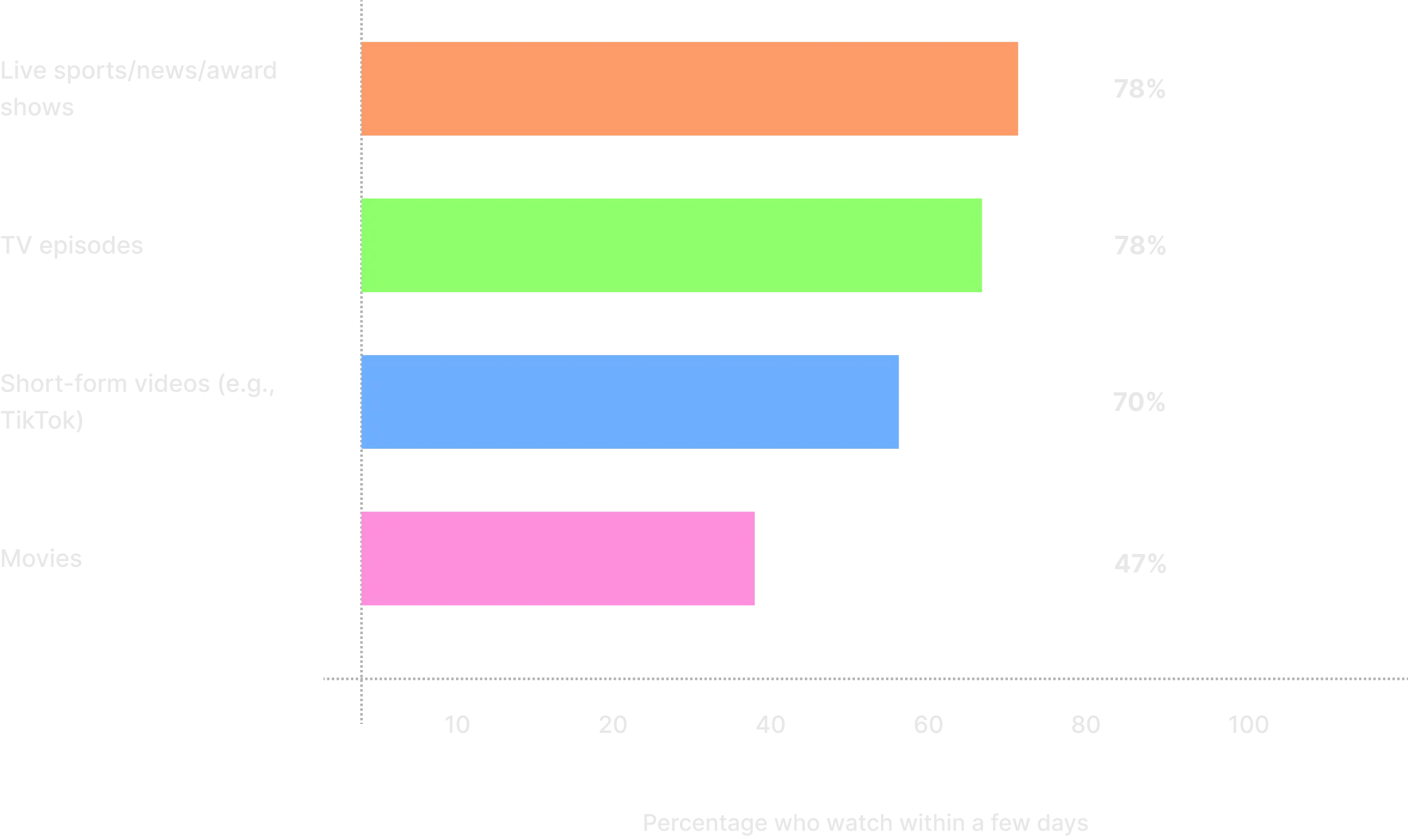
When it comes to movies, people are more patient. Over one-third (36%) are happy to wait a few weeks after a film’s release before watching, perhaps a leftover sentiment from attending traditional theaters.
Beyond entertainment, trending shows and viral content also drive social connection. Nearly 2 in 5 people (38%) admit to watching shows they don’t like, just to be part of the conversation. For 12%, this is a regular habit.
Gen Zers are the biggest culprits, with 1 in 4 often forcing themselves to watch content they don’t like to stay in the loop. By comparison, only 17% of millennials and just 3% of baby boomers do the same.
Gender plays a role, too. Nearly half of men (44%) watch things they don’t like, at least occasionally, so that they aren’t left out of conversations, but only one-third of women do the same.
Watching Content Just to Stay in the Loop
Category
Occasionally or Often Watch Disliked Content
Notes
All People
38%
Overall average
Gen Z
25%
Highest regular engagement
Millennials
17%
Mid-level tendency
Baby Boomers
3%
Lowest tendency
Men
44%
More likely to watch just to fit in
Women
33%
Less likely than men
American Audiences Dream of Reality
Americans might keep up with trending shows — even ones they don’t like — but when given the choice, they desire content that resonates more deeply.
Here’s what viewers are actually hoping to watch, ranked from most to least desired:
Every generation ranks authentic stories of everyday people and funny, feel-good content in the top two places.
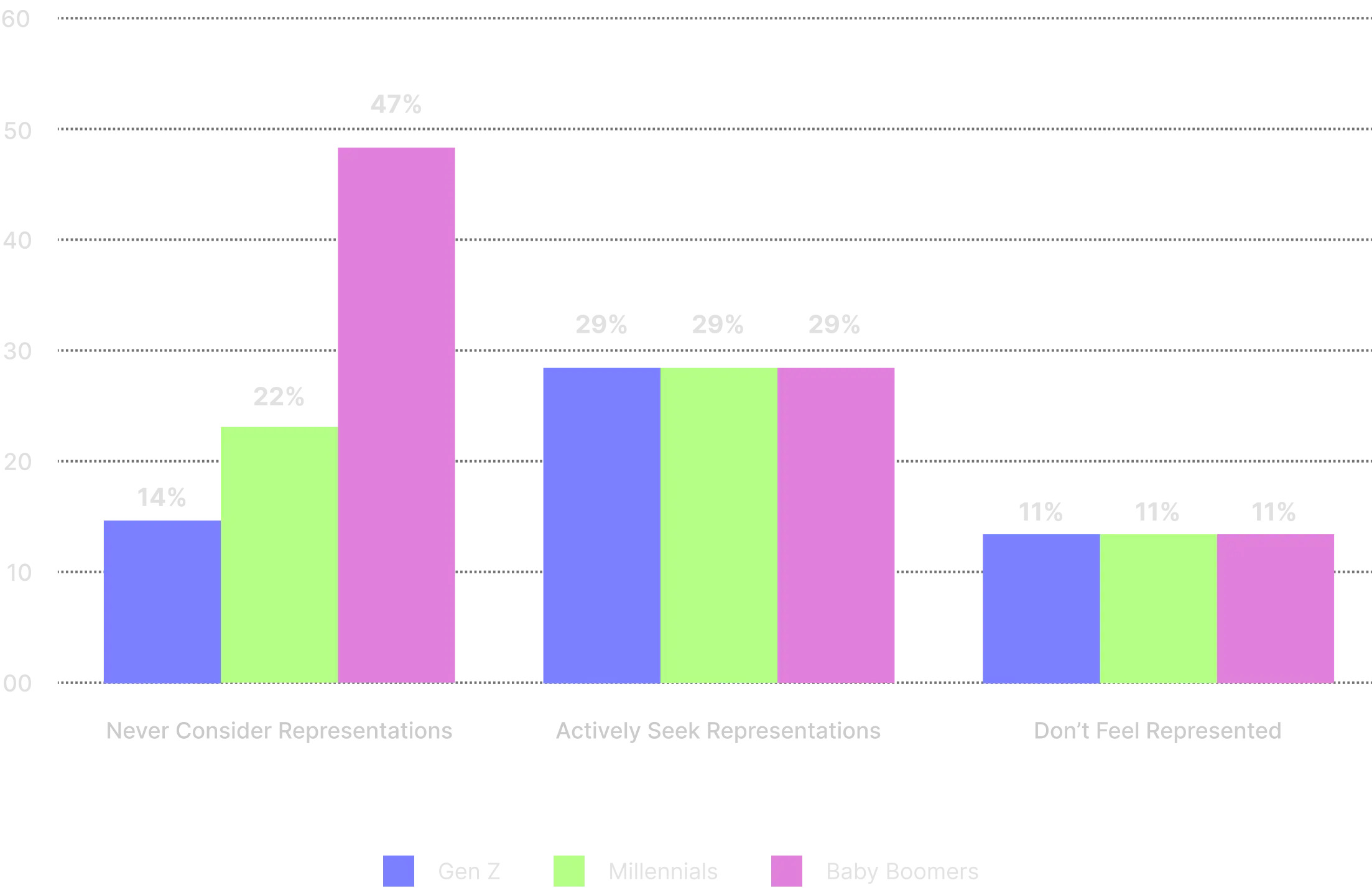
Does it matter whether people see themselves reflected on screen? For some, absolutely. More than 1 in 10 Americans (11%) say they don’t feel represented in the content they watch. On the other hand, 29% actively seek out content that reflects their identity.
Still, for the majority — 61% — representation doesn’t influence viewing choices.
But generational divides reveal deeper patterns. Nearly half of baby boomers (47%) say they never consider representation when choosing what to watch. That number drops sharply among younger audiences: only 22% of millennials and just 14% of Gen Zers say the same.
How generations view representation in content
Constant Content: Self-Care or Digital Drain?
— The Reality of Streaming Fatigue In 2025
Americans are divided on the mental health effects of constant access to video content. Over a third (35%) don’t think having an endless library of content at their fingertips day and night has any effect on their mental health. Another one-third feel empowered or inspired by being connected to different information and viewpoints from all over the world.
However, the remaining 32% think the constant stream of media has a negative impact. They say it leaves them feeling anxious, drained, overwhelmed, or simply disconnected from real life.
Different generations have different opinions on the mental health effects of media access.
Mental Health Impact of Constant Video Content Access
35%
No Effect
32%
Empowered Or
Informed
33%
Anxious, Drained, Or
Disconnected
The data suggests that younger Americans are more emotionally sensitive to the effects of constant content access.
The source of stress varies, but some patterns stand out. A third of Americans point to doomscrolling (reading about war, disasters, and political conflicts) as a source of anxiety. Others cite graphic violence (27%) and social media drama or arguments (26%).
Here are the biggest triggers for each generation:
Top Sources of Media-Induced Stress Among Americans
Source of Stress
Percentage
Doomscrolling
33%
Graphic Violence
27%
Social Media Drama/Arguments
26%
Only 1 in 4 Americans (27%) say video content doesn’t affect them. Again, Gen Z stands out as the most sensitive to troubling content, with just 15% saying they’re unaffected by the content they consume.
Bed Rotting: The New Digital Escape
“Bed rotting” — spending hours in bed doing little more than watching videos or scrolling on social media — has become a familiar ritual for many Americans. A third admit to doing it at least a few times a week.
How long do people tune out? When it comes to screen time in a single sitting:
While this passive viewing activity might not directly interrupt productivity, if it happens at night, it has a clear downside: lost sleep.
30%
of Americans lose sleep every night because they’re watching videos.
33%
choose video content over getting enough sleep a few times per week.
38%
rarely or never let viewing habits interfere with sleep.
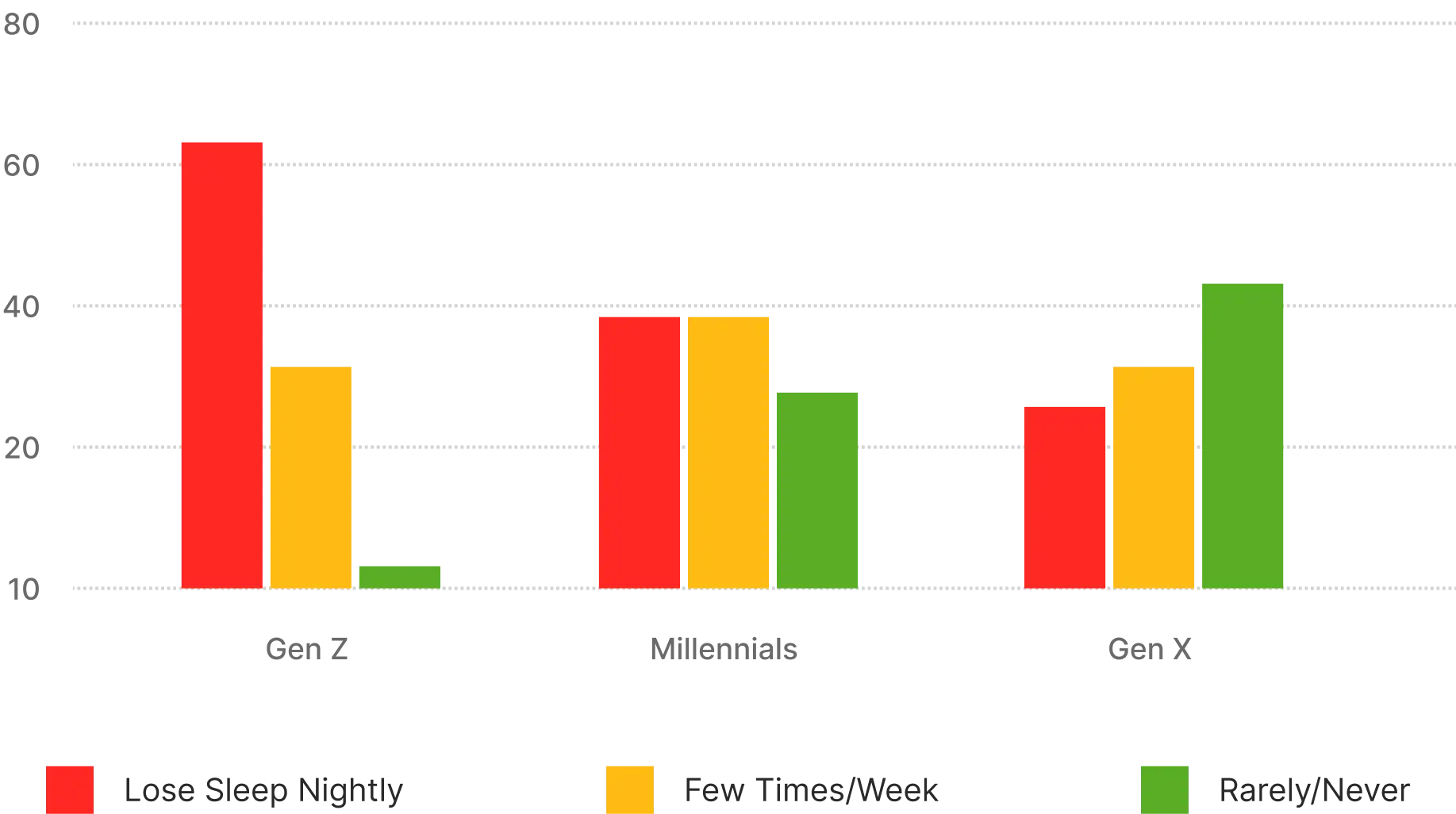
Gen Z in particular isn’t getting their rest: 62% choose screentime over sleep nightly, 29% binge at night a few times per week, and only 9% rarely or never watch content after their normal bedtime.
In contrast, 23% of Gen Xers and 37% of millennials lose sleep nightly because they’re streaming shows, social media videos, or sports. 34% of Gen Xers and 38% of millennials engage in after-hours viewing a few times per week, and 43% and 25%, respectively, rarely let viewing interfere with sleep.
Is America Hitting Fast Forward or Rewind When It Comes to Tech?
— The Reality of Streaming Fatigue In 2025
Americans have always embraced new entertainment options, from Netflix to TikTok. As we’ve seen, people are even willing to watch things they don’t necessarily enjoy just to keep up with the latest trends. At the same time, when it comes to technology itself, people are a bit more skeptical.
While AI-generated videos are starting to appear on screens, viewers remain hesitant. For most, this emerging tech still can’t replace the storytelling, polish, or emotional pull of traditional productions.
63% of Americans Are Open to AI-Generated Videos

That said, almost 2 in 3 Americans are intrigued by AI-generated content — and 12% are ready to support it.
Still, many, especially filmmakers, writers, and other creatives, remain unconvinced.
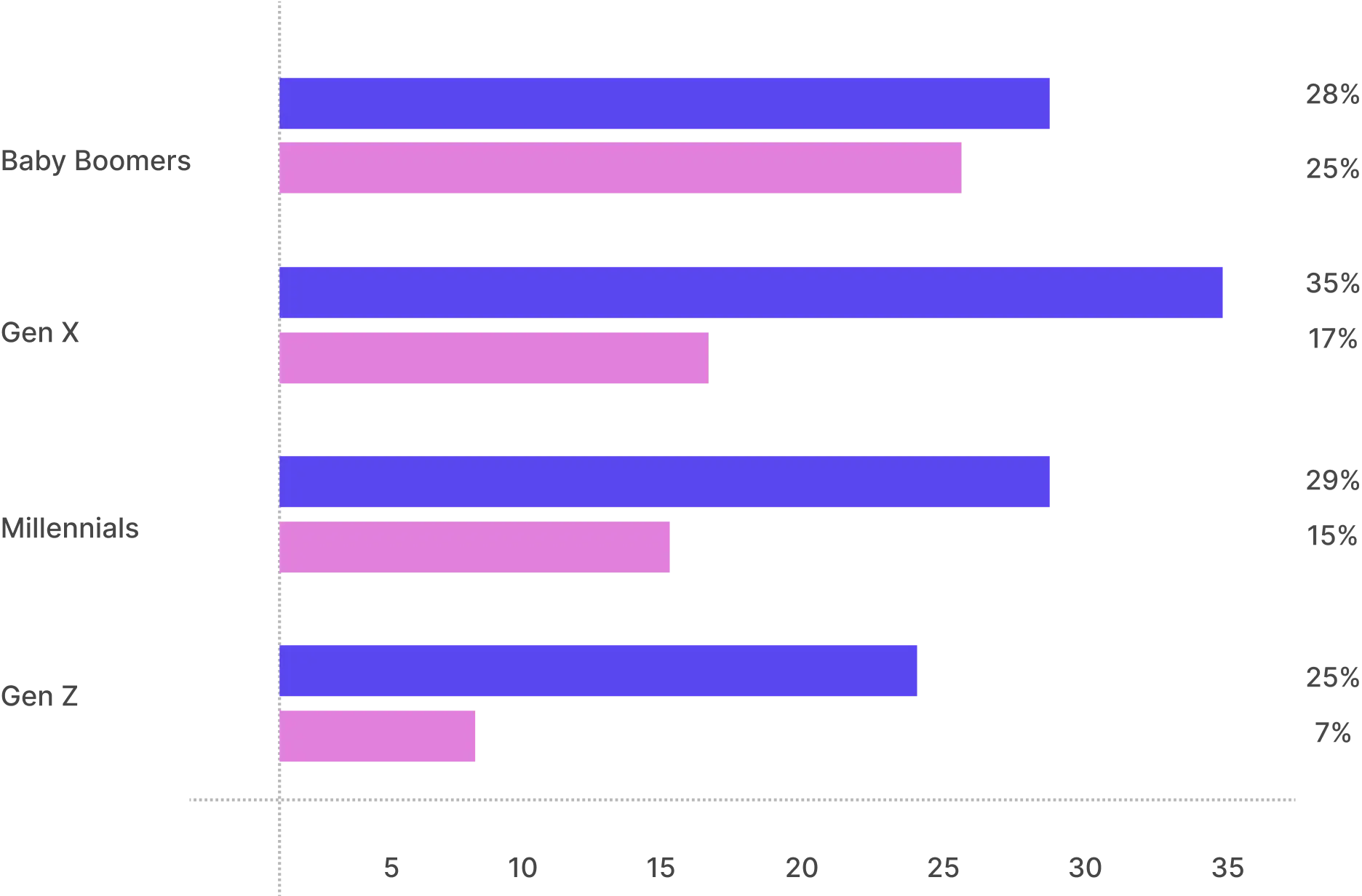
28% of baby boomers and 35% of Gen Xers are willing to give AI a chance, saying they’re open-minded about AI and would watch it if the quality matched human-produced content. 29% of millennials and 25% of Gen Zers say the same.
At the same time, older generations express more caution. A quarter of baby boomers refuse to watch AI at all. That figure drops to 17% and 15% for Gen X and millennials, respectively, but only 7% of Gen Zers have a totally negative view of AI.
Though younger viewers are more likely to embrace AI, they don’t necessarily want to see it replace traditional storytelling. Remember when asked what types of content they’d like to see more of, every generation ranked AI-generated and experimental storytelling last or next to last — far behind authentic human stories, blockbuster films, and user-generated content.
The takeaway? Americans are open to innovation, but not at the cost of emotional connection or quality.
There’s No Place Like the Big Screen at Home
Americans haven’t given up on traditional entertainment, but they aren’t rushing to movie theaters either. 2 in 3 say their ideal setup for watching content is a big-screen TV in their home connected to a streaming service.
Only 13% prefer a smaller device like their phone or laptop, and 16% would rather go to a traditional cinema experience.
Affordable Home Theater Furniture
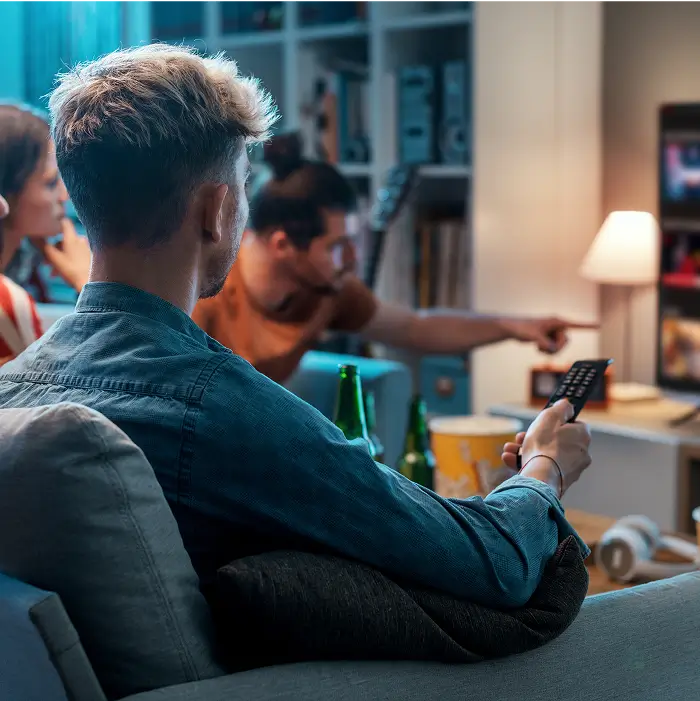
What’s driving this home-first trend? Improved screen quality, affordable home theater furniture, and the ease of on-demand content make the couch-to-screen setup a no-brainer. This preference holds across generations, with one major exception.



While around 63-69% of baby boomers, Gen Xers, and millennials prefer the home theater experience, only 47% of Gen Zers feel the same. Instead, 31% of Gen Z favor small-screen viewing — phones, tablets, or laptops — compared to about 1 in 10 for older generations.
Yet Gen Z doesn’t completely reject tradition. In fact, 1 in 5 Gen Zers prefer watching movies in a theater, higher than the 15% average across other age groups.

Cinema Experience
Home Theater

Small Screen Viewing
Cost also plays a role in screen choice. 1 of 4 high-income earners ($150,000+) prefer a movie theater experience, with 64% watching at home on a big-screen TV, and only 2% watching on their phone. Only 12% of those earning less than $50,000 opt for the theater, with 62% choosing TV at home and 11% watching on their phone.
Viewing Preferences by Income Group
| Income by Group | Cinema | Home TV | Phone |
|---|---|---|---|
| High Income ($150k+) | 25% | 64% | 2% |
| Low Income (<$50k) | 12% | 62% | 11% |
Despite Streaming, 40% of Americans Still Buy Physical Media
Even with the dominance of streaming, 40% of Americans still buy physical media (DVDs, Blu-rays, or video cassettes). The motivation for doing this ranges from preferring physical copies to wanting copies of their favorite shows and movies in case streaming platforms remove them.

Who is most likely to buy physical media? It’s not who you might expect:
Despite their embrace of streaming and short-form video, younger viewers still value traditional formats — whether it’s playing a DVD on a home theater screen or catching a blockbuster in theaters.
Streaming offers unprecedented variety and convenience, but Americans are increasingly caught in its double-edged nature. From choosing between screen time and sleep, to filtering out content that impacts mental health, to questioning whether AI belongs in entertainment, audiences are bombarded with decisions — and it’s wearing them down. To break through the noise, viewers should take back control, moving beyond algorithms and hype, and choosing content that is meaningful, authentic, and that builds connection.
Methodology
— The Reality of Streaming Fatigue In 2025

Surveyed 1,000 Americans Across Generations
We surveyed 1,000 Americans across generations, income levels, and regions to capture a comprehensive snapshot of entertainment habits in the United States. This diverse sample revealed broad national trends and surfaced nuanced patterns within specific age and income groups.
Rather than focusing solely on platform preferences, we explored the full spectrum of the streaming experience. Respondents shared their views on subscription costs, password sharing, binge-watching behaviors, AI-generated content, and even the relevance of physical media in a digital age. Together, these insights offer a well-rounded look at the evolving state of video content in America.
Fair Use Policy
Readers are welcome to use the analyses and findings from this study for noncommercial purposes, such as academic research, educational presentations, and personal reference. However, when referencing or citing this article, please ensure proper attribution. Direct linking to this article is permissible and encouraged to provide readers with access to the primary source.
For commercial use or publication purposes — including but not limited to media outlets, websites, and promotional materials — please contact the authors for permission and licensing details. We appreciate your respect for intellectual property rights and adherence to ethical citation practices.
Thank you for your
interest in our research.