Unleashing Creativity
The Educational Power of
Filmmaking
for Youth
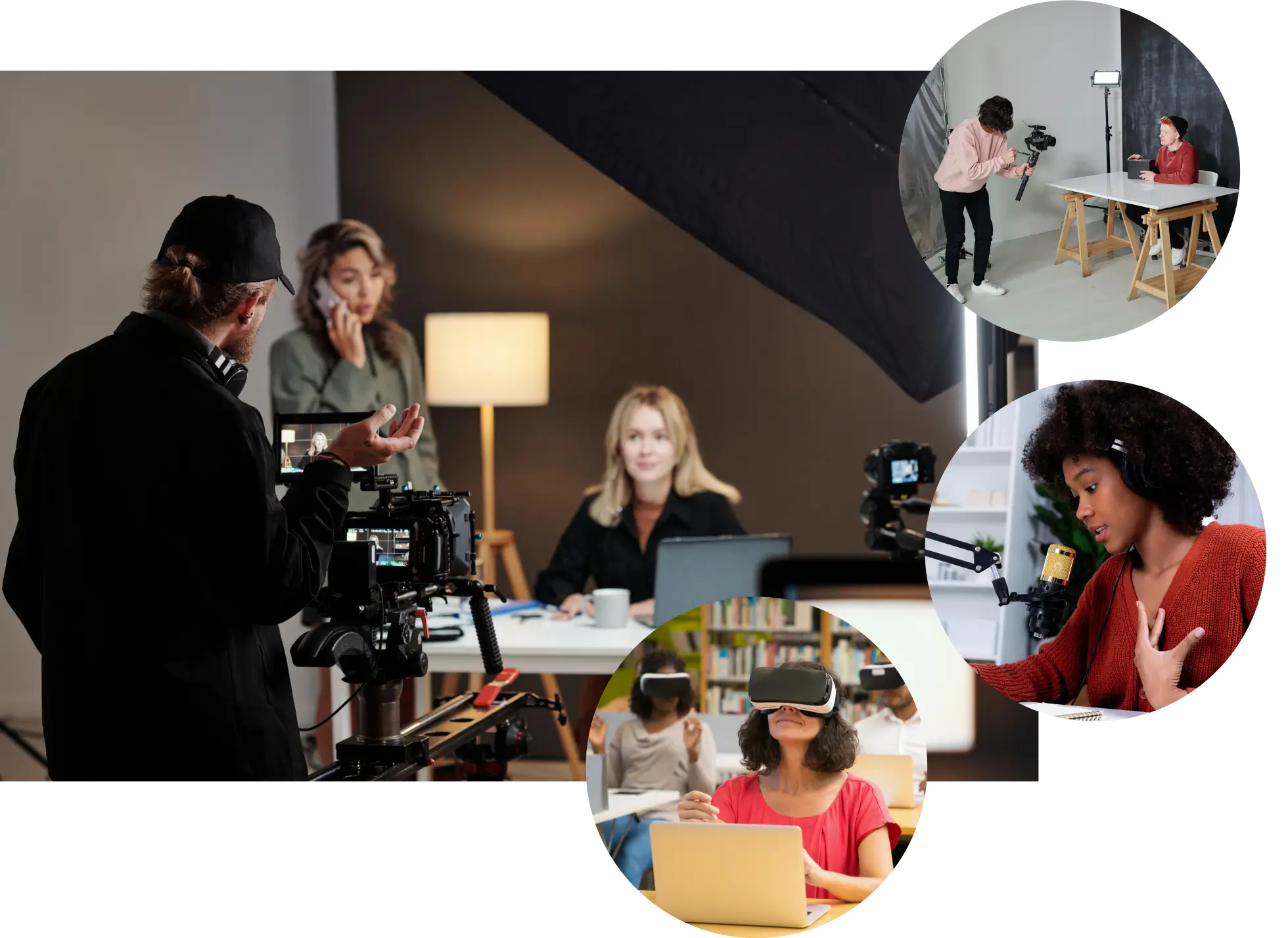
Generally speaking, storytelling has changed a fair bit since the days where we’d be confined to books and random verbal tales – nowadays, whether it’s because of how advanced technology is becoming or a more general shift away from written content, filmmaking has become far more realistic in its application in education.

bring stories to life
From engaging visual narratives to high-quality scripts, students now have the opportunity to bring stories to life, and with this comes a much more interactive and overall more relatable element to teaching.

storytelling in different ways
Obviously, it goes without saying that filmmaking isn’t anything new, so when I say it’s a more modern way of telling stories, I’m talking about its use as an educational tool. Rather than relying strictly on their writing skills – from their vocabulary to writing structure skills – filmmaking means they can tell their story in a bunch of different ways, including:

Visually

Auditorily

Kinesthetically
Do you see how those mediums can become redundant when it’s just reading pages from a book? This way, they’re now able to collaborate better and think more critically and creatively, and it also happens to just be incredibly enjoyable and interactive as far as a group of young students is concerned – let’s dive a bit deeper into this:

Understanding
the Educational
Benefits of Filmmaking
Unleashing Creativity
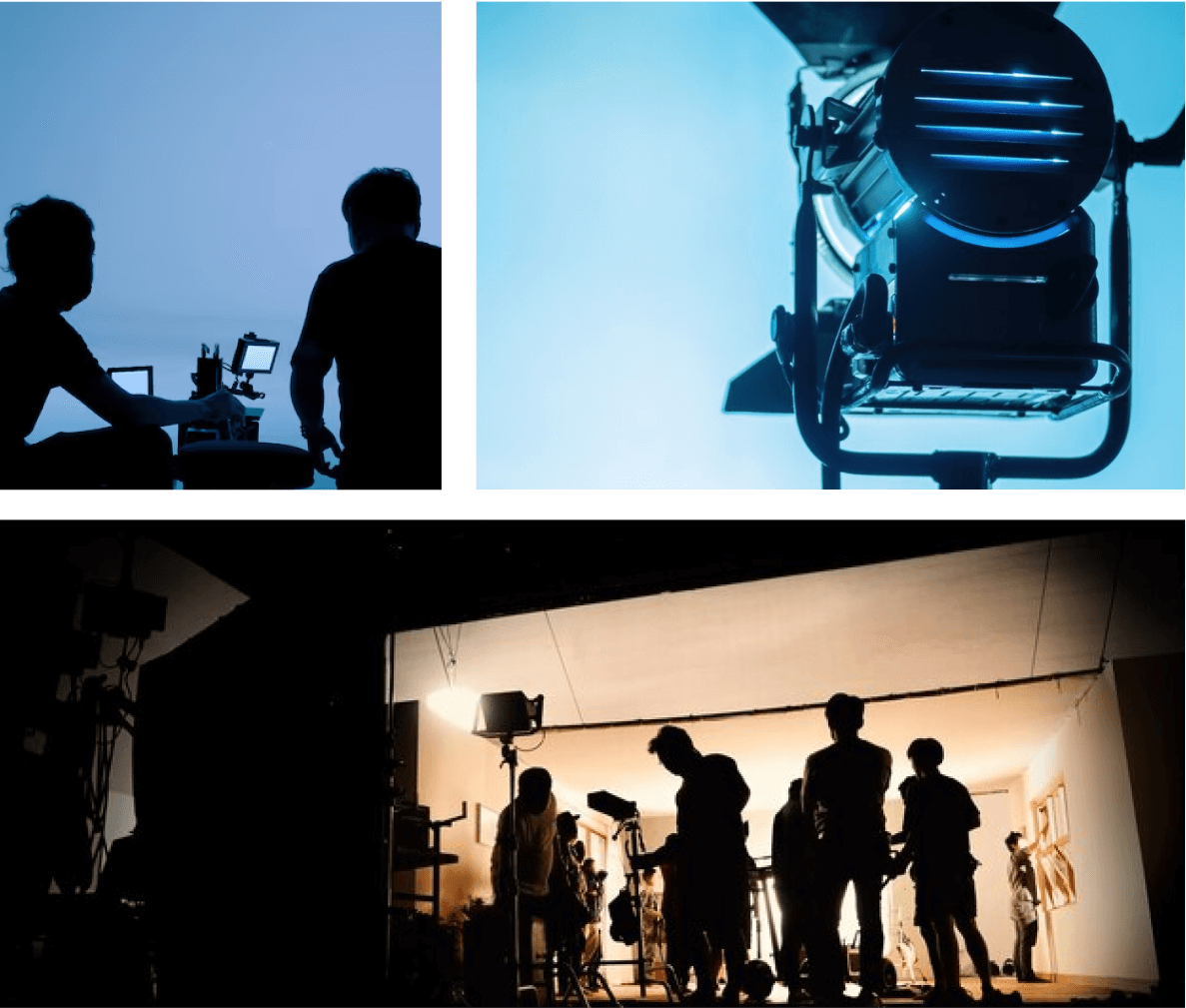

Now, there’s nothing particularly wrong with creative writing and storytelling through mediums like books and short stories – there’s no issue with that, but the point I’m making here is that it excludes all the other benefits that come with filmmaking, such as:
Enhancing Creativity
and Self-Expression

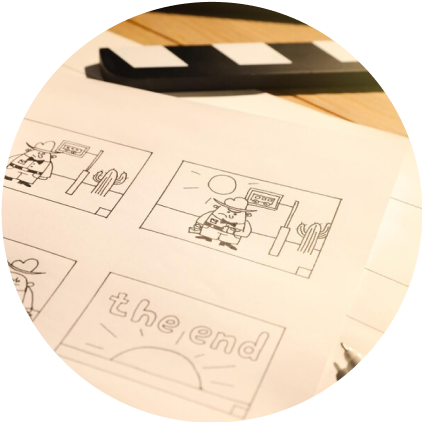
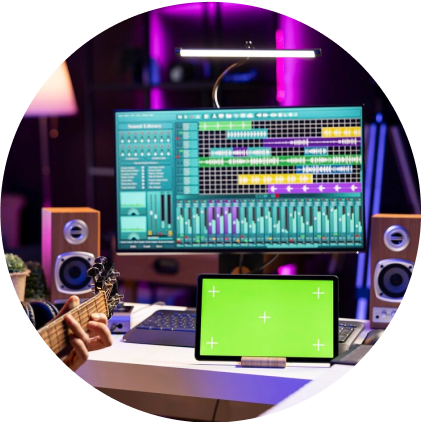
Just to reiterate there, filmmaking gives the students a chance to express themselves in a way that you’re probably not going to find with most traditional methods, given the number of senses and aspects it combines, like
filmmaking combination
You get plenty of opportunities for creativity when it comes to writing, but the main thing I’m trying to hammer home here is that it doesn’t combine writing, visuals and audio in the same way that filmmaking does – you have to use your imagination a lot more as the reader, which, while entertaining in a lot of senses, is generally a bit lighter of a creative task for students than filmmaking.

Writing
+
Visuals
+
Sound

Cultivating Critical
Thinking and Problem-
Solving Skills
It goes without saying that making a film involves a great deal of planning and critical thinking, since the students are going to need to outline their projects, anticipate what kinds of challenges or limitations they might be met with, and come up with new solutions on the fly.
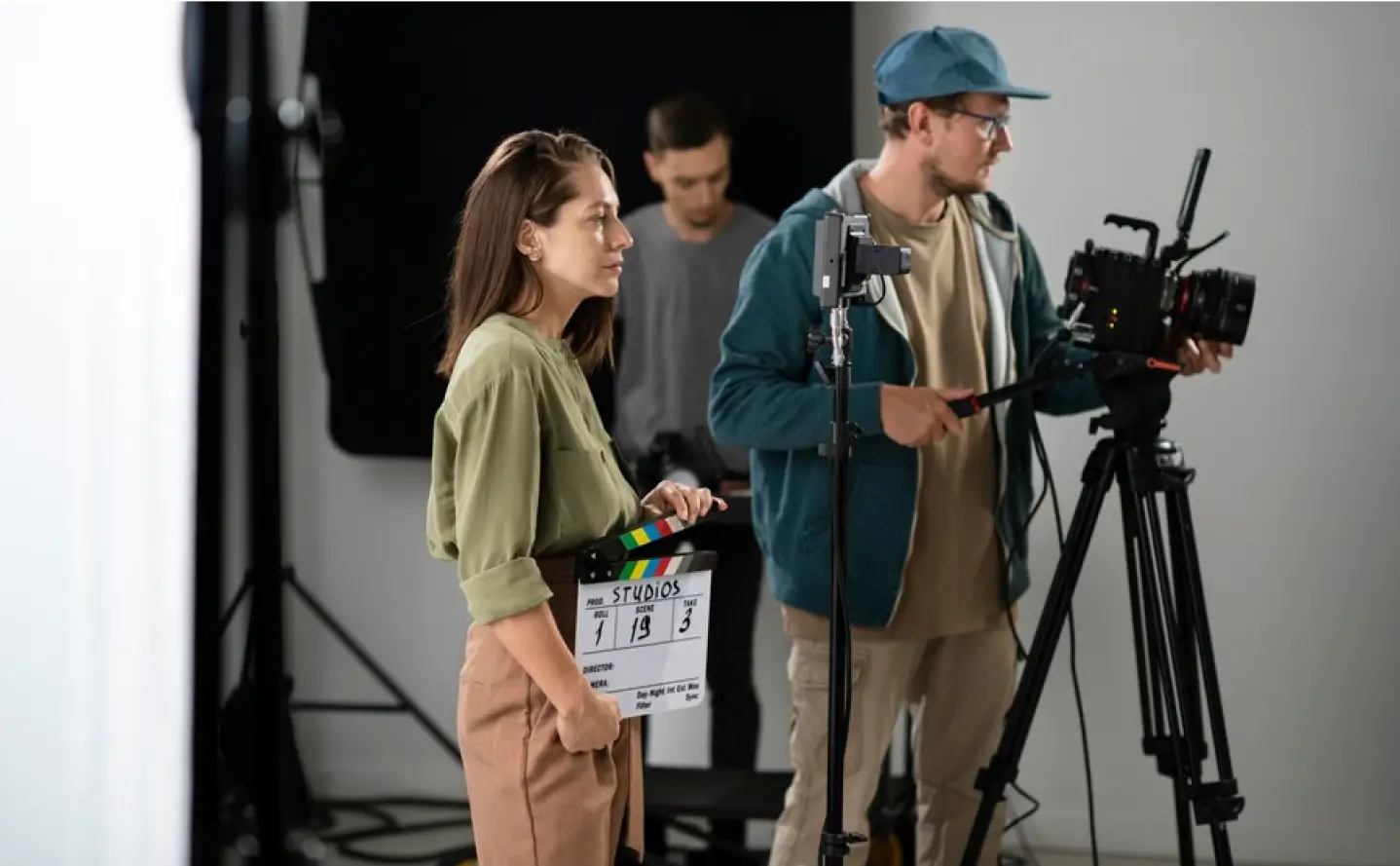

As such, this means they’re going to need to critically think about literally every aspect of their work – whether it’s story structure and character development to how they’re actually going to execute it on a technical level.
The thing is, though, these are actually invaluable skills to have as a student, as they’re not only able to use them to tackle problems in a creative and methodical way when it comes to filmmaking but in general life, too.
Fostering Collaboration
and Teamwork
We’re naturally going to be making a lot of comparisons to creative writing in short stories throughout this article as a reference point to why filmmaking is so educational, so keep this in mind if you think I’m repeating myself a bit.
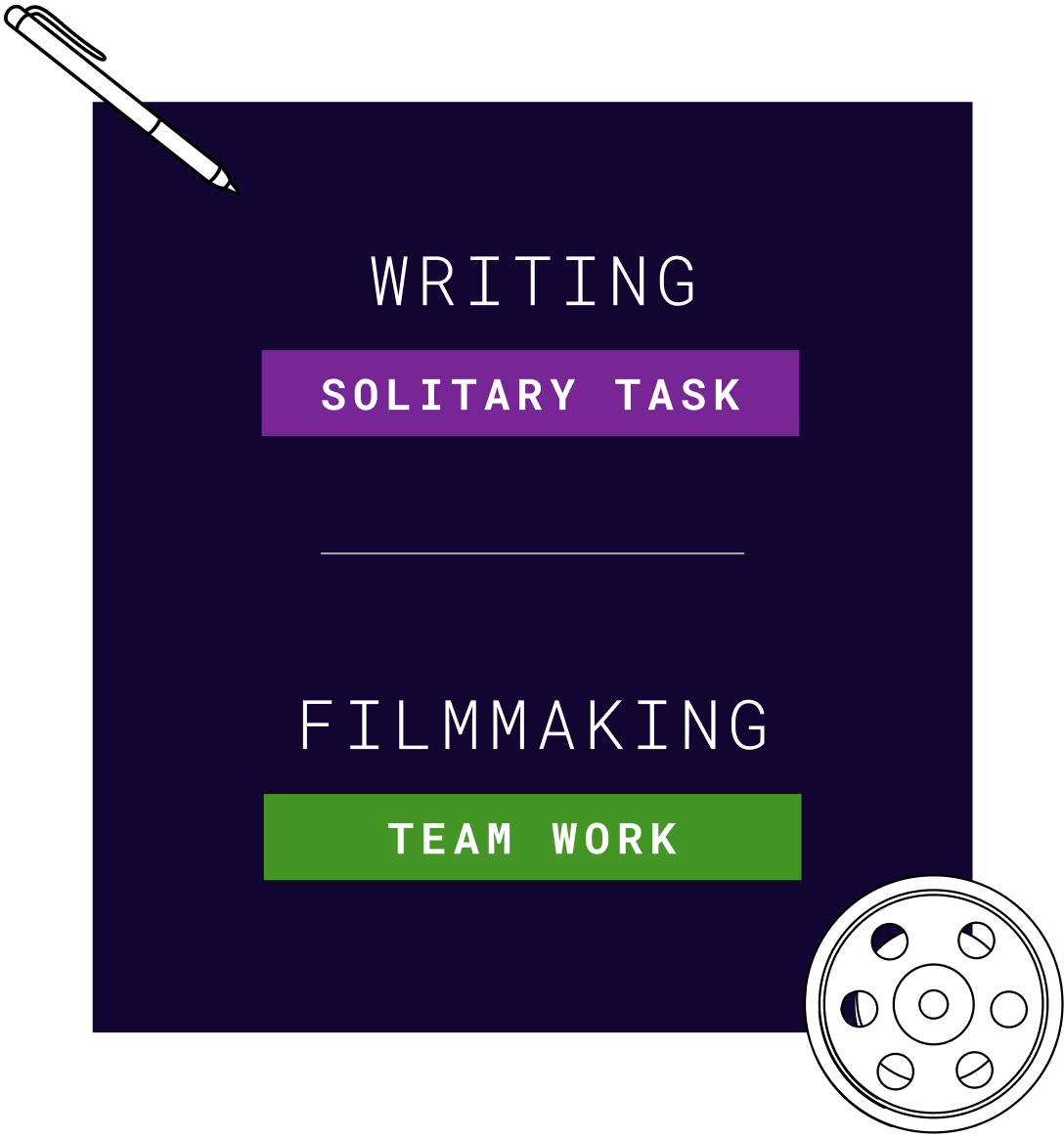
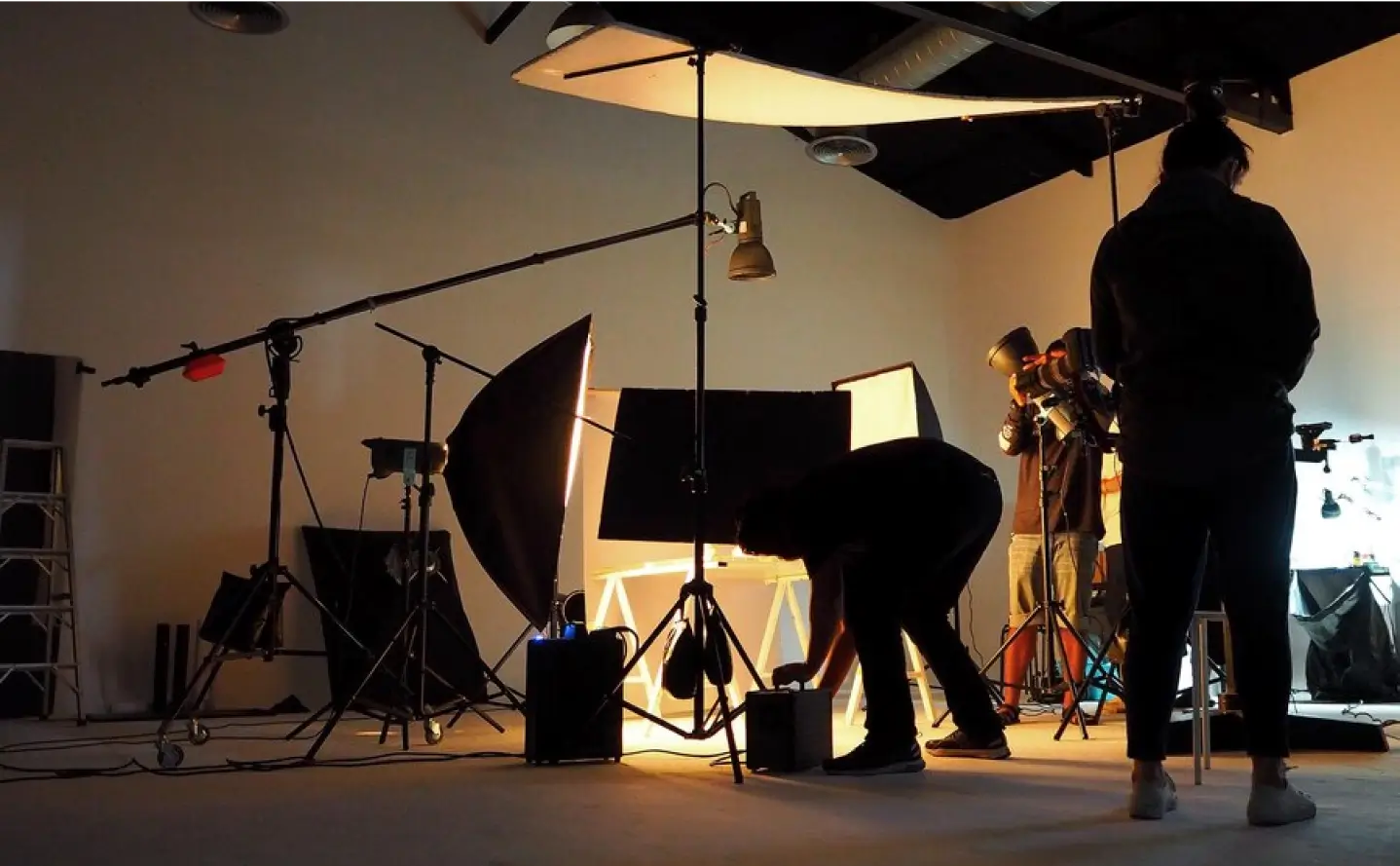
With that said, story writing is generally a pretty insular, solitary task – sure, a writer might have a few helpers with certain aspects, but it’s nothing compared to ten-minute-long credit sequences at the end of any great film you’ve watched. Filmmaking, on the other hand, is far more of a team effort since it involves a bunch of different roles, from the directors and writers to the actors and editors.
As a result, it’s a much more collaborative approach to education as it teaches the students the power of teamwork and communication, allowing them to
Not only this, but it means the students are able to develop leadership skills and manage group dynamics a lot more effectively – again, when are you going to get this opportunity when sitting down writing a creative novel or short story?
Developing Digital
Literacy and
Communication Skills
Going back to that earlier point of technology being far more advanced nowadays and how we’re living in an increasingly digital world, you’re going to need to be tech-savvy to get anywhere.
introduction to digital tools
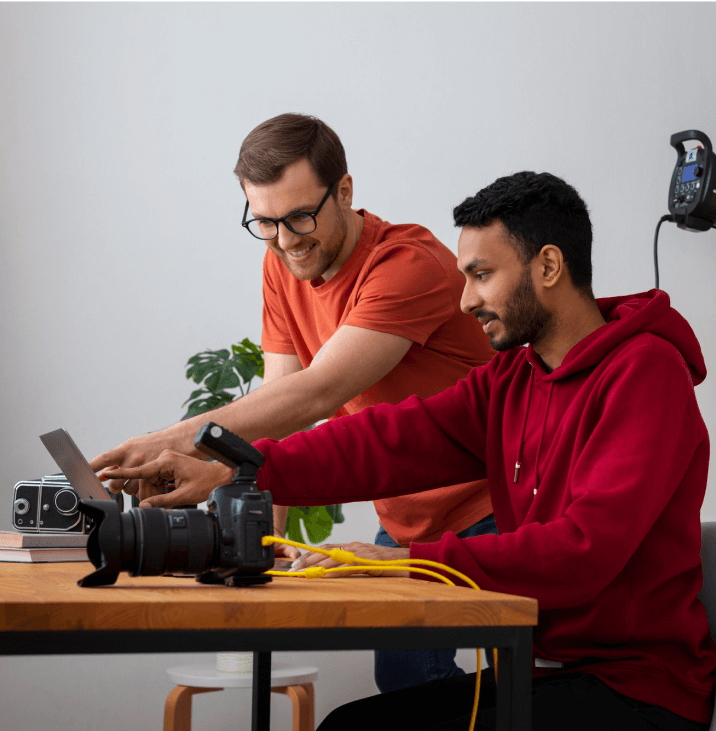
Admittedly, this perhaps a slightly more minor point than some of the core points I made earlier, but filmmaking introduces the students to a bunch of different digital tools and software that they’ve probably never used before – at least not while holding a pen and staring at a blank piece of paper – thus boosting their general digital literacy skills.
Cameras
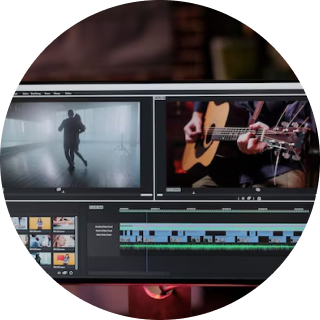
Edit Footage

Special Effects
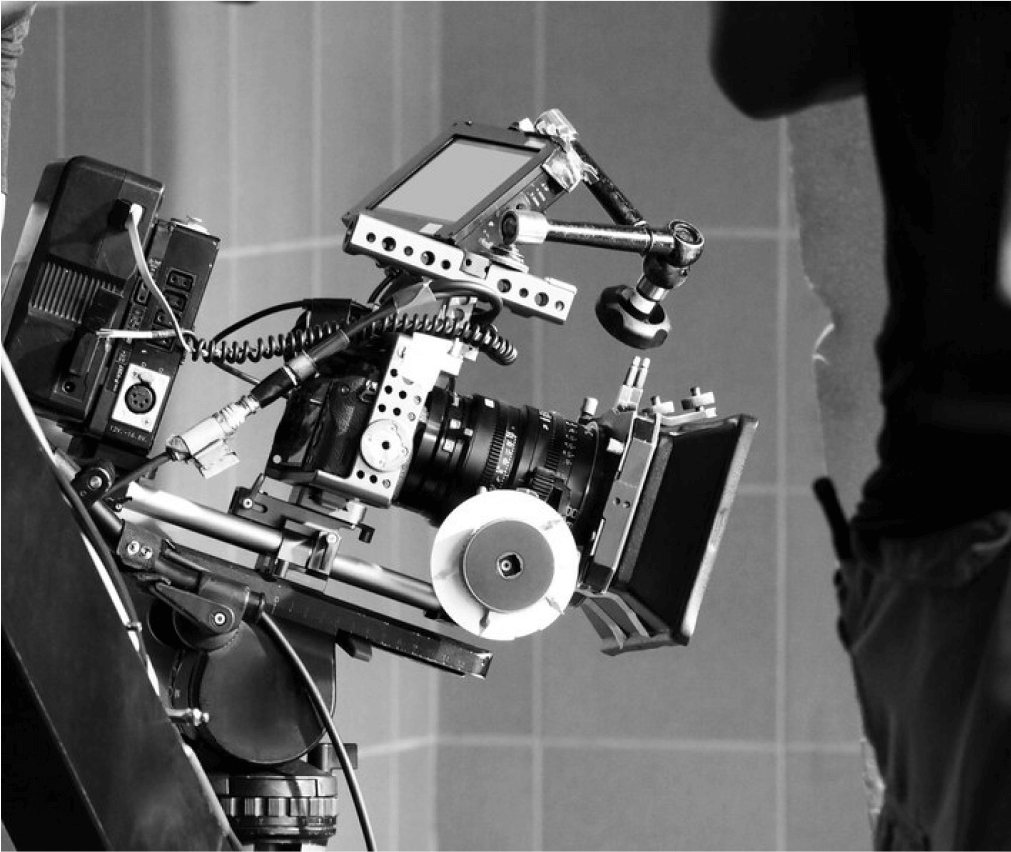
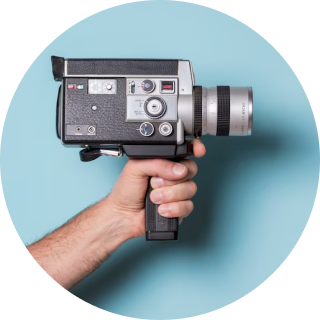
When they start learning about filmmaking, they’re going to learn how to do things like operate cameras, edit footage (which means they’re also going to need to become familiar with various software to facilitate this), and use special effects – all of which give them some absolutely invaluable technical skills in this, again, digital world that we’re accelerating into.
Aside from this, though, creating and subsequently presenting films can help improve their communication abilities, too, since it necessitates conveying a message in a clear and persuasive manner – both visually and verbally.
It goes without saying that this kind of thing can do wonders for the confidence of a shy student, which makes a lot of these transferable to other areas of study and future careers, only further underscoring why filmmaking is a versatile tool for education.
Case Studies
and Success Stories
Unleashing Creativity
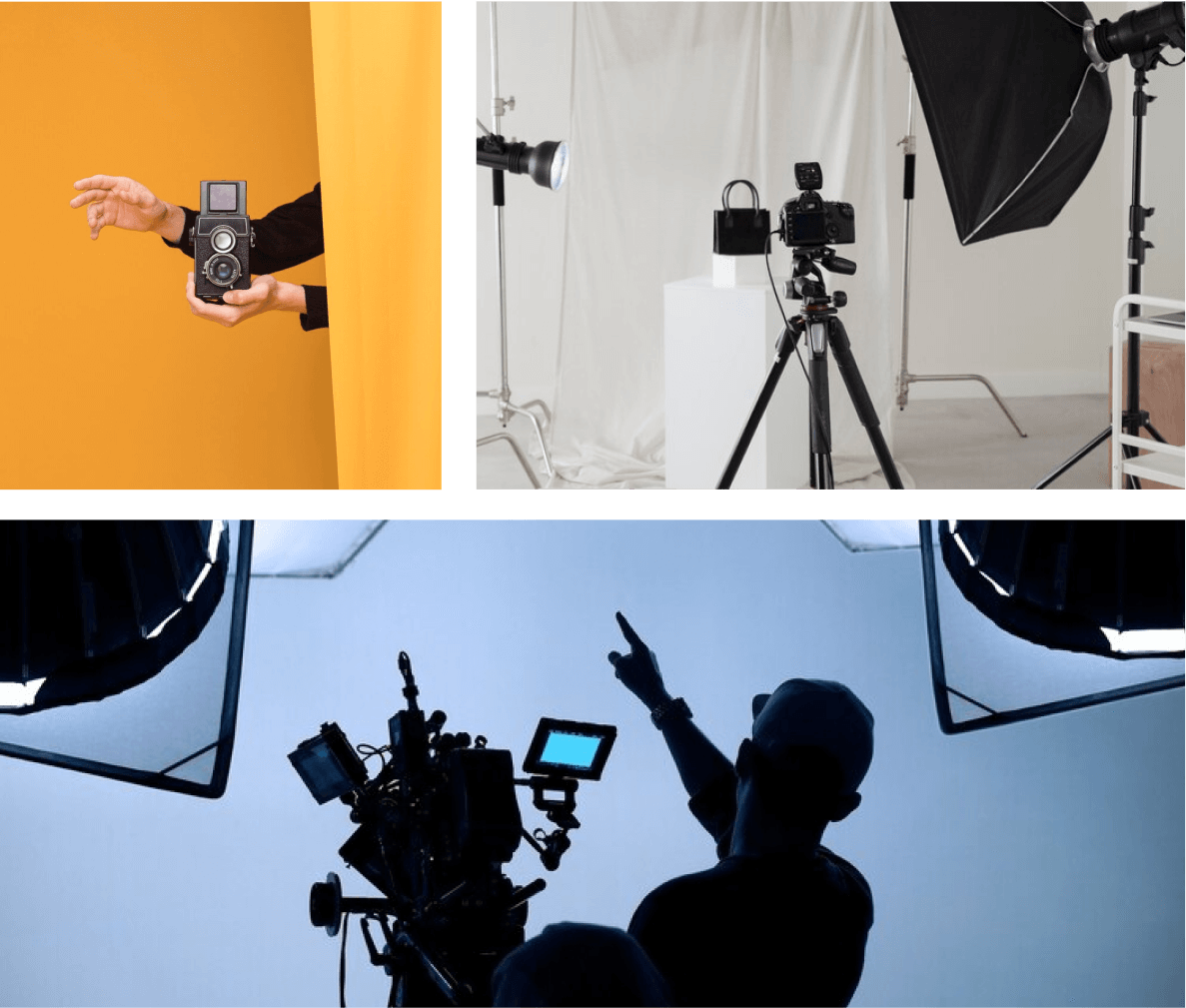
It’s all well and good explaining to you why filmmaking can be so effective as an educational tool, but you might well be wondering if there are actually any real life examples of how this works and if it’s benefitted the students in any meaningful way. So, throughout this next section, we’re going to be walking through a few case studies of what can be expected when these types of skills are taught.
Student-Centered Learning Experiences
At Compass Community Collaborative School in Colorado, they’ve implemented a “Say It on Film” class, which is one of the best examples I can find of how student-centered learning is able to thrive through filmmaking.
Basically, this is a class that lets the students create films that delve into various issues like human rights and environmental challenges – for instance, the students might create a documentary on local environmental issues. As a result, the students are able to not only engage with their community more but learn how to view these kinds of issues from multiple different perspectives – this makes the whole learning process much more relevant since it’s got that personal angle, which ultimately means they form a deeper connection with the material and are better engaged in the content they’re creating.


Empowering Voices Through Narrative Filmmaking
Another example that I liked the look of was with a group of students at Crosstown High in Memphis who took to filmmaking as a tool for empowerment throughout the pandemic. One notable student there, Paul Coffield, found solace in creating films that addressed things like urban sprawl and environmental science.
This not only gave Coffield an opportunity to stay engaged and productive during remote learning – a time where many students were simply just half-heartedly attending Zoom meetings and reading through powerpoints as their primary source of education – but also to use filmmaking to express some of his thoughts about his community.
Because of this, Coffield was no longer just another name with the webcam turned off and his microphone muted in a Zoom meeting but someone who now actually has a voice and a sense of agency.
I suppose the lesson we can take from this is how narrative projects can be a powerful means for students to engage in meaningful discourse and learn practically.


Building Confidence and Resilience Through Video Production Projects
Our last example here comes from Elizabethton High in Tennessee, where the adaptation of the drama curriculum to include filmmaking projects has been a significant success. Again, this example takes place during the pandemic, when social distancing constraints meant that traditional plays in front of live audiences were no longer feasible.
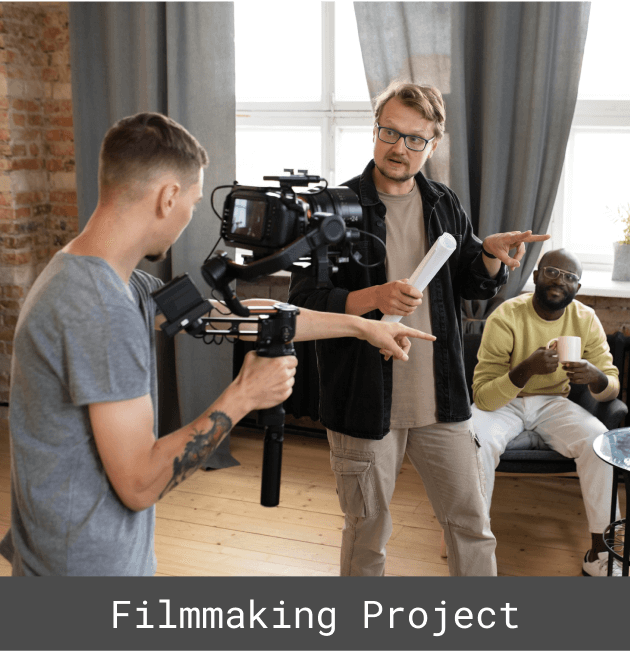
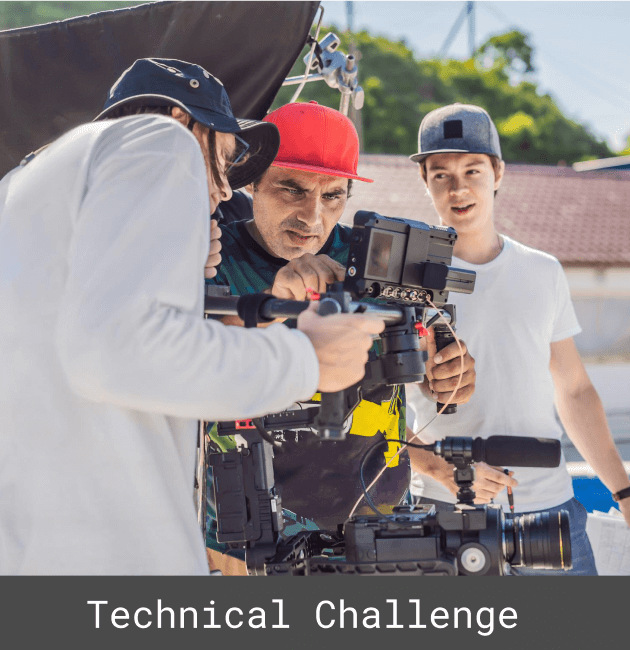
As a result, the drama teacher, Megan Foster, shifted focus to film production, which gave the students a new medium to express their creativity and tell a story. These kinds of filmmaking projects gave the students a chance to tackle technical and creative challenges – whether it’s a short film that explored a fictional narrative or learning how they can manage project timelines together as a team.
Incorporating
Filmmaking into
Educational Settings
Unleashing Creativity
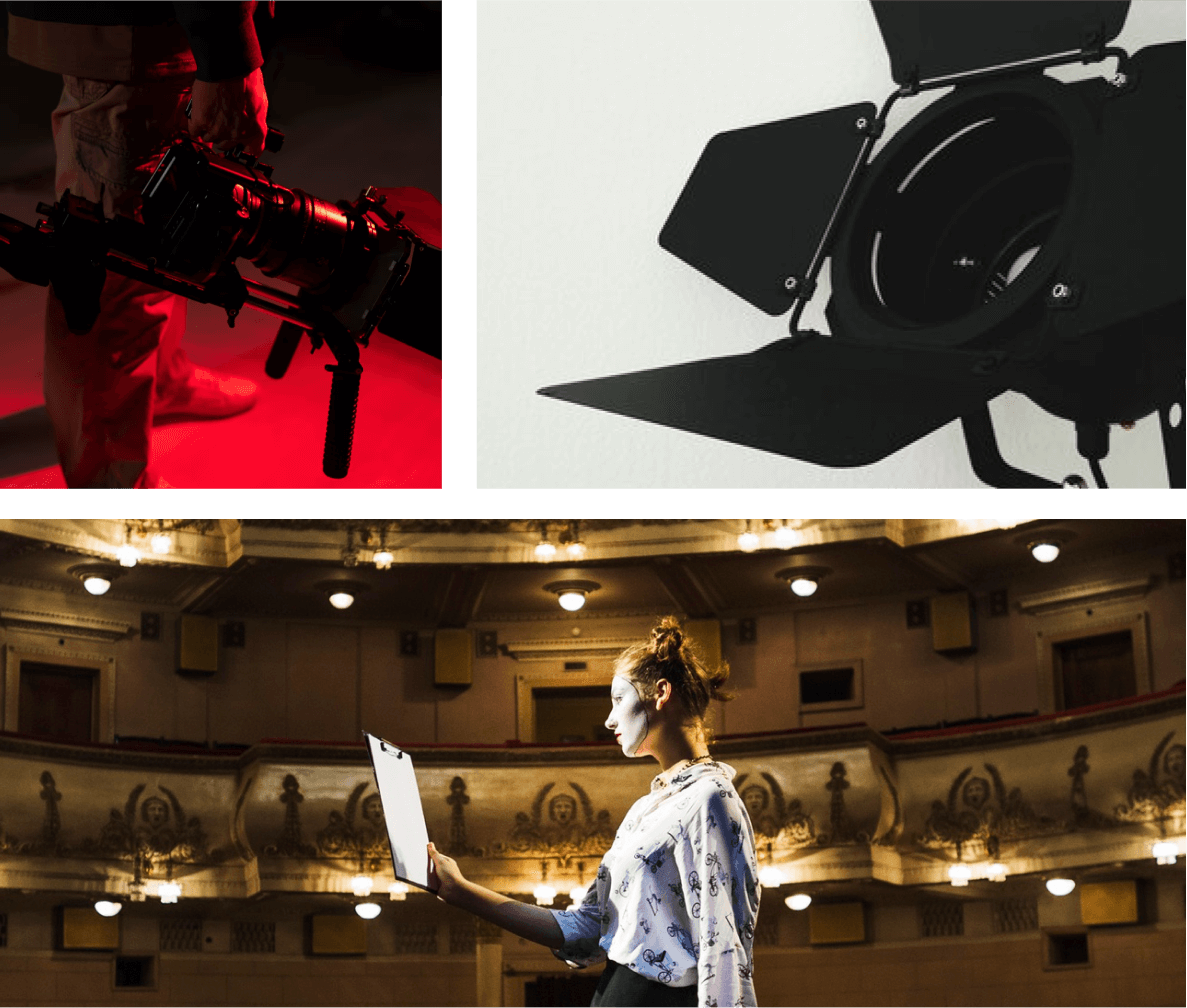
So, now that we’ve seen a few examples of how filmmaking classes look like when they’re implemented into schools and the kinds of impacts they have on the students, how can teachers and schools go about actually incorporating them into lessons?



We saw with one of the previous examples how they were implemented into drama classes during the pandemic when a live audience couldn’t be present, but now that we’re back in a covid-free era, should filmmaking have its own specific class, especially given the amount of resources needed to make it viable?
Curriculum Integration
and Lesson Planning
Actually integrating filmmaking into the curriculum is going to take a lot more planning than the quick thinking displayed by Megan Foster in the previous example of Elizabethton High.

Fortunately, though, filmmaking doesn’t strictly need to be its own course in the student’s timetable; it can be incorporated into a variety of different subjects – from history and literature to science and social studies.

History

Literature

Science

Social Studies
Using those examples we just listed, you can imagine the students creating things such as:
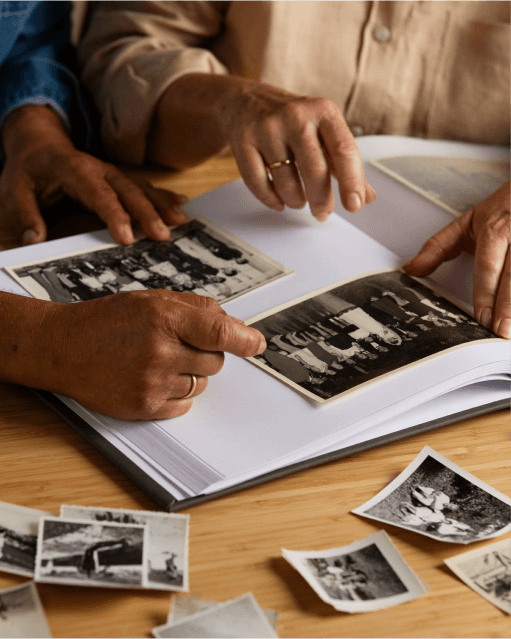
Historical Documentaries
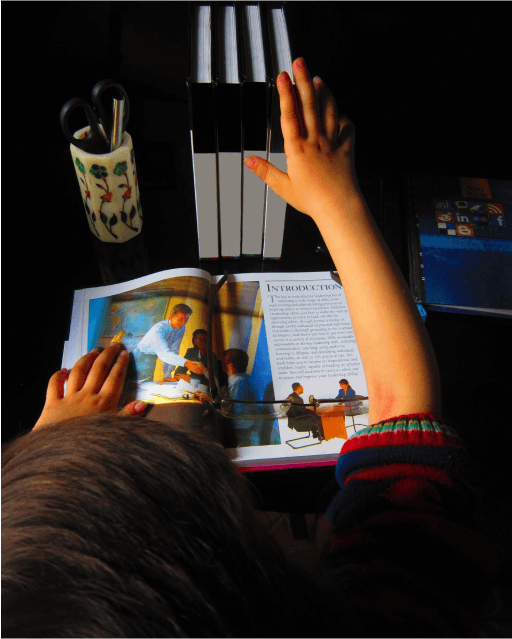
Film Adaptations Of Literary Works
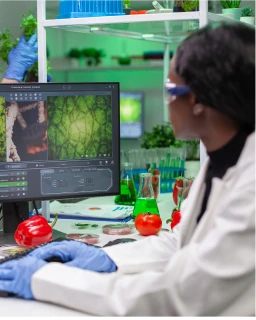
Science Explainer Videos

Social Issue Documentaries
Once the teachers have the overall concepts down and the students are on board with it, they just need to be provided with a lesson plan that includes things like objectives, timelines, and assessment criteria.
Accessible Tools and
Resources for Video
Creation
Expensive Equipments
Now, one of the biggest concerns people might have about the realistic implementation of filmmaking classes is the cost aspect, since video cameras and other sorts of studio requirements are certainly not cheap – especially for schools in poor economic areas that don’t receive too much funding for this sort of thing.
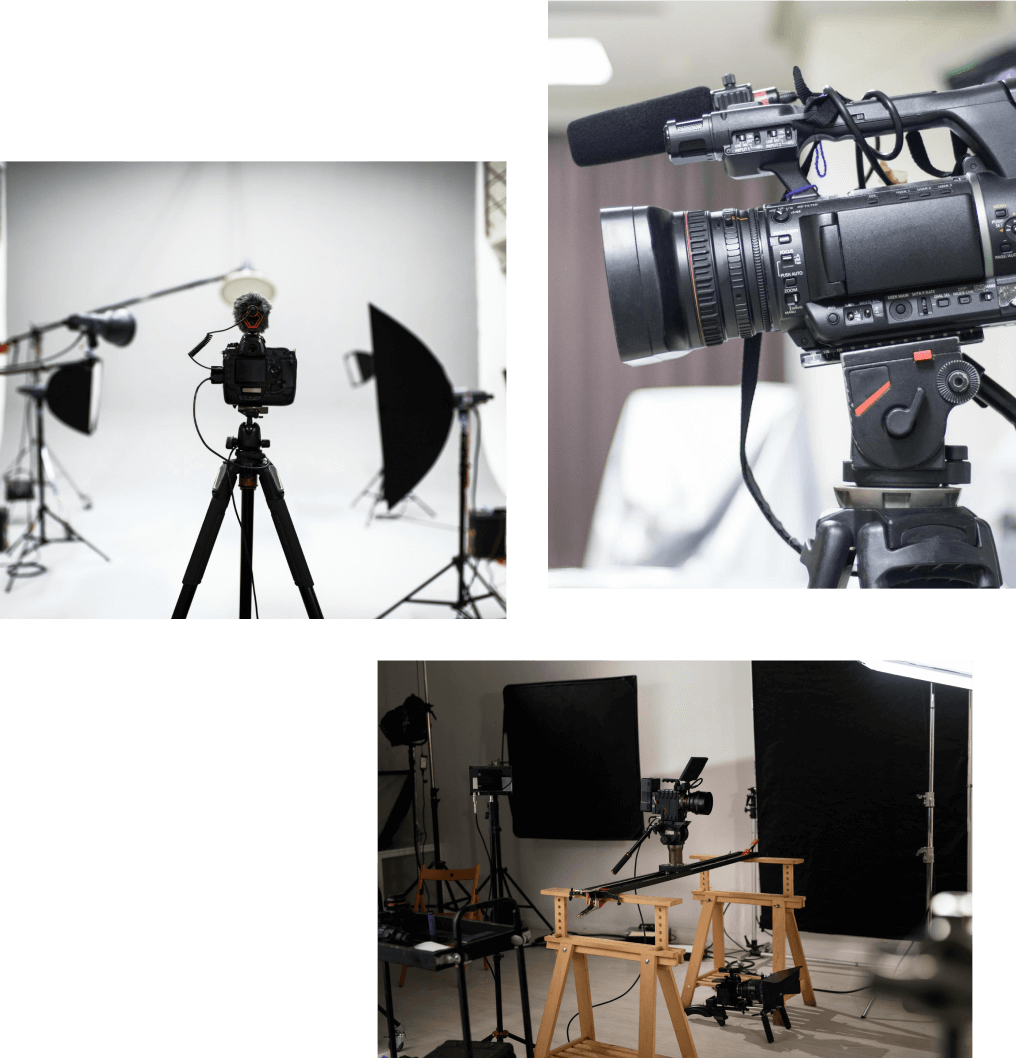

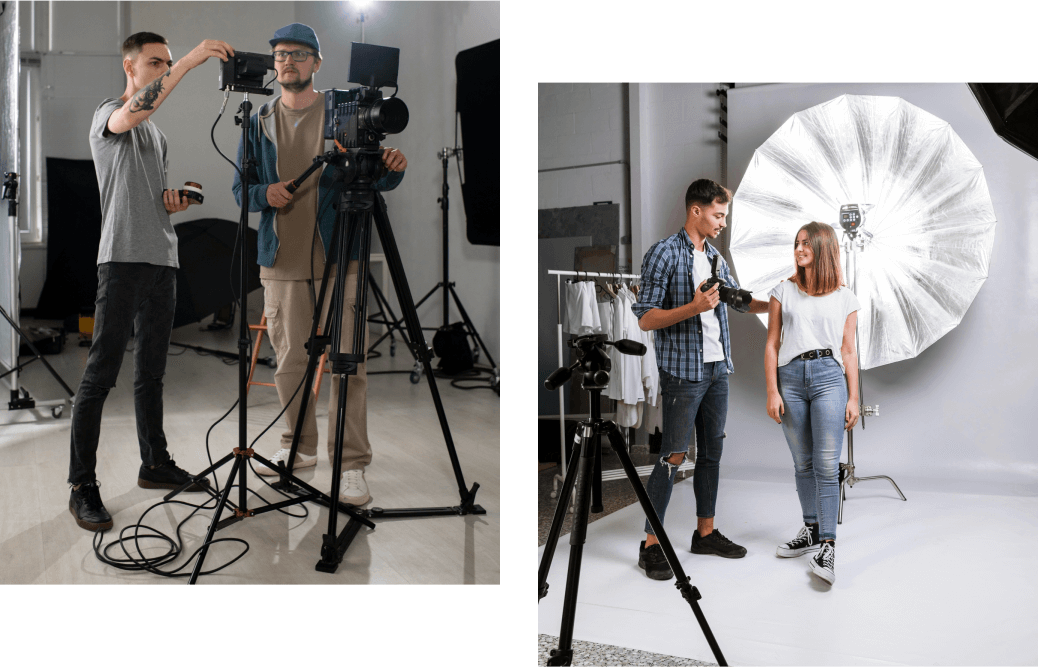
Those professional recording tools might be something that’s better off left to dedicated filmmaking schools and universities, but at the classroom level in high schools, these students don’t need to be a young Martin Scorcese.

Affordable Video Production for Students
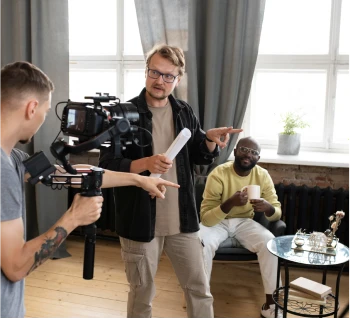
Instead, you can just start cheaply by using basic equipment like smartphones or tablets, which many of the students are already likely to have access to. From there, plenty of low-cost or even free editing software – whether it’s iMovie, Windows Movie Maker, or other online platforms like WeVideo – can then be used for video production.

Filmmaking Tutorials for Schools
What’s more, there are plenty of online tutorials and resources that can help both students and teachers develop the necessary filmmaking skills that are needed, which is why it’s important for schools to make sure these tools are readily available and easy to use in order to make filmmaking a feasible educational activity.
Teacher Training and
Professional Development
Opportunities
Following on from that previous point, in order to effectively integrate filmmaking into education, the teachers are naturally going to need to be equipped with the necessary skills and knowledge.
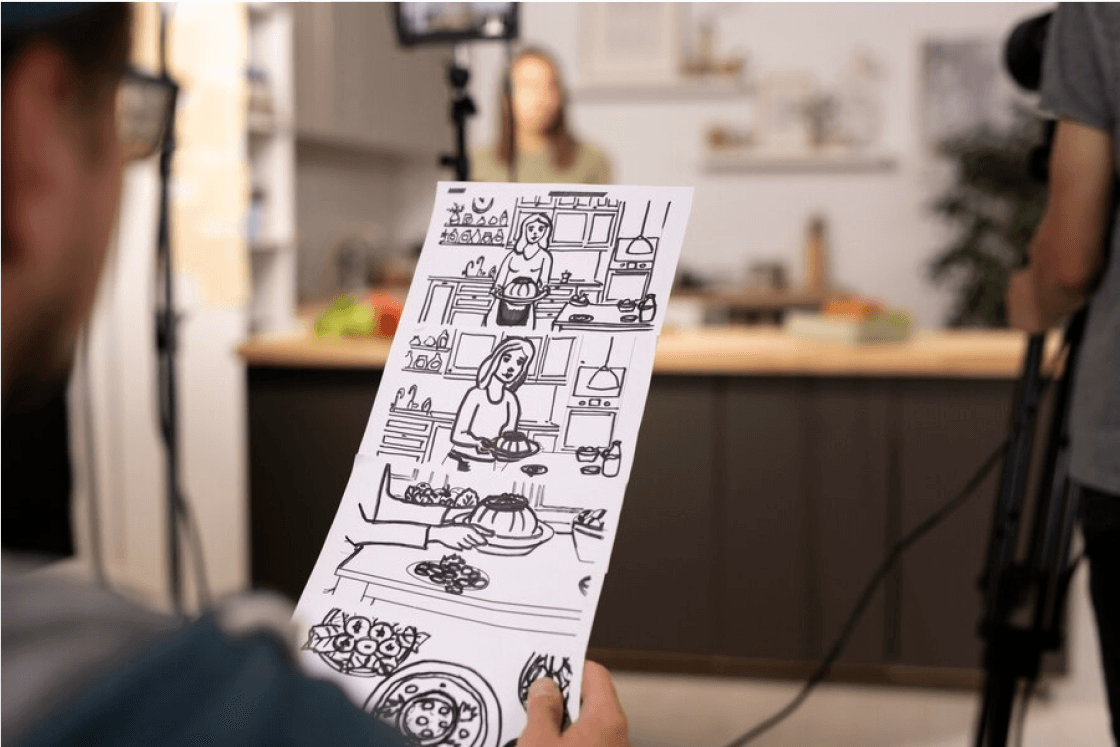
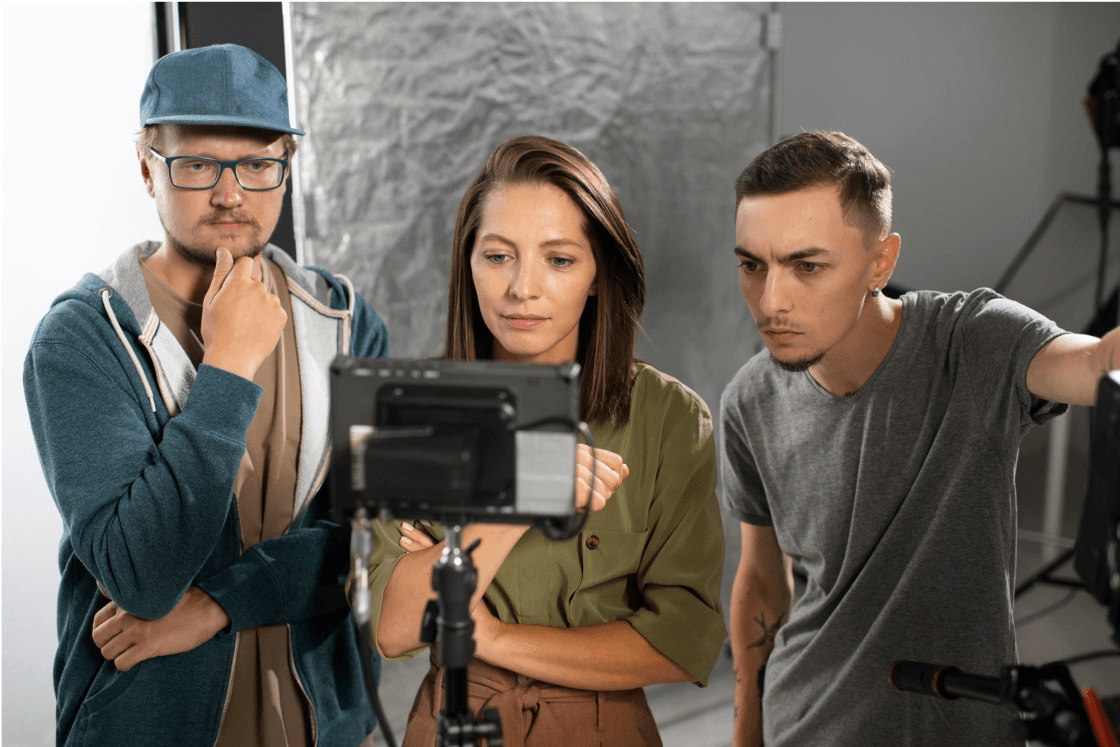
Fortunately, there are a bunch of professional development opportunities – whether it’s a workshop, course, or collaborative project – that the teachers can use to learn about filmmaking techniques and how to incorporate them into their teaching.
It’s best that this kind of training also covers things like classroom management strategies for film projects and ways they can support student creativity. So, a little bit of investment from the school is definitely needed here, but as shown in the equipment that can be used, it really doesn’t have to be anything too expensive for it to have an impact on the students.
The Role of Digital
Storytelling in Remote
and Hybrid Learning
Unleashing Creativity
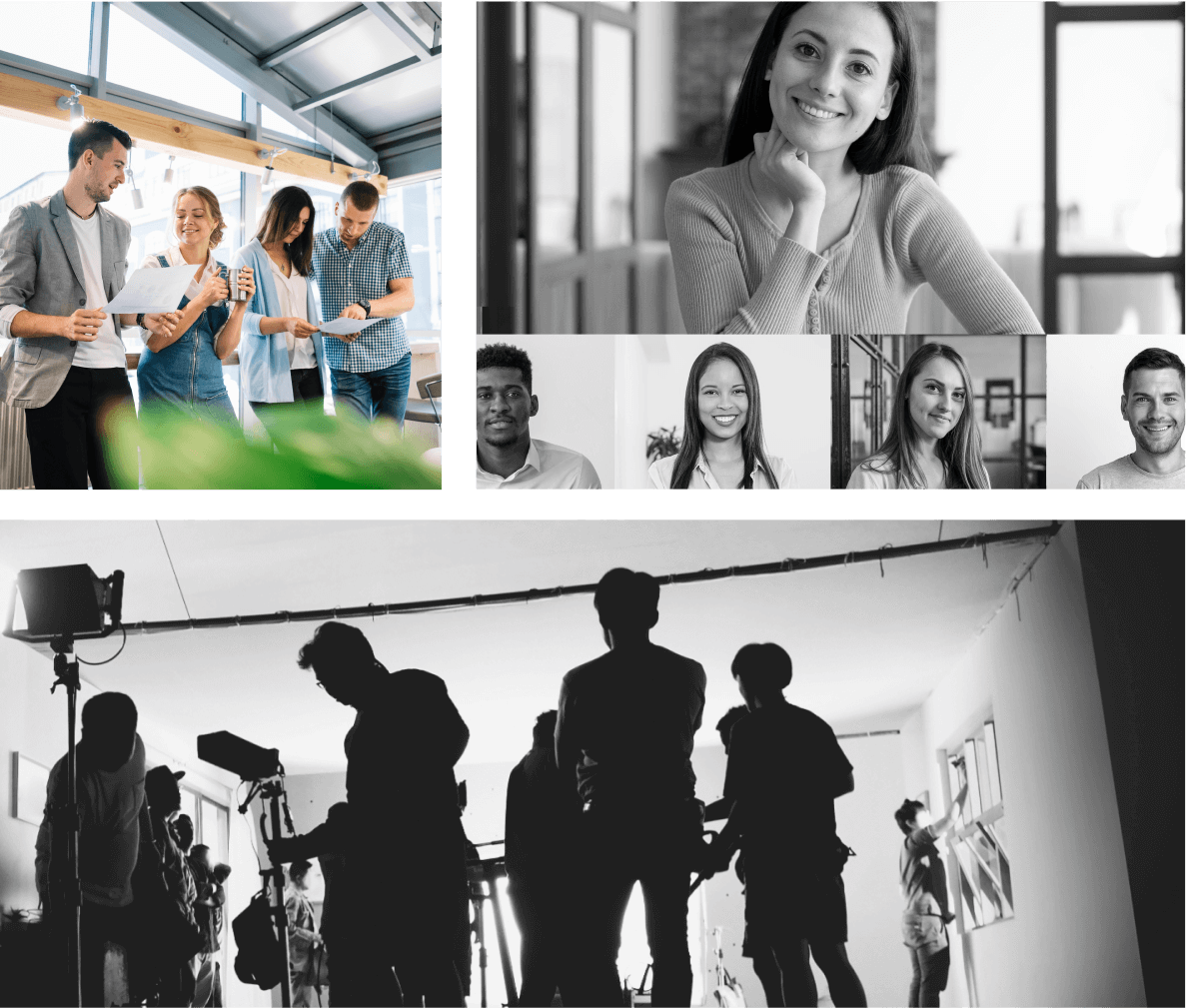
As touched on in the previous examples, filmmaking in schools definitely became a bit more popular throughout the pandemic a few years ago as there was a general need to make learning more engaging than just attending an hour-long Zoom meeting.
Overcoming Challenges
and Harnessing
Opportunities
remote and hybrid learning
That shift to remote and hybrid learning that I just mentioned not only caused massive issues for educators who were no longer able to plan practical lesson plans but also for the students since their education became less and less engaging.
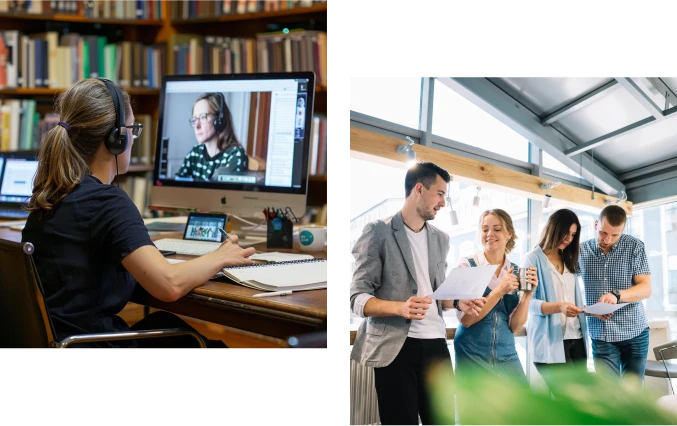
digital storytelling
through filmmaking
Having said that, digital storytelling through filmmaking definitely provided an opportunity to overcome some of these obstacles, as getting the students to engage in creative projects – again, other than attending meetings and writing lengthy essays – meant they participated a lot more in the work they’d been assigned.

work on digital tools
from home during
COVID-19
One of the more underrated parts of this is that filmmaking is fairly adaptable, too, whether the students are working independently or in small groups. Furthermore, the digital tools I mentioned in the previous section – iMovie, Windows Movie Maker, and the like – are all software that they can gain access to from home. This means they don’t actually have to be in a classroom or lecture hall to continue learning, which naturally made it ideal for work during COVID-19.
Virtual Collaboration
and Remote Filmmaking
Techniques
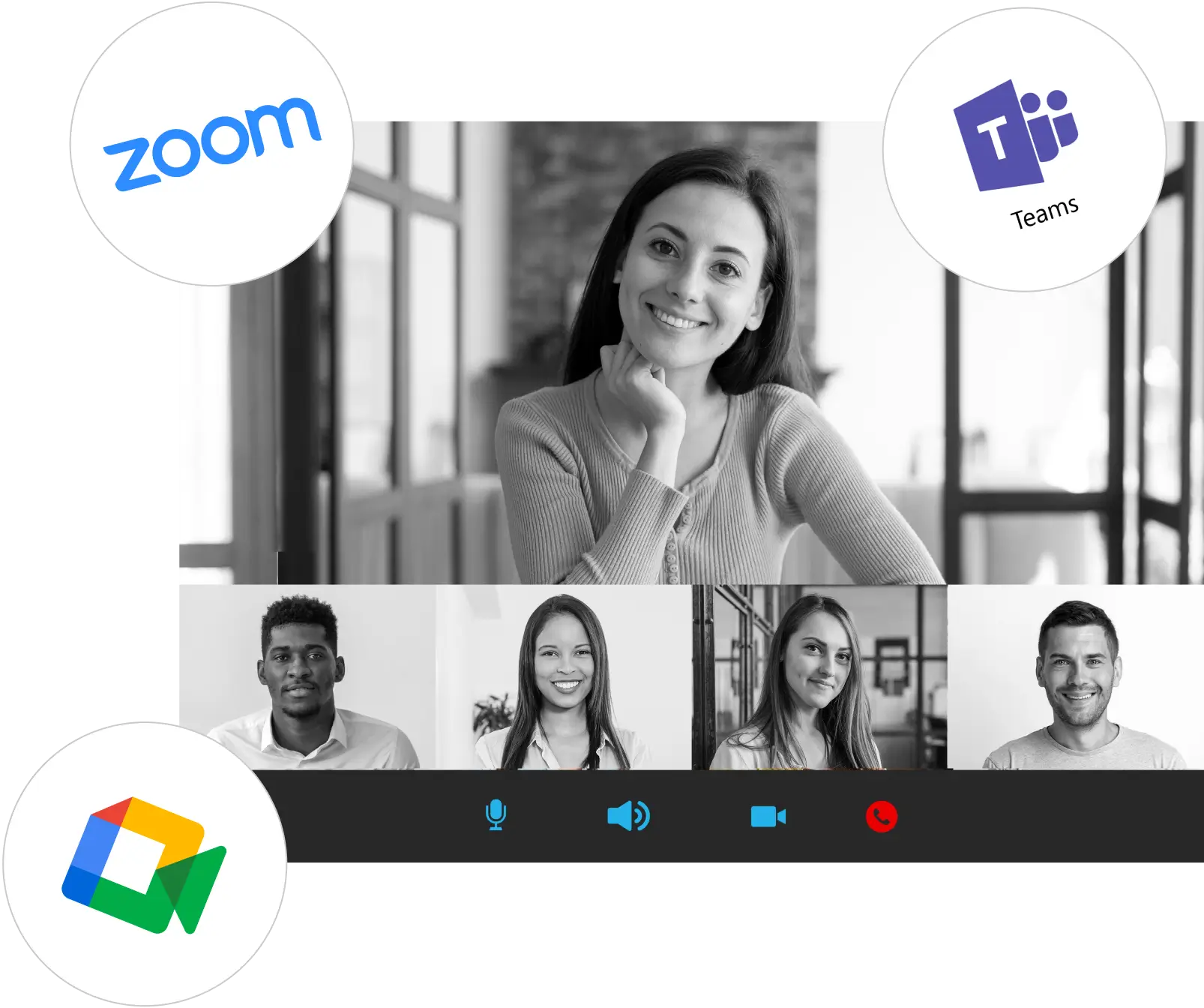
If they’re not going to be meeting up and discussing things like students normally would in a classroom or café, they’re obviously still going to need some form of virtual collaboration. Fortunately, this is where lots of those online platforms that they’ve had to get used to – Zoom, Google Meet, or Microsoft Teams, for instance – can be leveraged if they need to brainstorm, plan, or even just review their projects together.
That’s not all, though, since there are a range of other cloud-based tools, like Google Drive, and collaborative editing software like Adobe Premiere Pro or WeVideo that are perfect for remote co-editing and file sharing.
Now, it goes without saying that these aren’t the most ideal options as people would always rather be chatting about this sort of stuff face-to-face, but as far as it being the next best thing goes, those tools I just mentioned are genuinely excellent alternatives.
Addressing Equity and
Inclusion in Digital
Media Production
It’s also worth mentioning here how ensuring equity and inclusion in digital media production is also important – no more so than when the students are working in a remote learning setting.
The tools I’ve been mentioning are all good and well in theory, but the reality is that it’s ludicrous to make the students pay for some of the more expensive ones – the Adobe Premiere Pro subscriptions, for instance. That’s not even considering how not every student is going to have equal access to technology and high-speed internet.
Essential Resources for Affordable Filmmaking Classes
As such, it’s up to the schools and educators to provide the necessary resources to make filmmaking classes possible. I’ve already mentioned how they don’t need to break the bank with a bunch of fancy video cameras and microphones, but there’s definitely some equipment – even just small stipends for reliable internet access – that should be provided to make this realistic.

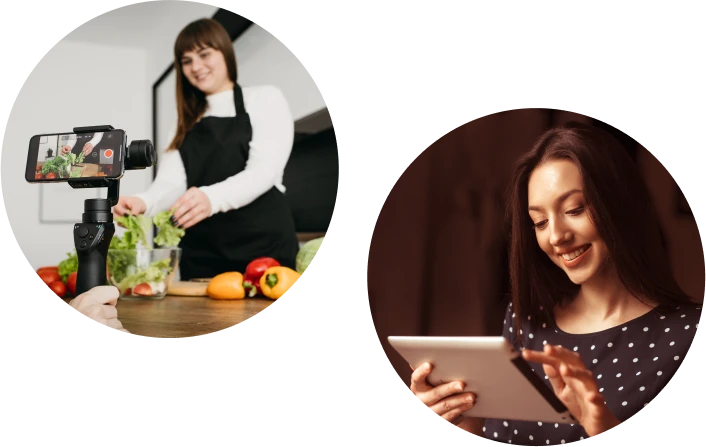
Fortunately, we can generally assume that most of the students are comfortable enough when it comes to using the camera on their phones or tablets, but the majority of them are going to be unfamiliar with digital tools and editing software – thus making some kind of training or support to give them a hand imperative.
Lastly, in order to make digital storytelling accessible for every student, there are also a few inclusive practices that can be employed, whether it’s using subtitles for those who are hard of hearing or ensuring accessibility to digital content.
Assessing
the Impact of
Filmmaking on
Learning Outcomes
Unleashing Creativity
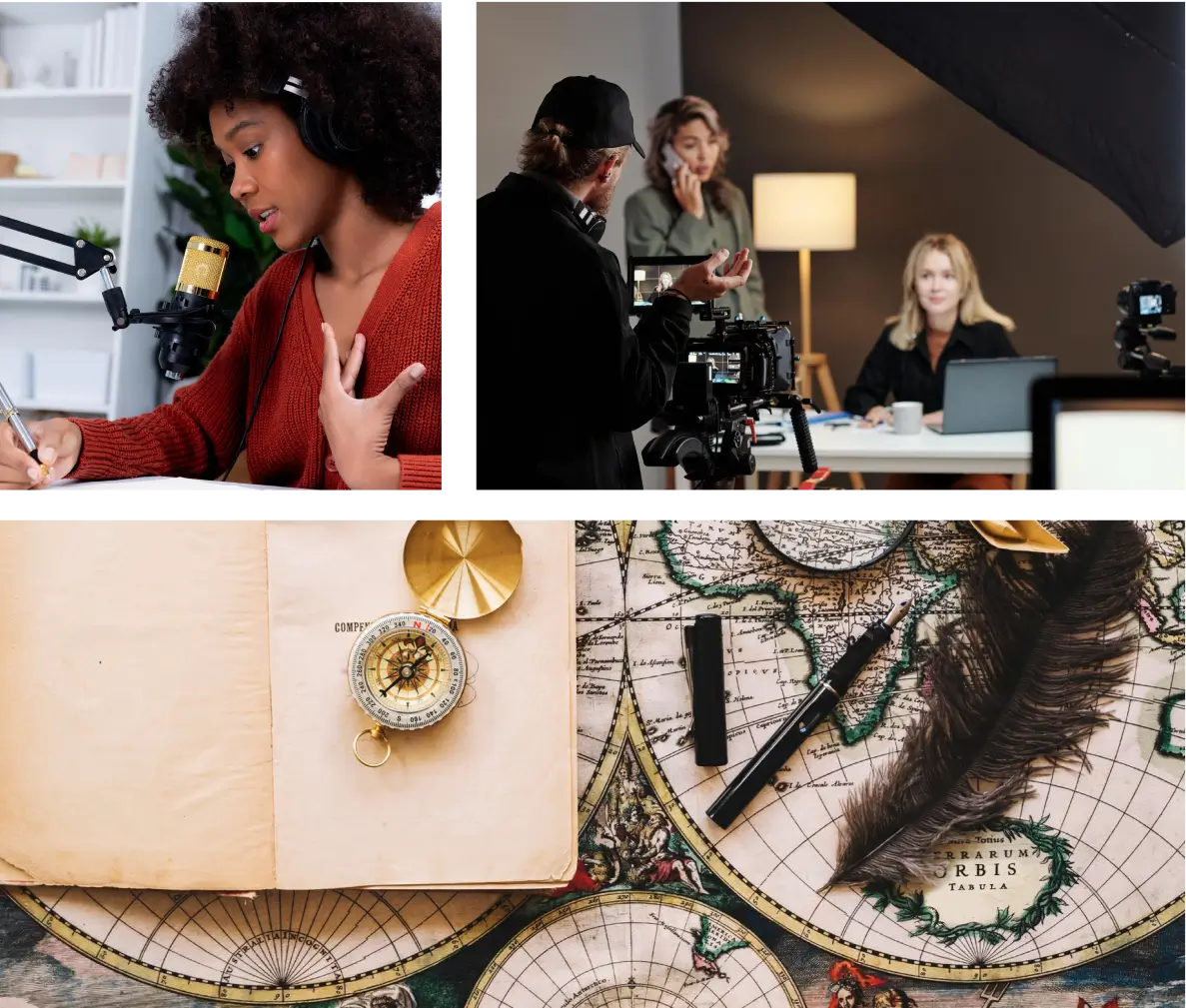
One thing that’s not up for debate is that filmmaking classes are probably one of the most engaging and practical classes a student will take during their time in school or college – having said that, is it actually worth implementing this sort of thing into educational institutions in the long run?
Evaluating Student
Engagement and
Motivation
So, one of the main ways you can determine how successful filmmaking is in an educational setting is by the level of student engagement and motivation.
Engaging Students Through Personalized Filmmaking Projects
Now, the general topic or theme might still be something the teachers are going to need to have a say in – especially if filmmaking is integrated into other lessons like Science or History but
One of the best ways of getting the students engaged is by allowing them to work on projects that interest them in particular, as this will naturally boost their overall enthusiasm for learning.

Then, the educators are able to assess how engaged they are through things like:
Observation
Simply look at how enthusiastic the students are about participating in these sorts of exercises, because there’s a chance some of the less artistically-inclined students are going to be mopey about this sort of thing and would prefer being challenged in some other way.

Student Feedback
If not by simply observing how keen the students are to learn about filmmaking, you can always just ask them how much they like participating in this sort of thing – you could literally just ask them individually, but a better way could be making them fill out a short form where they can rate their enjoyment (possibly versus other exercises unrelated to filmmaking to see how they compare).

Participation Rates
As with a lot of group projects in schools, there are plenty of students who would way rather be working independently by getting their head down and writing something or completing other tasks – as such, this often leads to the bulk of the work being spearheaded by one or two individuals in the group. So, if the students are split up into groups, I recommend monitoring the effort and participation levels coming from each student – are they all contributing equal parts, or is it one person doing everything?

Measuring Growth in
Creativity and Critical
Thinking Skills
One of the lesser appreciated things about filmmaking is how it can improve the students’ critical thinking skills and creativity.
Monitoring Creativity
In Student Films
The teachers themselves can monitor this by examining how original and innovative the students’ films are – like if the students appear to be creating something that’s actually inspired rather than just following the brief you gave them to the bare minimum. This might include:
01
How the students are developing their stories?
02
How they create characters and possibly attach a backstory/lore to them?
03
How they incorporate visual and auditory elements into their work?
As for the critical thinking side, you can assess this sort of thing by observing the student’s ability to plan, solve problems, and generally make thoughtful decisions throughout the whole filmmaking process.
Long-Term Benefits and
Career Pathways in Media
Arts
Fortunately, the kinds of skills these students can learn through filmmaking projects tend to come with long-term benefits that extend well beyond the classroom since the experience they gain in things like media production, storytelling, and digital literacy, in general, opens up a range of career paths in the media arts.

SURVEY & FOLLOW UP
If educators want to see if filmmaking classes in their schools actually have an impact on student’s career choices and aspirations, they can always send out alumni surveys or follow-up studies.

Future
Directions and
Opportunities
Unleashing Creativity
We’ve touched on how filmmaking in school is still a relatively new thing, but the kinds of technologies and digital tools that have been referenced throughout this article are generally becoming more and more advanced. As a result, there’s a lot of new resources and tasks that educators are going to need to implement into their filmmaking curriculum.
Exploring Emerging
Technologies and Trends
in Filmmaking
Keeping Curricula Updated with Trends
Again, new trends and technologies in this field are emerging on a regular basis, so it’s the educators’ job to stay informed about these kinds of developments so that their curricula are always relevant.
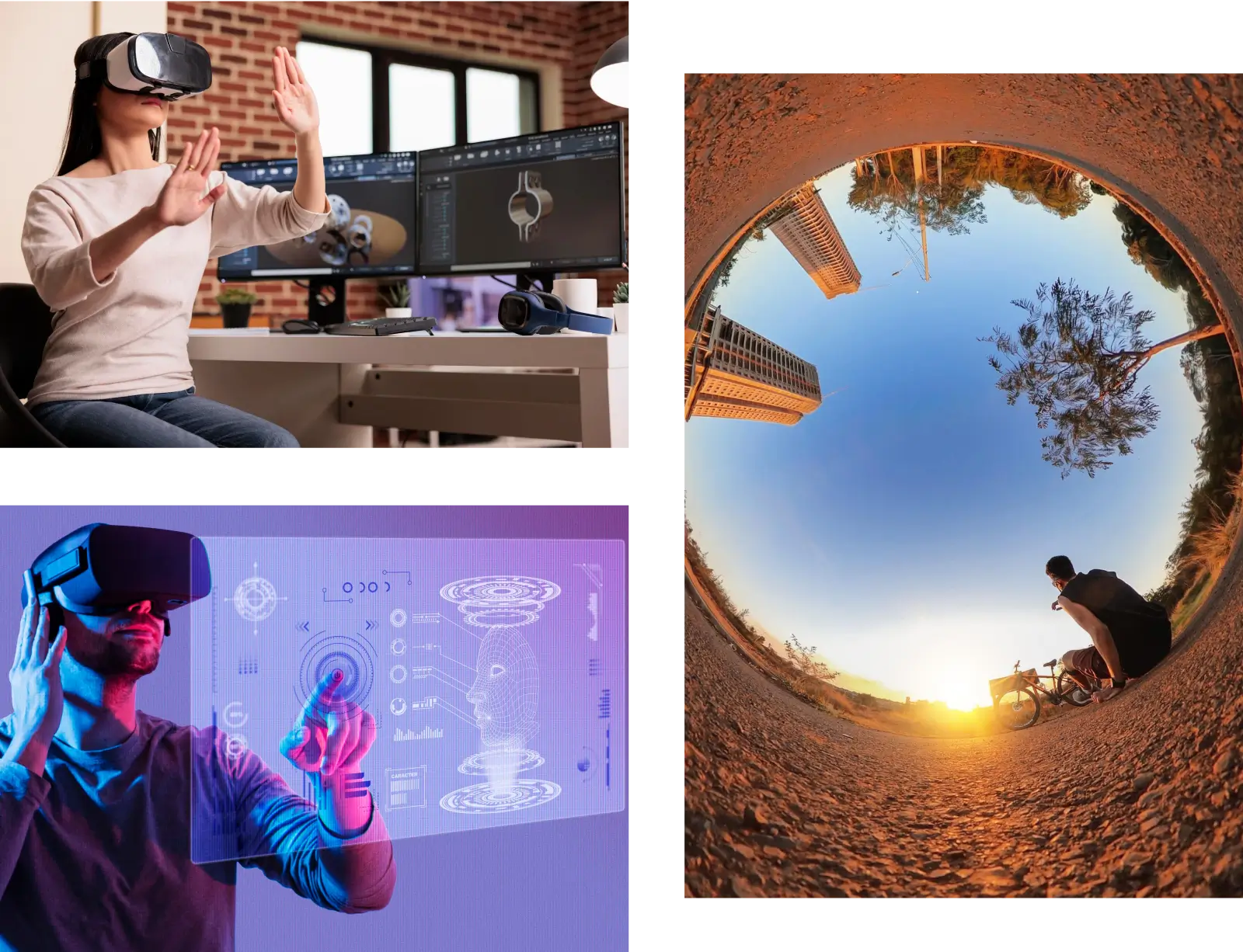
Exposure to Advanced Filmmaking Tools
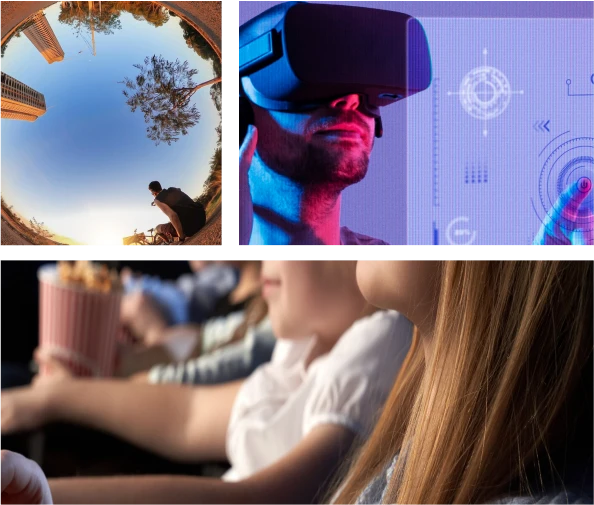
Virtual reality (VR), augmented reality (AR), and 360-degree video, for example, are just a few of the innovative tools that can be integrated into filmmaking projects. You’d never want the students to be using some archaic tools and technologies throughout their education, so although these kinds of tools are naturally pretty expensive, it’s important they’re at least getting some exposure to them in order to have more cutting-edge skills.
Advocating for Continued
Support and Funding for
Media Arts Education
Now, to actually sustain and ultimately expand some of the benefits of filmmaking in education, it’s imperative that the students are given continuous support and the educators have the necessary funding to do this.
Advocating for Media Arts Education
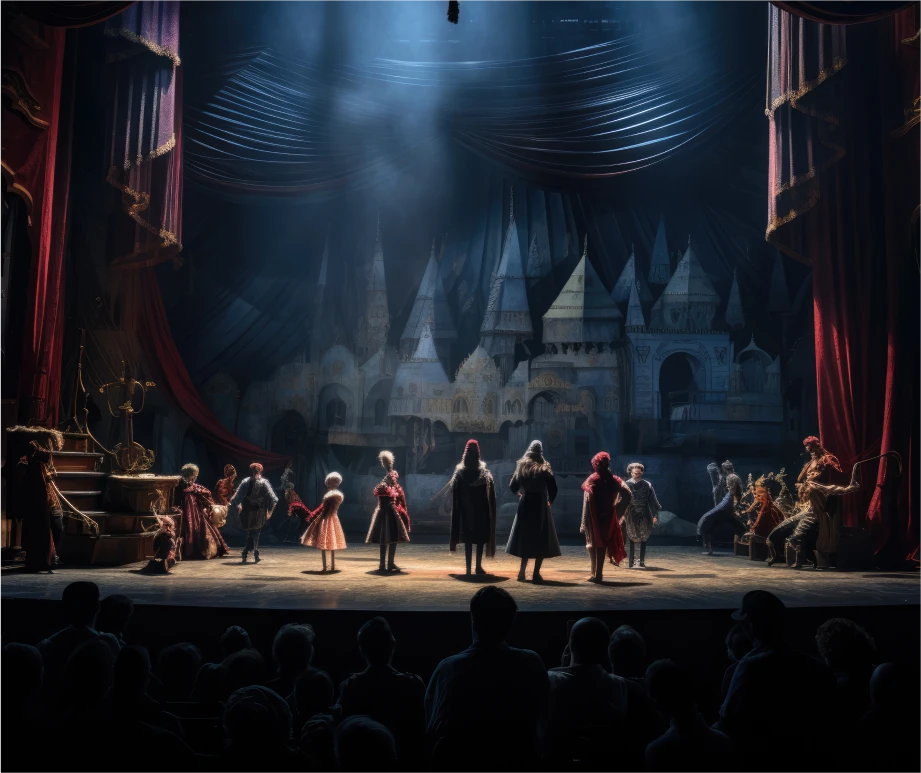
Beyond STEM for Student Engagement & Career Readiness
That’s not the easiest thing to achieve, but educators and parents alike can definitely advocate for media arts education by highlighting some of the impact it’s had on both student engagement, creativity and career readiness in general – obviously, we shouldn’t forget that there’s absolutely some merit in these sorts of skills and STEM subjects aren’t the only things students should be learning.
The media literacy angle of filmmaking education is another good one to advocate for here, especially with the growing importance of this as we become more and more internet-focused and need to discern credible information from disinformation.
Inspiring the Next
Generation of Filmmakers
and Digital Storytellers
The best way of doing this is by providing the students with all the tools, guidance, and opportunities to explore their interests that they can get – this way, educators can properly nurture young talents and encourage them to pursue careers in media arts rather than only sending them down the STEM path.
filmmaking inspiration
Of course, there are plenty of ways to inspire these students to continue their creative journeys, but some of the best ways are simple things like:

Celebrating Student Achievements
+
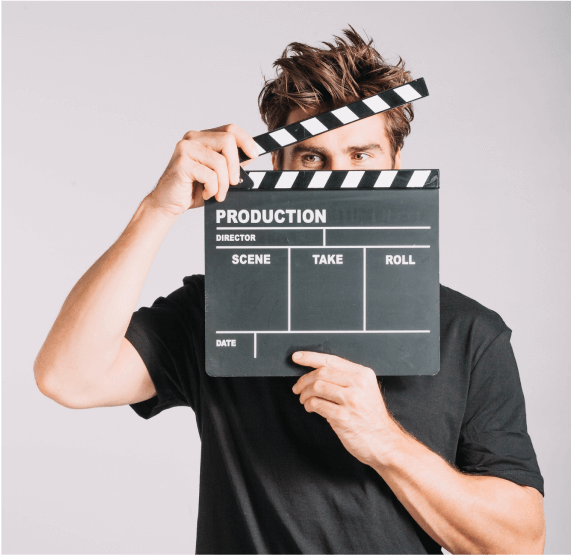
Showcasing Their Work
+
Connecting Them With Industry Professionals
Conclusion
Unleashing Creativity
Transforming Education Through Digital Storytelling
To wrap things up, it’s absolutely crucial for us to recognize how digital storytelling, namely through filmmaking, has the power to transform education and make learning a far more engaging and interactive process – we simply must get out of this view that the only way to learn is by handing the kids a resource packet and notebook and scoring them out of 100; it’s archaic and wastes so much creative potential.
By integrating filmmaking into the curriculum, educators can provide students with a bunch of valuable experiences – the ones we’ve mentioned throughout this article such as team skills and organization, for instance – that’ll prepare them for the future.
Furthermore, if nothing else, empowering the youth to share their stories and perspectives through filmmaking gives them a voice and a platform to express themselves, as shown in the examples we mentioned earlier in various high schools across the country. Whether it’s through improved confidence, creativity, or critical thinking skills, that’ll ultimately give students a sense of self-expression that will have lasting benefits.
There are obviously going to be a few roadblocks along the way that’ll inhibit how widely implemented filmmaking courses are in schools across the United States – mostly cost-related issues (even though we’ve also talked about ways this can be done very affordably) that some of the more low-budget schools aren’t going to be able to justify – but I hope this article has shined some light on some of the major benefits that could be expected with filmmaking education.